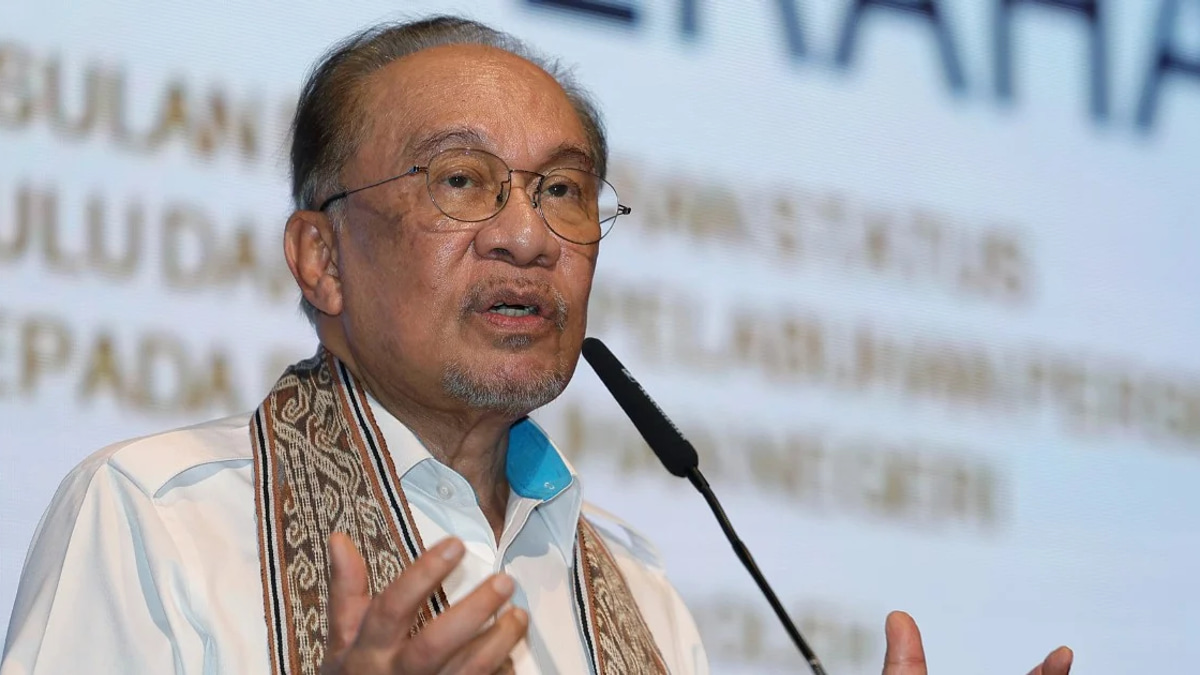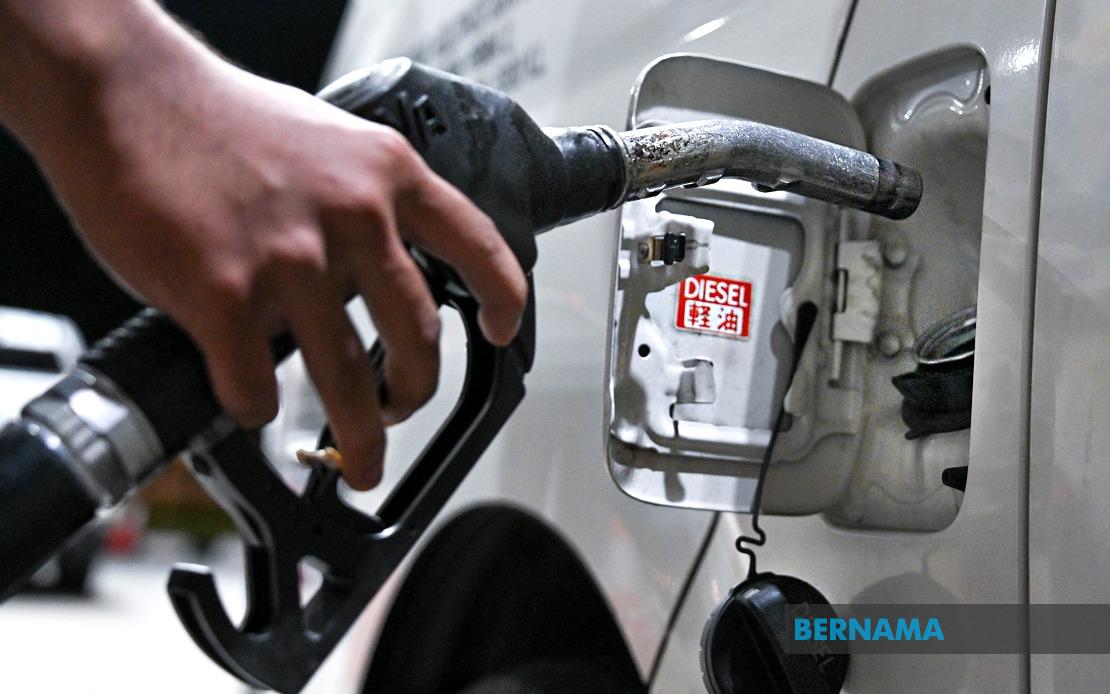
The Malaysian government has announced a significant reduction in subsidised diesel pricing, bringing the price down to RM2.10 per litre beginning in July 2026. Prime Minister Datuk Seri Anwar Ibrahim unveiled the policy, which represents a shift towards more targeted and equitable fuel assistance for Malaysian citizens. The announcement comes as welcome news for transport operators, traders, and small-scale business owners who depend heavily on diesel for their daily operations, offering concrete relief amid persistent inflation in operating costs.
The new subsidised rate will operate under a verification mechanism similar to the BUDI MADANI RON95 (BUDI95) programme, whereby Malaysian citizens can access the reduced price through MyKad identification. This targeting approach represents a deliberate policy adjustment aimed at channelling government fuel subsidies to those who genuinely require them for livelihood purposes, rather than allowing universal access that may benefit affluent households or commercial enterprises not dependent on fuel for core business operations. The Ministry of Finance has indicated that Second Finance Minister Datuk Seri Amir Hamzah Azizan will provide comprehensive implementation details, though questions remain regarding the administrative efficiency of the verification process.
For small business operators throughout Malaysia, the diesel price reduction promises tangible cost savings. Mohd Faizal Ahmad, a night market trader from Shah Alam, expressed optimism that the measure would substantially reduce his operating expenses while ensuring subsidies reach deserving recipients. His concerns about the simplicity and convenience of MyKad verification reflect broader industry anxieties—while the targeting mechanism appears sound in principle, implementation challenges could undermine accessibility for legitimate users. Small contractors like Tan Chee Keong from Johor Bahru, who operate vehicles for maintenance work and materials delivery, similarly view the policy positively, though they stress the importance of preventing subsidy abuse through effective verification systems.
The agricultural sector stands to benefit considerably from this pricing adjustment. Vegetable farm operators such as R. Mageswaran from Sungai Siput, Perak, rely on frequent transport of produce to markets and eateries, making fuel costs a significant operational expense. Lower diesel prices directly translate to reduced logistics costs and potentially higher profit margins for small-scale agricultural businesses. This sector, which contributes substantially to Malaysia's food security and rural employment, has long faced margin pressures from transportation costs. The subsidy reduction may help stabilise pricing for consumers while improving viability for producers.
A critical aspect of this policy involves harmonising diesel pricing across Malaysia's diverse geography. Currently, Sabah and Sarawak benefit from subsidised diesel at RM2.15 per litre, substantially lower than the unsubsidised Peninsular Malaysia rate of RM4.37 per litre—a disparity reflecting historical regional pricing arrangements and supply chain differences. The new uniform RM2.10 rate will apply nationwide, including Sabah, Sarawak, and Labuan, theoretically creating consistency while addressing regional equity concerns. This standardisation could have implications for business competitiveness across regions, particularly for Peninsular Malaysian operators who previously faced higher input costs.
The MyKad verification system underpinning this subsidy reform echoes the BUDI95 petrol subsidy programme introduced earlier. That scheme successfully limited RON95 petrol subsidies to Malaysian citizens while maintaining market prices for premium fuels, though implementation revealed implementation complexities at petrol stations nationwide. Similar logistical challenges may emerge with diesel verification, particularly at smaller stations in rural areas where technological infrastructure remains limited. The government's success in executing this programme smoothly will substantially influence public confidence in future targeted subsidy mechanisms.
From a macroeconomic perspective, this targeted subsidy approach reflects broader fiscal discipline within Malaysia's MADANI framework. Rather than sustaining blanket fuel subsidies that benefit all consumers regardless of actual need, the government is attempting to concentrate assistance on specific groups—small businesses, traders, and agricultural operators whose livelihoods depend directly on fuel consumption. This represents a departure from universal subsidy models and aligns with international best practice in subsidy targeting. However, such systems require robust administrative capacity and transparent communication to maintain public acceptance.
The timing of this announcement carries significance for Malaysia's business community heading into the second half of 2026. Traders and operators can begin planning with greater certainty regarding fuel costs, potentially enabling more stable pricing for their goods and services. For sectors like logistics, agriculture, and small-scale commerce, the price reduction could improve competitiveness relative to more capital-intensive competitors. Conversely, businesses dependent on imported diesel or those unable to access the MyKad subsidy mechanism may face relative disadvantage, raising questions about equity across business categories.
The diesel subsidy cut must be understood within Malaysia's broader energy and fiscal strategy. Petroleum subsidy bills have historically consumed substantial government resources, constraining funding available for education, healthcare, and infrastructure. Targeted subsidies allow the government to provide meaningful support to vulnerable groups and essential sectors while improving fiscal sustainability. However, success depends on execution—poorly implemented verification systems could exclude genuine users, creating public dissatisfaction and potentially forcing policy reversal. The government's communication strategy and willingness to address implementation challenges will prove crucial in determining whether this reform achieves its stated objectives of equitable and efficient subsidy distribution across Malaysia's diverse economy.
%22%2F%3E%3C%2Fpattern%3E%3C%2Fdefs%3E%3Crect%20width%3D%22100%25%22%20height%3D%22100%25%22%20fill%3D%22url(%23ph3lvh1g)%22%2F%3E%3Crect%20width%3D%22100%25%22%20height%3D%22100%25%22%20fill%3D%22url(%23ph3lvh1p)%22%2F%3E%3Ctext%20x%3D%2250%25%22%20y%3D%2250%25%22%20text-anchor%3D%22middle%22%20dominant-baseline%3D%22central%22%20fill%3D%22rgba(255%2C255%2C255%2C0.95)%22%20font-family%3D%22Georgia%2C%20'Times%20New%20Roman'%2C%20serif%22%20font-weight%3D%22700%22%20font-size%3D%22320%22%20letter-spacing%3D%22-0.02em%22%3EPM%3C%2Ftext%3E%3C%2Fsvg%3E)