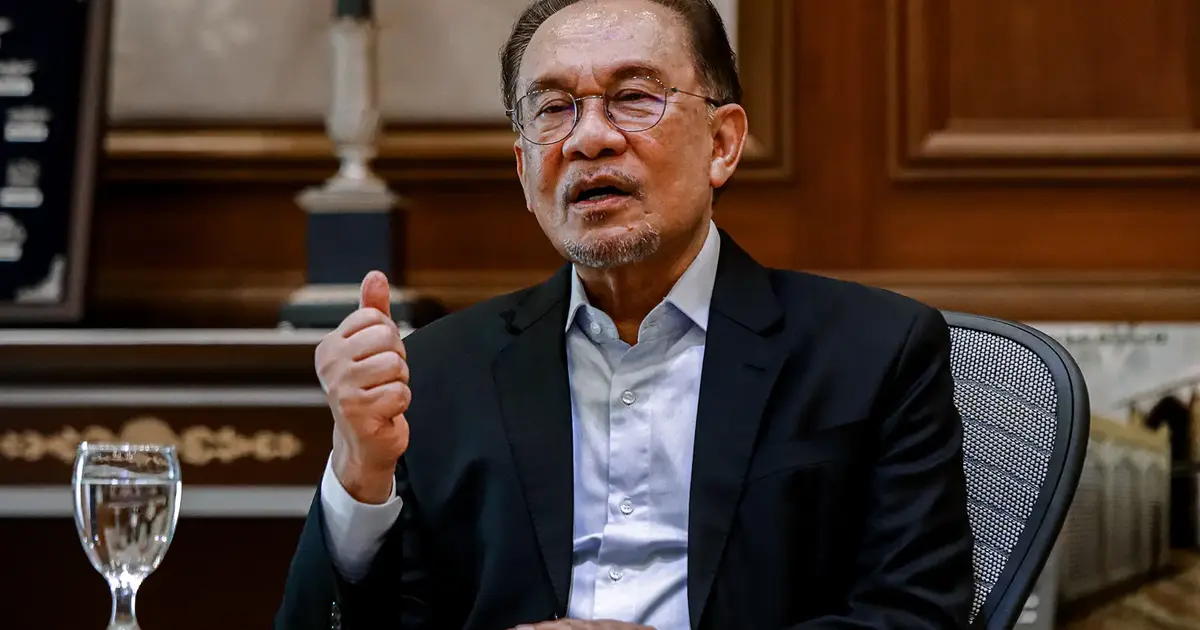
Prime Minister Anwar Ibrahim has drawn a line in the sand regarding how developing nations expect to be treated by European powers, declaring that Malaysia and other Global South countries will actively resist unfair conduct and pursue alternative pathways when faced with unjust actions. His remarks signal a hardening stance on diplomatic equity and reflect broader frustrations among emerging economies over what they perceive as double standards in international relations.
Anwar's comments gain particular resonance given Malaysia's ongoing defence-related dispute with Norway, a situation he specifically referenced as emblematic of the challenges facing developing nations in their dealings with established Western economies. The dispute underscores tensions over how resource-rich countries and those with strategic interests are treated differently depending on geopolitical alignment and economic leverage. By elevating this bilateral disagreement to a broader principle about fairness in international conduct, the Prime Minister is repositioning Malaysia as a vocal advocate for equitable treatment within global forums.
The Malaysia-Norway conflict appears rooted in differing positions on defence matters or possibly weapons-related policies, though the specifics remain diplomatically veiled in public discourse. What matters from Anwar's perspective is not merely resolving this particular dispute but establishing a precedent that developing nations will not passively accept European dictates or conditions imposed unilaterally. This reflects a shift toward assertiveness that Malaysian policymakers believe is necessary in an increasingly multipolar world.
For Malaysia specifically, the willingness to seek alternative solutions when European partners prove obstructive signals a pragmatic reorientation of foreign policy. Rather than remaining dependent on Western frameworks or accepting unfavourable terms to maintain good relations, the government is signalling openness to partnerships and arrangements outside traditional Euro-American structures. This approach aligns with Malaysia's broader strategic diversification, which includes strengthening ties with regional powers and non-Western nations.
Anwar's rhetoric also taps into genuine grievances held across the developing world about asymmetric power dynamics in international relations. Wealthy European nations, protected by institutional frameworks like the European Union and NATO, often set standards and conditions that smaller or less economically developed countries find difficult to refuse. When these standards appear selectively applied or designed to serve European interests rather than genuine universal principles, resentment builds. Malaysia's willingness to articulate this frustration gives voice to similar sentiments across Southeast Asia and the broader Global South.
The statement comes at a time when developing nations are increasingly seeking greater autonomy in decision-making on matters affecting their sovereignty and interests. Malaysia, as one of Southeast Asia's more influential economies and a voice within the Non-Aligned Movement, carries particular weight when articulating these positions. Anwar's comments are likely to resonate with counterparts in Indonesia, Vietnam, Thailand, and other regional nations that similarly bristle at perceived European overreach or condescension.
From a practical standpoint, the search for alternative solutions to the Norway dispute might encompass diplomatic channels outside traditional Western-dominated institutions, engagement with other defence-focused partners, or multilateral forums where developing nations hold greater collective influence. This could include leveraging ASEAN mechanisms, engaging with other major powers, or pursuing bilateral negotiations that bypass European intermediaries. The underlying message is that Malaysia possesses options and will not be cornered into accepting unfavourable terms.
The Prime Minister's statements also carry implications for how Malaysia navigates ongoing trade, investment, and security discussions with European entities. If European partners wish to maintain good relations and access to Malaysian markets or strategic cooperation, they will need to demonstrate respect for Malaysian sovereignty and interests. This represents a recalibration of relationship expectations that some European policymakers may find challenging, accustomed as they are to greater deference from developing nations.
Within Southeast Asia, Anwar's positioning may also influence how regional governments approach their own European relationships. If Malaysia successfully pursues alternative solutions without significant economic or diplomatic penalty, it may encourage other nations to similarly resist terms they find inequitable. This could gradually shift the balance of power in bilateral European-Southeast Asian relations, making European engagement with the region more transactional and less based on assumed compliance.
The broader context includes persistent concerns among developing nations about environmental standards, labour conditions, and governance requirements often imposed as preconditions for trade or aid. While these standards may have merit, many developing-world leaders perceive them as imposed burdens that wealthy nations avoided when building their own economies. Anwar's statements can be read as pushback against this framework, asserting that Malaysia and others will evaluate such demands critically rather than accepting them as universal obligations.
Looking forward, the Prime Minister's firm rhetoric may necessitate concrete follow-up actions to maintain credibility. Whether this involves formal policy shifts, institutional realignments, or simply a more assertive negotiating posture in bilateral discussions remains to be seen. What is clear is that Malaysia is signalling a willingness to contest European assumptions about developing-world compliance and to carve out independent policy space based on national interests rather than external expectations.
Ultimately, Anwar's declaration reflects a broader realignment occurring across the Global South, where leaders increasingly view their nations as equal participants in international affairs rather than subordinate recipients of dictated terms. For Malaysia and its neighbours, this shift toward demanding fair treatment and maintaining strategic autonomy represents both an assertion of dignity and a practical response to a multipolar world where alternatives to Western engagement genuinely exist.