%22%2F%3E%3C%2Fpattern%3E%3C%2Fdefs%3E%3Crect%20width%3D%22100%25%22%20height%3D%22100%25%22%20fill%3D%22url(%23phebuqg)%22%2F%3E%3Crect%20width%3D%22100%25%22%20height%3D%22100%25%22%20fill%3D%22url(%23phebuqp)%22%2F%3E%3Ctext%20x%3D%2250%25%22%20y%3D%2250%25%22%20text-anchor%3D%22middle%22%20dominant-baseline%3D%22central%22%20fill%3D%22rgba(255%2C255%2C255%2C0.95)%22%20font-family%3D%22Georgia%2C%20'Times%20New%20Roman'%2C%20serif%22%20font-weight%3D%22700%22%20font-size%3D%22170%22%20letter-spacing%3D%22-0.02em%22%3EMalaysia%3C%2Ftext%3E%3C%2Fsvg%3E)
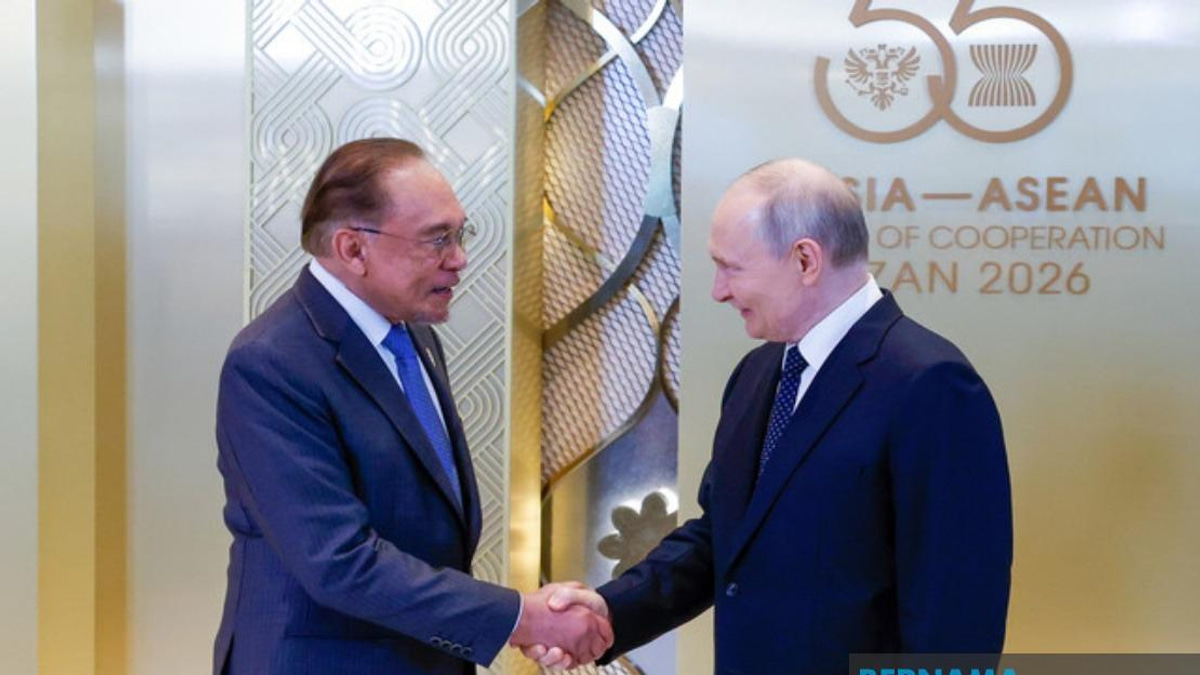
Malaysia has gained strategic access to one of the planet's most substantial untapped gas reserves through a landmark agreement with Turkmenistan, a development that Prime Minister Anwar Ibrahim attributes directly to the country's principled approach of maintaining equidistant relationships with major powers. Speaking in Seberang Perai on June 20, Anwar underscored how Malaysia's reputation for neutrality and balanced diplomacy has become a tangible economic asset, enabling the nation to forge partnerships across diverse geopolitical camps without triggering the suspicions or retaliations that plague more openly aligned states.
The Turkmenistan gas sector represents one of the world's most strategically valuable energy frontiers, holding reserves that rank among the largest globally and offering enormous potential for export revenues and economic leverage. For Malaysia, historically dependent on hydrocarbon imports to fuel its industrial economy and power generation, this agreement opens pathways to secure long-term energy supplies at potentially favourable terms. The deal reflects broader anxieties across Southeast Asia regarding energy security, particularly as regional economies accelerate growth and grapple with the complexities of the global energy transition. By diversifying sources beyond the Middle East and regional suppliers, Malaysia reduces vulnerability to supply disruptions and price volatility that could destabilise its economy.
Anwar's framing of this success as a vindication of Malaysia's non-aligned foreign policy carries deeper significance for the region's evolving geopolitical architecture. At a moment when great powers increasingly demand explicit commitments and exclusive partnerships, Malaysia's ability to maintain cordial relations across competing blocs—engaging substantively with the United States, China, Russia, and Middle Eastern powers simultaneously—has become genuinely distinctive. This posture, rooted in Malaysia's founding principles and articulated through frameworks like ASEAN centrality and the broader non-aligned movement, has proven diplomatically generative rather than merely passive. Turkmenistan, itself a Central Asian state navigating complex relationships with neighbouring powers and seeking reliable international partners, evidently views Malaysia as a trustworthy counterparty unlikely to weaponise energy partnerships for geopolitical leverage.
The timing of the announcement carries particular weight given the current global energy environment. Western sanctions on Russian energy have reshaped global supply chains and elevated the strategic importance of alternative sources. Simultaneously, the accelerating transition to renewable energy has created temporary volatility in fossil fuel markets, making long-term procurement agreements increasingly valuable for energy-importing nations. Malaysia's move to lock in access to Turkmen gas demonstrates sophisticated strategic planning, recognising that energy security remains foundational to economic resilience even as the world transitions toward cleaner power.
For Southeast Asia more broadly, Malaysia's successful negotiation illustrates how smaller and medium-sized powers can leverage diplomatic skill and principled positioning to punch above their weight in major-power competition. ASEAN nations collectively face intense pressure to choose sides in the US-China rivalry and related great-power contests. Malaysia's example suggests an alternative pathway: by maintaining genuine strategic autonomy and refusing coercive alignment, regional states can actually expand their options and negotiating leverage. This principle extends beyond energy to infrastructure, technology, and security arrangements, offering a model that neighbouring countries including Indonesia, Vietnam, and Thailand have studied with considerable interest.
The practical implications for Malaysia's energy sector warrant careful consideration. Securing Turkmen gas supplies will require substantial downstream infrastructure investments, including potential liquefied natural gas regasification terminals and pipeline connections. The agreement may also create opportunities for Malaysian companies to participate in upstream development projects in Turkmenistan, generating employment and technical expertise transfer. Energy security improvements could also moderately reduce Malaysia's import bills and provide stability for energy-intensive industries including petrochemicals, aluminium smelting, and electronics manufacturing—sectors that anchor significant portions of Malaysia's industrial base and export earnings.
However, the strategic benefits extend even further into Malaysia's diplomatic architecture. Successfully concluding energy partnerships with Central Asian states enhances Malaysia's profile as a consequential player in global energy markets and elevates its standing in international forums. This increased diplomatic capital could facilitate Malaysian objectives across multiple domains, from trade negotiations to security cooperation arrangements. The deal essentially demonstrates that Malaysia's approach—neither subordinate to Western interests nor deferential to Beijing—yields tangible returns that purely aligned countries struggle to achieve.
The Turkmenistan arrangement also situates Malaysia within broader patterns of Southeast Asian energy diplomacy. Vietnam, Thailand, and Indonesia have pursued comparable diversification strategies, though Malaysia's particular achievement here reflects its distinctive diplomatic positioning. Where some Southeast Asian nations navigate between competing pressures more cautiously, Malaysia has articulated a clearer independent identity while maintaining substantive relationships across all major centres of power. This has earned sufficient trust among diverse partners that commercially sensitive energy agreements become feasible.
Looking forward, the success with Turkmenistan may encourage Malaysian policymakers to explore additional energy partnerships across Africa, the Mediterranean, and other regions. The underlying principle—that strategic autonomy and balanced positioning create negotiating advantages—applies well beyond Central Asia. Whether in renewable energy projects, rare earth mineral sourcing, or critical technology partnerships, Malaysia's diplomatic approach offers structural advantages to nations willing to maintain genuine independence rather than gravitating toward exclusive blocs.
Anwar's explicit linkage between foreign policy neutrality and economic outcomes represents a significant articulation of how Malaysia's founding diplomatic principles deliver measurable material benefits. This framing may reshape domestic political conversations about alignment and autonomy, potentially strengthening domestic consensus for maintaining Malaysia's non-aligned trajectory. In an era when smaller powers face mounting pressure to choose sides, Malaysia's demonstration that strategic independence can yield concrete economic gains offers both domestic political vindication and regional diplomatic inspiration.

%22%2F%3E%3C%2Fpattern%3E%3C%2Fdefs%3E%3Crect%20width%3D%22100%25%22%20height%3D%22100%25%22%20fill%3D%22url(%23ph2z4zlg)%22%2F%3E%3Crect%20width%3D%22100%25%22%20height%3D%22100%25%22%20fill%3D%22url(%23ph2z4zlp)%22%2F%3E%3Ctext%20x%3D%2250%25%22%20y%3D%2250%25%22%20text-anchor%3D%22middle%22%20dominant-baseline%3D%22central%22%20fill%3D%22rgba(255%2C255%2C255%2C0.95)%22%20font-family%3D%22Georgia%2C%20'Times%20New%20Roman'%2C%20serif%22%20font-weight%3D%22700%22%20font-size%3D%22226%22%20letter-spacing%3D%22-0.02em%22%3EPolice%3C%2Ftext%3E%3C%2Fsvg%3E)