%22%2F%3E%3C%2Fpattern%3E%3C%2Fdefs%3E%3Crect%20width%3D%22100%25%22%20height%3D%22100%25%22%20fill%3D%22url(%23ph2kz80g)%22%2F%3E%3Crect%20width%3D%22100%25%22%20height%3D%22100%25%22%20fill%3D%22url(%23ph2kz80p)%22%2F%3E%3Ctext%20x%3D%2250%25%22%20y%3D%2250%25%22%20text-anchor%3D%22middle%22%20dominant-baseline%3D%22central%22%20fill%3D%22rgba(255%2C255%2C255%2C0.95)%22%20font-family%3D%22Georgia%2C%20'Times%20New%20Roman'%2C%20serif%22%20font-weight%3D%22700%22%20font-size%3D%22170%22%20letter-spacing%3D%22-0.02em%22%3EMalaysia%3C%2Ftext%3E%3C%2Fsvg%3E)
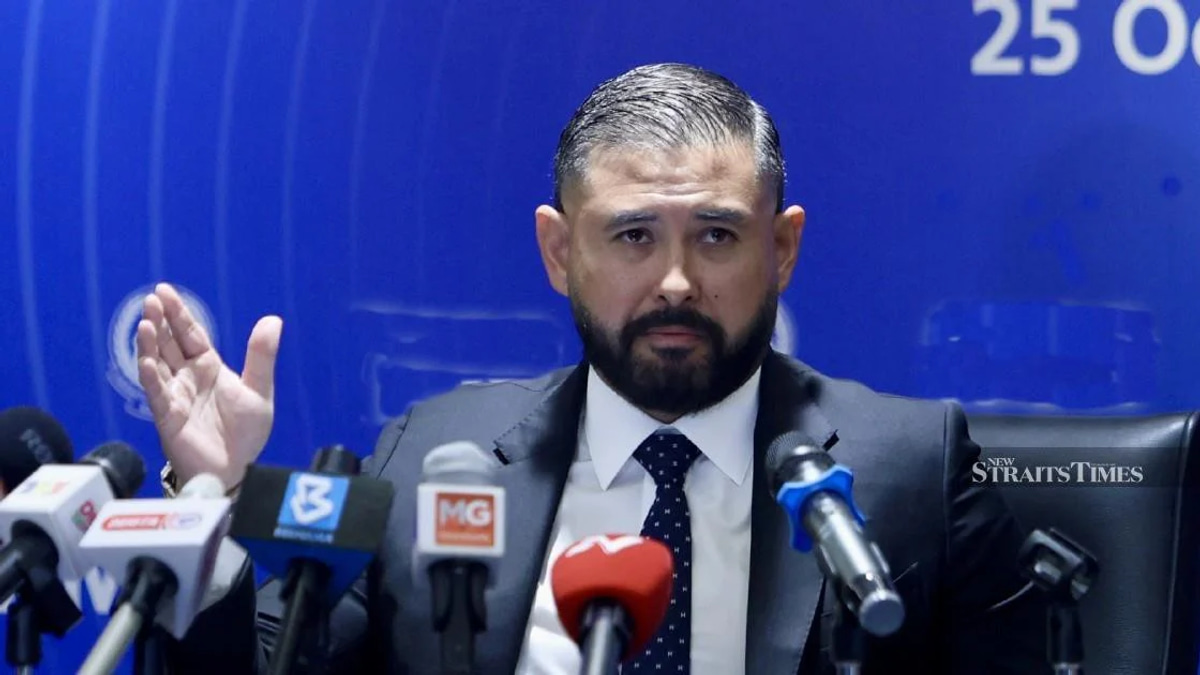
Malaysia's Ministry of Health is moving swiftly to implement a digital medical certificate system as a countermeasure against increasingly sophisticated syndicates trafficking in fraudulent sick leave documents. Health Minister Datuk Seri Dr Dzulkefly Ahmad announced the directive during a media engagement at the Tun Razak Exchange MRT station, where the ministry's Digital Health Division has been tasked with accelerating feasibility studies for the transition to a more resilient, digitally-secured platform for medical certificates issued to patients.
The announcement reflects growing alarm within the healthcare establishment over a systemic vulnerability that has been exploited by organised criminal networks. Most critically, only qualified doctors or medical officers who have personally treated a patient possess the legitimate authority to issue medical certificates—a fundamental ethical boundary that syndicates have been systematically breaching. The Health Minister emphasised that such misconduct represents a grave professional violation that the ministry will never tolerate, underscoring the gravity with which policymakers now view the problem.
The impetus for accelerating the digital transition stems from recent law enforcement actions targeting the illicit medical certificate trade. Five individuals, including a nurse stationed in Pekan, Pahang, were remanded for questioning regarding the sale and distribution of suspected counterfeit medical certificates. More significantly, investigators uncovered the 'holiday master' website syndicate, which has operated systematically since 2016 to fraudulently represent the identities and professional credentials of doctors and private medical clinics. This network's methods reveal the scope of the vulnerability: perpetrators had unlawfully obtained and weaponised the professional registration numbers of legitimate private practitioners for commercial gain.
The sophistication of such syndicates underscores why Malaysia requires institutional-level solutions rather than reactive enforcement. A shift toward e-MC technology would fundamentally alter the landscape by creating cryptographic verification mechanisms, reducing the human and administrative vectors through which forgery currently occurs. Digital certificates could embed verifiable physician credentials directly within the system, making impersonation exponentially more difficult. This technological bulwark aligns with regional and global trends toward health record digitalisation and represents a strategic necessity given the seamless, borderless nature of contemporary organised crime.
Responsibility for investigating the 'holiday master' case and broader professional misconduct rests with the Malaysian Medical Council, which will serve as the lead investigative agency in coordination with law enforcement bodies. The Health Ministry has also committed to conducting an internal audit of data security protocols to identify and remediate any breaches that may have enabled criminals to access or exfiltrate physician identity information. This two-pronged approach—digital system overhaul combined with forensic review of existing vulnerabilities—reflects a comprehensive understanding of where institutional weaknesses lie.
For ordinary Malaysians, the prevalence of fake medical certificates carries significant consequences beyond facilitating workplace absenteeism. When syndicates forge documents bearing the names of legitimate doctors, they compromise public confidence in the medical profession and create legal liability for the healthcare providers whose identities have been stolen. Employers relying on what they believe to be authentic medical documentation may unknowingly accept fraudulent absences, distorting workplace attendance records and organisational planning. Patients themselves may be harmed if a culture of medical certificate fraud normalises avoidance of genuine medical care.
Beyond the immediate crisis of certificate forgery, the Health Minister also addressed a parallel and distinct concern regarding the misuse of artificial intelligence for medical self-diagnosis. Dr Dzulkefly cautioned members of the public against relying on AI-powered diagnostic tools, particularly when evaluating high-risk chronic conditions including cancer and cardiovascular disease. The warning reflects a nuanced policy stance: while acknowledging AI's growing role in healthcare discourse, the minister prioritised patient safety and clinical accuracy as immovable principles that cannot be compromised by technological convenience or cost-cutting impulses.
The appeal for Malaysians to eschew DIY diagnostic approaches powered by artificial intelligence carries particular salience in an era when health information is ubiquitously accessible through digital platforms. Advanced as contemporary AI systems may be, they lack the clinical judgement, contextual patient history, and legal accountability that qualified medical practitioners provide. The Health Minister explicitly urged individuals experiencing health concerns to seek professional consultation without delay, whether through government clinics, public hospitals, or private general practitioners. This straightforward guidance implicitly addresses a healthcare access concern: many Malaysians delay seeking care due to cost, inconvenience, or social stigma, and AI-mediated self-diagnosis risks entrenching such dangerous delays.
The convergence of these two ministerial initiatives—digitising medical certificates whilst cautioning against inappropriate AI deployment in diagnosis—reveals a coherent healthcare governance philosophy. The Health Ministry recognises that technological solutions must be implemented within a framework of professional accountability, ethical practice, and patient welfare. Digital certificates will succeed only if accompanied by robust cybersecurity, data governance, and audit mechanisms. Similarly, AI tools in healthcare can deliver benefits only when used to augment, rather than replace, human professional judgement and direct patient-provider interaction.
Implementing a nationwide e-MC system will require coordination across Malaysia's complex healthcare ecosystem, encompassing government institutions, private practitioners, employers, and regulatory bodies including the Malaysian Medical Council. The transition timeline remains unclear, though the ministry's emphasis on expediting the feasibility study suggests implementation could be pursued within a medium-term horizon. Regional counterparts including Singapore and increasingly other ASEAN nations have progressed toward digital health credentials, positioning Malaysia to learn from their experiences and avoid implementation pitfalls.
The fake certificate syndicate problem also raises questions about broader professional credential verification practices in Malaysia. Beyond medical certificates, similar vulnerabilities may exist in other credential-based systems where digital identity theft or forgery poses risks. The policy attention devoted to this issue may catalyse more comprehensive reviews of how credentials are issued, verified, and protected across multiple professions. In that sense, the Health Ministry's decisive response to fake MC syndicates could establish institutional precedent for more robust credential security across the public service and regulated professions.