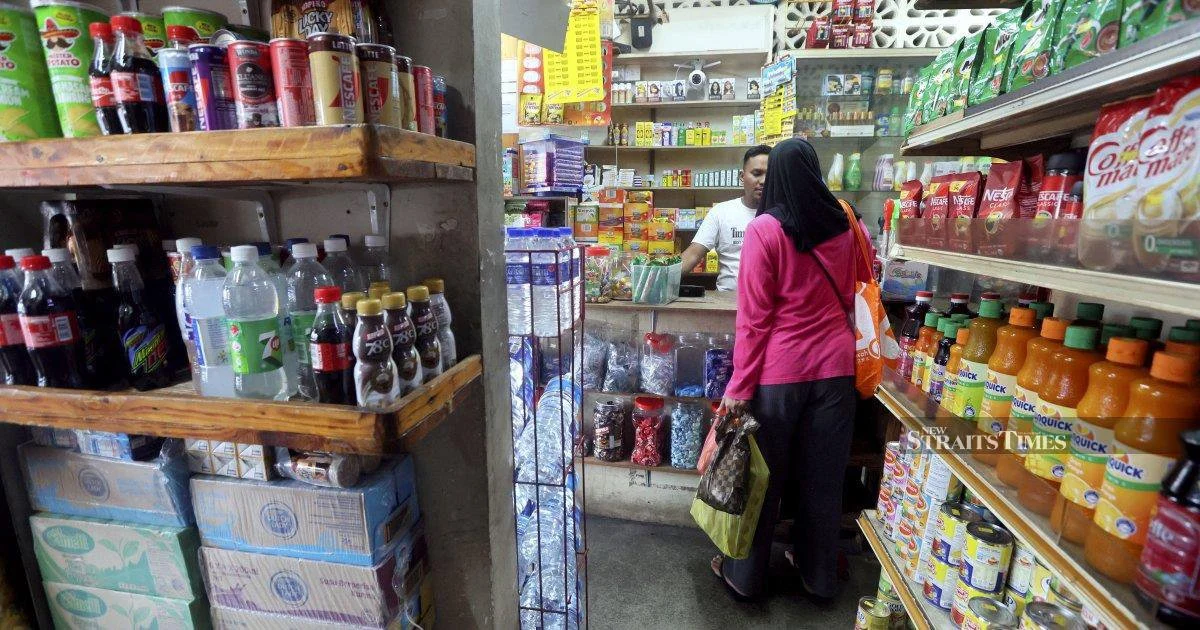
Malaysia appears to have navigated inflationary pressures relatively successfully in the immediate outlook, with price growth expected to remain within manageable bounds. However, this apparent stability masks deeper structural vulnerabilities that could quickly unravel if global commodity markets or currency markets turn volatile, leaving the nation's economic managers facing a precarious balancing act.
The near-term inflation picture reflects a confluence of domestic and international factors that have temporarily aligned in Malaysia's favour. Moderate domestic demand, contained wage growth, and the absence of sharp price spikes in essential goods have collectively kept inflationary pressures subdued. This relative calm has afforded Bank Negara Malaysia some flexibility in its monetary policy stance, though policymakers remain acutely aware that this window of stability may not remain open indefinitely.
Yet beneath this reassuring surface lies a fundamental structural challenge that has long confronted the Malaysian economy: its deep exposure to global commodity markets and currency movements. Malaysia remains an exporter of crude oil, palm oil, liquefied natural gas, and other raw materials whose prices fluctuate dramatically based on global supply and demand dynamics entirely beyond Kuala Lumpur's control. A sudden surge in oil prices triggered by geopolitical tensions, production disruptions, or unexpected demand shocks could rapidly transmit into domestic inflation, particularly affecting transportation, electricity, and manufacturing costs.
The vulnerability extends equally to the foreign exchange dimension. The ringgit's performance against major currencies, especially the United States dollar, directly influences the cost of imported goods and raw materials priced in foreign currencies. A weakening ringgit effectively raises the domestic price of imports without any corresponding improvement in Malaysia's export competitiveness, creating a one-way pressure on inflation. Conversely, ringgit appreciation can reduce import costs, though it may simultaneously erode export sector margins and competitiveness, presenting policymakers with an uncomfortable trade-off.
Malaysia's position as a major importer of food, refined petroleum products, and industrial inputs means that international price volatility translates swiftly into consumer-facing inflation. Unlike countries with more diversified domestic production bases or those blessed with food self-sufficiency, Malaysia cannot easily insulate its citizens from global price movements. The 2021-2023 inflationary episode demonstrated vividly how quickly external shocks can overwhelm domestic price stability, with supply chain disruptions and energy price surges pushing inflation briefly above five percent despite relatively contained domestic demand.
The structural vulnerability is further compounded by Malaysia's dependence on global financial conditions. Rising international interest rates, shifts in capital flows, or sudden changes in investor sentiment toward emerging markets can pressure the ringgit, while also raising the cost of foreign borrowing for Malaysian corporations and the government. These cascading effects create channels through which global monetary tightening or financial instability can inflict substantial inflation-related damage on the domestic economy.
Policymakers at Bank Negara Malaysia are acutely conscious of these headwinds. The central bank has adopted a data-dependent approach to monetary policy, maintaining flexibility to respond rapidly if inflation signals deteriorate or external shocks materialise. However, the institution's room for manoeuvre remains constrained by the need to support economic growth, maintain financial stability, and avoid provoking excessive ringgit volatility that would amplify imported inflation pressures.
The current benign inflation environment should not lull investors, businesses, or households into complacency. History suggests that external shocks arrive periodically and often with surprising velocity. Oil price spikes, shipping disruptions, supply chain realignments, or sharp movements in global currency markets could swiftly transition Malaysia from a calm inflationary backdrop to a more challenging environment. Businesses with exposure to commodity inputs or reliant on imported inputs should remain hedged against price volatility, while consumers ought to recognise that price stability cannot be taken as permanent.
For policymakers, the challenge lies in maintaining credibility and anchoring inflation expectations while acknowledging genuine limitations in their ability to prevent external shocks from transmitting into domestic prices. Communication clarity becomes critical; if the public understands that certain inflation movements reflect global rather than domestic mismanagement, expectations may remain better anchored even during turbulent periods. Building policy buffers now—whether through fiscal consolidation, maintaining foreign exchange reserves, or supporting productive capacity—represents insurance against future vulnerability.
The regional and global context further amplifies Malaysia's exposure. As a Southeast Asian economy deeply embedded in regional and global supply chains, Malaysia inherits vulnerabilities from its trading partners and production networks. Inflation pressures elsewhere in Asia can raise input costs for Malaysian manufacturers, while regional currency movements create competitive pressures that may indirectly influence domestic pricing behaviour.
Ultimately, Malaysia's inflation stability should be viewed as temporary equilibrium rather than permanent achievement. The structural factors that render the economy vulnerable to external shocks remain unchanged. While the current steady outlook provides breathing space for economic management, prudent policymaking demands continuous vigilance, scenario planning for adverse external developments, and efforts to gradually reduce structural vulnerabilities through diversification, productivity improvements, and stronger domestic resilience.
%22%2F%3E%3C%2Fpattern%3E%3C%2Fdefs%3E%3Crect%20width%3D%22100%25%22%20height%3D%22100%25%22%20fill%3D%22url(%23ph3lvh1g)%22%2F%3E%3Crect%20width%3D%22100%25%22%20height%3D%22100%25%22%20fill%3D%22url(%23ph3lvh1p)%22%2F%3E%3Ctext%20x%3D%2250%25%22%20y%3D%2250%25%22%20text-anchor%3D%22middle%22%20dominant-baseline%3D%22central%22%20fill%3D%22rgba(255%2C255%2C255%2C0.95)%22%20font-family%3D%22Georgia%2C%20'Times%20New%20Roman'%2C%20serif%22%20font-weight%3D%22700%22%20font-size%3D%22320%22%20letter-spacing%3D%22-0.02em%22%3EPM%3C%2Ftext%3E%3C%2Fsvg%3E)