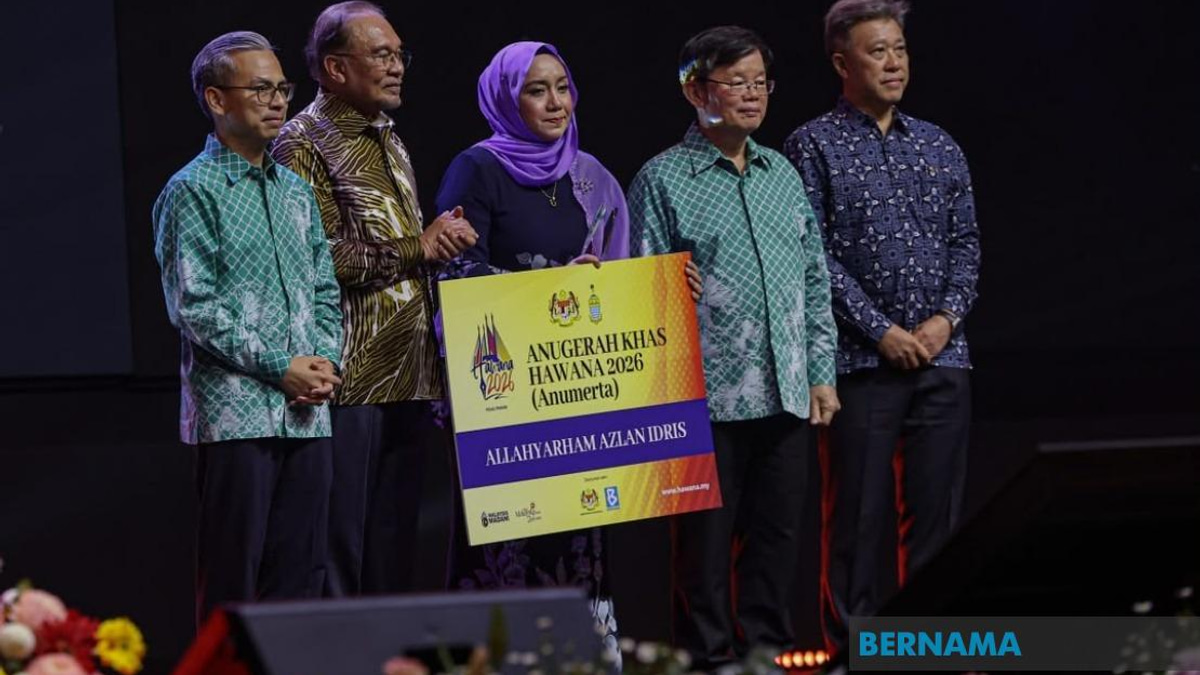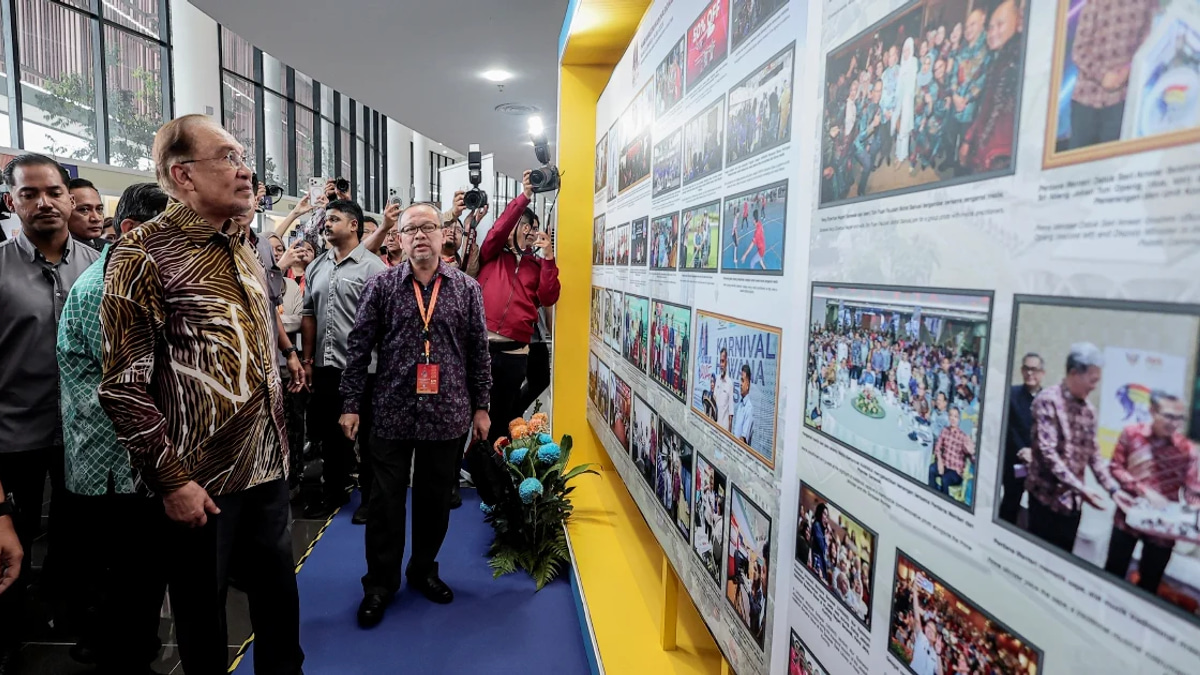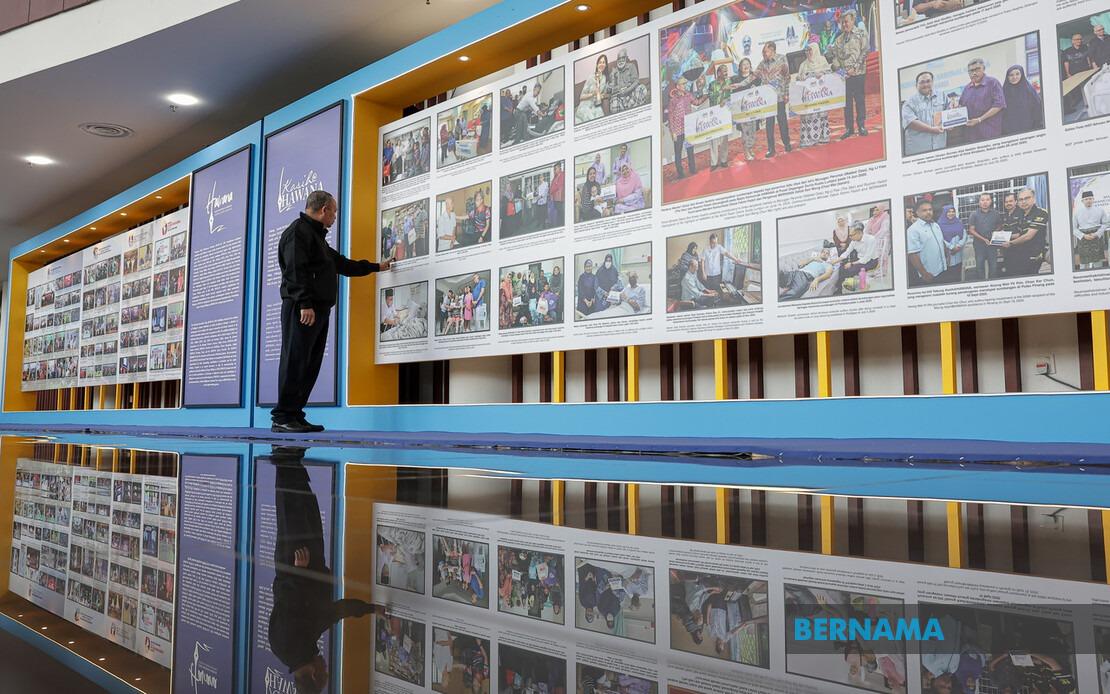
Penang is playing host this week to Malaysia's most significant gathering of media professionals, as the National Journalists' Day celebration kicks off a comprehensive agenda designed to fortify the industry against mounting pressures from technological disruption and evolving consumption habits. The multi-day HAWANA 2026 event, centred in Butterworth, has already catalysed a series of substantive discussions among journalists, editors, and industry leaders about the future direction of professional news gathering and dissemination in Southeast Asia's media ecosystem.
The Malaysian Federation of Media Clubs (GKMM) convened its Malaysia Media Retreat 2.0 as an opening salvo, drawing representatives from 15 media clubs nationwide to evaluate the federation's trajectory since its formal establishment in October 2022. This gathering served a dual purpose: strengthening institutional bonds between disparate media organisations while creating structured space for reflection on how the federation has evolved and what strategic priorities should guide its immediate future. The retreat's participation suggests growing recognition among media practitioners that collective action and shared problem-solving may be necessary to navigate contemporary industry headwinds.
Leading this initiative, GKMM president Mohamad Fauzi Ishak underscored that the retreat provided an opportunity to assess organisational development ahead of the federation's third annual general meeting, which will proceed without contested elections. The gathering drew Communications Minister Datuk Fahmi Fadzil as an official patron, signalling government acknowledgment of media's institutional importance, whilst Bernama officials including Chief Executive Officer Datin Paduka Nur-ul Afida Kamaludin and Editor-in-Chief Arul Rajoo Durar Raj attended in recognition of the national news agency's role in Malaysian journalism infrastructure.
The Malaysian Press Institute (MPI) has framed the deeper existential questions confronting the profession through a town hall session titled "2035: Will Journalists Still Exist?" conducted at Han Chiang University College of Communication. This deliberate provocative framing reflects genuine industry anxiety about journalism's viability as artificial intelligence, computational news gathering, and algorithmic content curation progressively assume functions traditionally performed by human journalists. The session featured contributions from MPI president Datuk Yong Soo Heong and senior editorial figures from the country's largest news organisations, including New Straits Times Press deputy group managing editor Farrah Naz Abd Karim and Media Prima's Azhari Muhidin, positioning the conversation as a serious strategic dialogue rather than mere speculation.
The thematic emphasis on journalism's future amid technological transformation carries particular resonance for Malaysian and Southeast Asian media markets, where digital adoption rates have accelerated dramatically whilst traditional advertising revenue streams have contracted. The exploration of changing news consumption patterns acknowledges that younger demographics increasingly source information through social media platforms, messaging applications, and algorithmic feeds rather than dedicated news outlets. This structural shift challenges fundamental business models that have sustained professional journalism for decades and raises urgent questions about how newsrooms can maintain investigative capacity and editorial quality as advertising revenue becomes increasingly elusive.
The main HAWANA 2026 celebration scheduled for tomorrow at PICCA @ Butterworth Arena will convene approximately 1,000 journalists and media professionals from Malaysia and international correspondents stationed in Southeast Asia. Prime Minister Datuk Seri Anwar Ibrahim will officiate proceedings, elevating the event's political prominence and emphasising government interest in media sector stability. The selection of the theme "Media Integrity, Foundation of Credibility" explicitly addresses public trust deficits that have characterised recent years, acknowledging that professional journalism's legitimacy depends fundamentally on demonstrated commitment to factual accuracy, independence from partisan pressure, and transparent correction of errors.
This thematic choice reflects broader regional and global patterns where media institutions face declining public confidence and intensified political pressure in contested democracies. The emphasis on credibility as a foundational concept suggests that industry leaders recognise journalism's competitive disadvantage against misinformation, disinformation, and state-sponsored content operations unless professional outlets can demonstrably maintain standards that set them apart from information chaos. For Malaysian readers and media consumers, this declaration of commitment to integrity standards has immediate practical implications for how news organisations approach coverage of politics, economics, and social issues where partisan interests collide with public information needs.
The integration of the RIUH @ HAWANA Carnival into proceedings, running three days at the PICCA Convention Centre, indicates an intentional effort to make the celebration accessible and engaging beyond industry insiders. Carnival activities traditionally serve to humanise professional communities, building public understanding of journalism's role in democratic societies and creating informal spaces where practitioners can interact with audience members outside formalised news consumption. This approach suggests conscious recognition that rebuilding public trust requires media organisations to demonstrate accessibility and responsiveness rather than maintaining institutional distance from their audiences.
Bernama's role as implementing agency for HAWANA 2026 reflects the national news agency's institutional position as guardian of professional standards and mediator between competing media interests. The agency's coordination function underscores journalism's systemic importance to Malaysian governance and democratic accountability, even as individual news organisations compete for audience attention and advertising resources. This coordination apparatus enables collective action on industry-wide challenges that no single news organisation can address independently, from technological adaptation to professional standard-setting to workforce development and training.
The sequential programming—from federation retreats and strategic planning sessions through philosophical town halls to the major public celebration—demonstrates comprehensive attempt to address journalism's future across multiple temporal horizons and organisational levels. Near-term concerns about operational sustainability and professional development intersect with longer-term questions about the profession's relevance and viability as technological change accelerates. For Malaysian media practitioners and the broader audience dependent on professional journalism, this week's proceedings represent a critical moment for collective reflection on how the industry will evolve and what strategies can ensure quality news gathering survives digital disruption.