The Malaysian United Democratic Alliance has selected Rashifa Aljunied, a 26-year-old service centre coordinator, to represent the party in the Puteri Wangsa constituency during the Johor state election scheduled for July. The decision, announced by party president Amira Aisya Abdul Aziz at a media briefing in Johor Bahru on June 20, marks a significant transition for a seat that has emerged as a symbolic stronghold for the relatively young political movement in Malaysia's southern state.
Amira Aisya, who has served as the incumbent member for Puteri Wangsa since 2022, will not defend the constituency. Instead, she has elected to focus her political ambitions on the parliamentary arena, positioning herself as a candidate in the 16th General Election. Her decision to step back from the state-level race while pursuing federal office reflects the calculated political strategy that MUDA has adopted as it attempts to expand its footprint across multiple electoral tiers in Malaysia's competitive landscape.
The selection of Aljunied was determined following extensive deliberations within MUDA's senior leadership and organisational structures, according to Amira Aisya. As the head of the Puteri Wangsa service centre, Aljunied brings operational familiarity with the constituency and its constituents, having managed on-the-ground engagement activities and public service delivery from the party's local infrastructure. This institutional knowledge is considered valuable as MUDA seeks to consolidate its position in a seat where it achieved a landmark victory just two years prior.
The historical significance of Puteri Wangsa to MUDA cannot be overstated. In the 2022 Johor state election, the party secured victory in this constituency while failing to win anywhere else in the state, making it the sole bright spot in an otherwise disappointing electoral performance. Amira Aisya triumphed with a comfortable majority of 7,114 votes in a six-cornered contest, demonstrating genuine grassroots support in a field crowded with competitors from established political blocs. That solitary win underscored the potential of the party's appeal to certain segments of voters, particularly younger and more progressive-minded constituents.
The transition from Amira Aisya to Aljunied represents a generational handover within MUDA's Johor operations. Both candidates are comparatively young by Malaysian political standards, with Aljunied being 26 years old. This pattern aligns with MUDA's broader positioning as a party for younger Malaysians seeking alternatives to the traditional political establishment. The symbolic importance of maintaining youth representation in Puteri Wangsa cannot be understated, as the constituency has become identified with this demographic appeal.
MUDA's plans extend beyond the Puteri Wangsa announcement. The party indicated that further candidate nominations for the Johor state election would be revealed during an event in Kuala Lumpur on June 21, suggesting a carefully sequenced rollout of its full electoral slate. This approach allows the party to maintain media momentum and control the narrative around its electoral strategy during the campaign period.
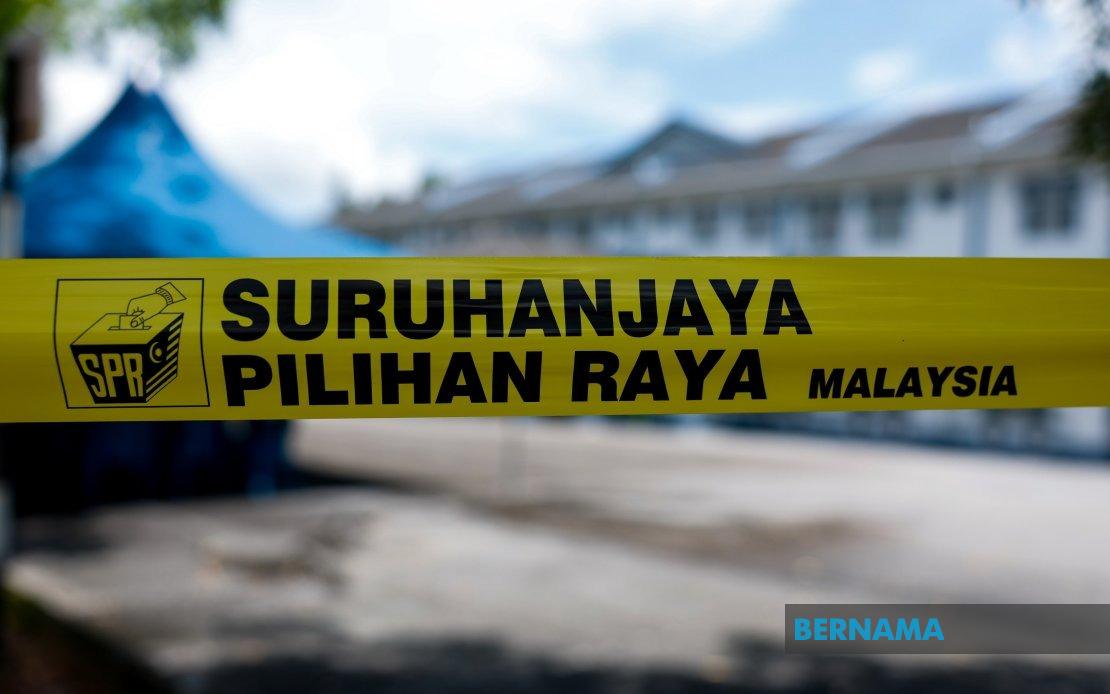
The Johor state election timeline, as set by the Election Commission, provides a compressed campaign schedule. Nomination day is scheduled for June 27, with early voting permitted on July 7, and polling day fixed for July 11. This compressed calendar means that parties have limited time to mobilise supporters and conduct grassroots campaigning, making pre-election positioning and candidate selection decisions particularly consequential.
For Malaysian observers, MUDA's trajectory in Johor bears watching as an indicator of whether the party can translate its 2022 breakthrough into sustained electoral presence or whether Puteri Wangsa will prove to be a one-off achievement. The decision to field a younger, locally-embedded candidate rather than attempt to retain Amira Aisya suggests confidence in the constituency's swing toward MUDA rather than attachment to any particular personality. This approach may prove either prescient or problematic depending on whether Aljunied can replicate or exceed the 7,114-vote margin achieved in 2022.
The broader implications for Southeast Asian observers include MUDA's ongoing experiment with alternative political formation in the Malaysian context. The party has struggled to achieve meaningful electoral breakthroughs outside isolated constituencies, and Puteri Wangsa remains its most tangible legislative foothold. How successfully it defends and builds upon this foundation will influence assessments of whether Malaysia's political landscape is genuinely opening to new participants or whether structural barriers remain insurmountable for emerging political movements.
Aljunied's candidacy also reflects MUDA's deliberate cultivation of party cadres from grassroots positions into electoral contention. Rather than recruiting established political figures, the party has developed individuals through its organisational structures, a strategy that emphasises institutional loyalty and ideological alignment. For voters in Puteri Wangsa, the choice between retaining Amira Aisya's incumbent advantage through her departure and accepting a fresh candidate represents a judgment call on whether MUDA's local structures have developed sufficient depth to sustain electoral competitiveness independent of individual personalities.