Her Majesty Raja Zarith Sofiah, Queen of Malaysia, has emphasised that mutual respect stands as one of the fundamental pillars upon which Malaysia's social harmony rests, a principle that has long defined the Malaysian character and contributed substantially to the country's enduring unity and prosperity. Speaking through a statement posted on the official Facebook page of Sultan Ibrahim Sultan Iskandar, the Queen highlighted how this value continues to shape interactions within Malaysian society and between the nation and the wider world.
The concept of mutual respect carries particular weight in Malaysia's multicultural and multireligious context. As a nation comprising diverse communities with distinct traditions, languages, and belief systems, Malaysia has historically relied upon a foundational commitment to treating one another with dignity and consideration. The Queen's remarks serve to reinforce this principle at a time when societies globally grapple with polarisation and social fragmentation, reminding Malaysians of the shared values that bind them together despite their differences.
In her statement, Her Majesty stressed the critical importance of cultivating courtesy and fostering genuine mutual respect throughout society, whether in domestic settings or in interactions with international visitors and partners. This dual emphasis—on respect within the nation and towards outsiders—reflects a comprehensive vision of harmony that extends beyond internal cohesion to encompass Malaysia's role as a welcoming and respectful nation on the global stage.
The Queen grounded her message in Islamic teaching, drawing particular attention to a hadith recorded by Al-Bukhari and narrated through Abu Hurairah RA. In this prophetic tradition, the Prophet Muhammad outlined three principles for believers: refraining from harming one's neighbours, honouring one's guests, and speaking only good words or maintaining silence. These principles encapsulate an ethical framework that prioritises the welfare and dignity of those around us, whether family, community members, or strangers. The invocation of this hadith is especially significant as it speaks directly to Malaysian Muslims while articulating universal values applicable across all faith communities.
The instruction attributed to Prophet Muhammad—that those who truly believe in Allah and the Day of Judgment should uphold these standards—frames respect and courtesy not merely as social etiquette but as matters of religious conscience. For Malaysia's Muslim majority, this places the practice of mutual respect within the broader spiritual and moral framework of Islam, thereby strengthening its resonance as a non-negotiable aspect of faith. Simultaneously, the underlying principles of neighbourly kindness and guest hospitality resonate with similar values found in other religions practised in Malaysia, demonstrating the universal applicability of these virtues.
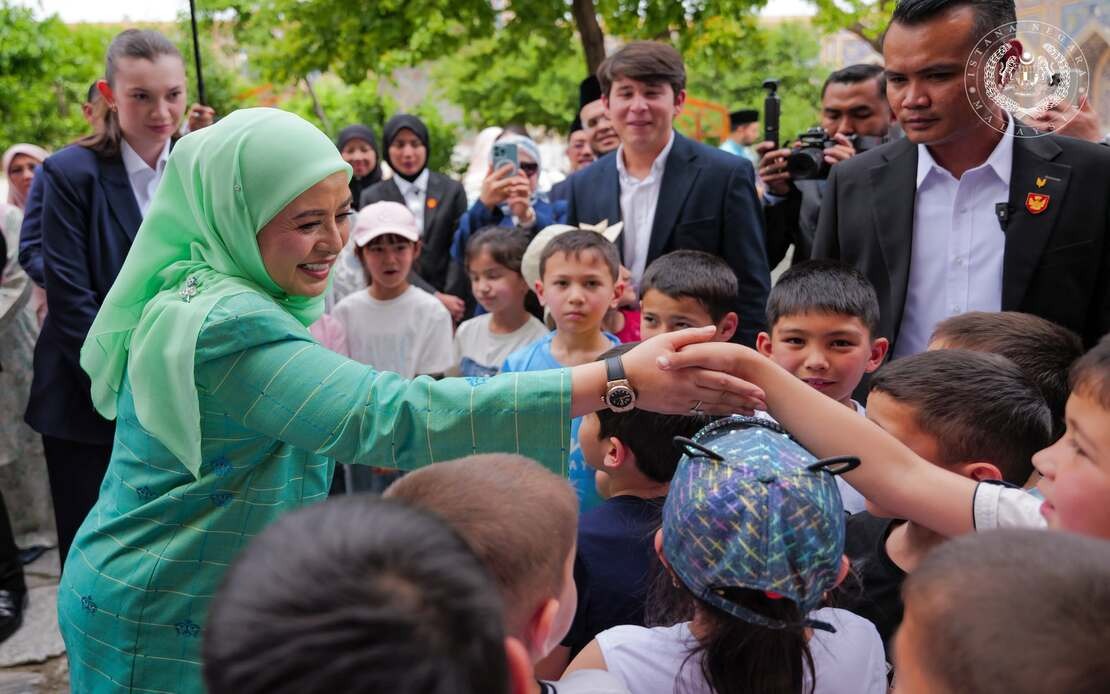
The Queen illustrated her commitment to these ideals through a personal example drawn from February, when she engaged warmly and directly with more than 100 international tourists who had gathered at the main entrance of Istana Negara. Rather than remaining distant or formal, Her Majesty's direct interaction with visitors from various countries demonstrated practical embodiment of the values she advocates. This encounter exemplified how mutual respect operates not as abstract principle but as lived practice, creating meaningful human connections that leave lasting impressions on those who experience it.
Such interactions carry particular significance for Malaysia's international standing and tourism sector. When the nation's highest representatives engage graciously with foreign visitors, they communicate a powerful message about Malaysian values and hospitality. In an increasingly competitive global tourism market, where destinations vie for visitors' attention and spending, the personal warmth and respect shown by national leaders become part of the nation's brand and reputation. The Queen's welcoming demeanour towards tourists thus serves multiple purposes: it honours guests in accordance with Islamic teaching, it showcases Malaysian values to the world, and it contributes to positive experiences that international visitors will share with others.
The statement noted that Her Majesty's actions reflect both her personal graciousness and her institutional concern for the welfare of Malaysians and international visitors alike. This framing positions respect and courtesy as responsibilities incumbent upon national leaders and, by extension, upon all Malaysians. When the monarchy exemplifies these virtues, it sets the standard for society at large and reinforces that these are not merely individual preferences but defining characteristics of Malaysian national identity.
In the contemporary context, where social media and digital communication can amplify discord and polarise communities, the Queen's emphasis on the foundations of harmony takes on heightened relevance. Malaysia faces ongoing challenges in maintaining social cohesion amid competing interests and occasional flare-ups of communal tension. By returning to fundamental principles of mutual respect and courtesy, the statement offers a stabilising reminder of the common ground that unites Malaysians across their differences. The call to either speak good or remain silent, adapted for modern discourse, suggests a tempering of inflammatory rhetoric and a preference for constructive dialogue.
The Queen's invocation of Islamic teaching while addressing the broader Malaysian society also demonstrates an inclusive approach to promoting national values. By grounding her message in a respected religious source, she speaks powerfully to Muslim Malaysians whilst the universal ethical principles she articulates appeal across religious and cultural boundaries. This approach aligns with Malaysia's constitutional framework, which recognises Islam as the federation's religion whilst guaranteeing freedom of worship for other faiths and affirming the rights and position of the various communities.
Furthermore, Her Majesty's emphasis on courtesy and respect towards guests carries implications for Malaysia's regional standing in Southeast Asia and beyond. As ASEAN societies increasingly interact with one another and with global powers, the diplomatic and cultural capital generated by displaying genuine respect and hospitality enhances Malaysia's soft power and influence. Nations are increasingly judged not only by their economic and military capabilities but by their cultural values and the quality of their people-to-people relationships. Through her words and actions, the Queen reinforces Malaysia's positioning as a nation that values human dignity, cultural sensitivity, and respectful dialogue.
The statement ultimately represents a call for recommitment to Malaysia's foundational values at a moment when they require reinforcement. By articulating these principles through the voice of the monarchy and anchoring them in religious tradition, the Queen invites all Malaysians to reflect on their own conduct and contributions to national harmony. The message extends beyond mere nostalgia for past unity to offer concrete guidance for present and future interactions, suggesting that mutual respect is not merely a historical legacy but an active practice that each generation must deliberately cultivate and defend.