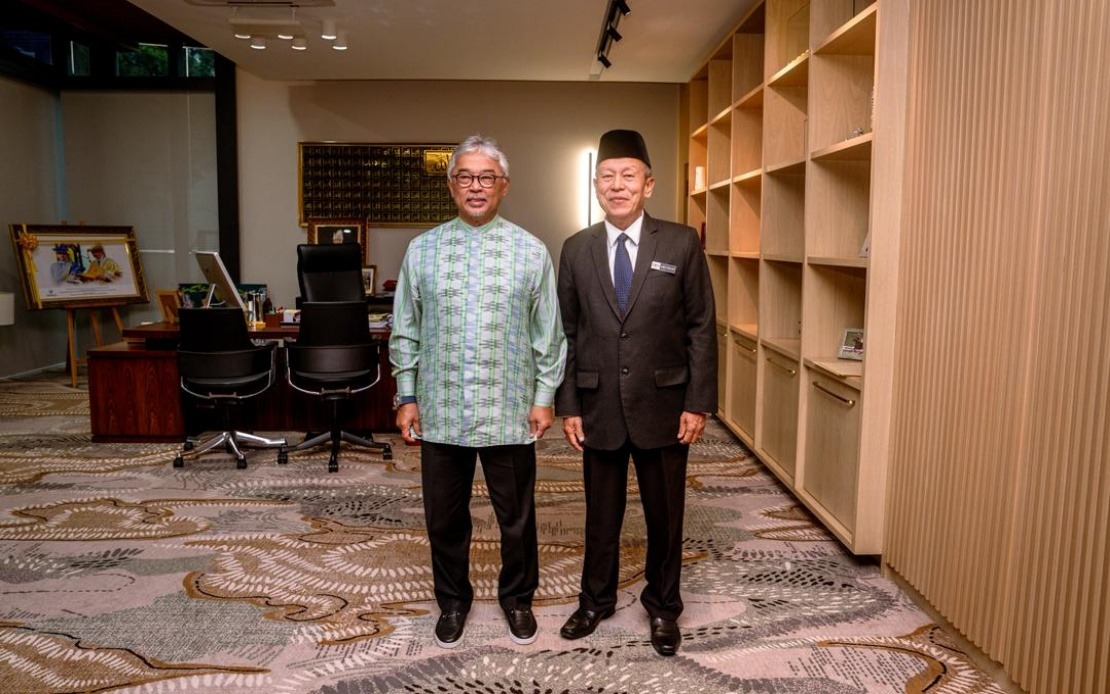
The Sultan of Pahang, Al-Sultan Abdullah Ri'ayatuddin Al-Mustafa Billah Shah, received Malaysia's anti-corruption watchdog chief at his residence in Ampang yesterday, signalling the royal institution's continued engagement with the country's governance framework. The hour-long audience between the Sultan and MACC chief commissioner Datuk Seri Abd Halim Aman at Shahzan House underscores the importance the Palace places on transparency and integrity initiatives at the highest levels of government.
During the meeting, the Sultan received an extensive briefing on the Malaysian Anti-Corruption Commission's most recent operational developments and strategic direction. The audience reflected a broader pattern of royal oversight of institutional performance, particularly in agencies tasked with safeguarding public trust. The Sultan's willingness to engage directly with the MACC leadership demonstrates the constitutional monarch's interest in understanding how enforcement mechanisms function on the ground and where resources might need strengthening.
The MACC delegation presented a comprehensive overview of its integrity-strengthening programmes and corruption prevention strategies currently underway across federal and state-level government bodies. These discussions encompassed the commission's tactical approaches to investigation, prosecution support, and preventive education—areas that remain central to Malaysia's anti-corruption agenda following years of high-profile scandals and public calls for institutional reform. The breadth of matters covered suggests the Sultan sought detailed insight into whether the agency possesses adequate tools and personnel to discharge its mandate effectively.
Governance, corruption prevention mechanisms, and public confidence in enforcement agencies formed the substantive core of the conversation. The MACC statement indicates that the Sultan was particularly interested in how the commission plans to rebuild and maintain public trust in its operations—a critical concern given previous controversies surrounding the agency's independence and leadership. This focus reflects broader concerns within Malaysian civil society about whether institutions designed to combat graft can operate free from political interference or selective enforcement.
The commission also highlighted its various initiatives aimed at bolstering governance standards and enhancing the reputation of Malaysia's anti-corruption infrastructure. Such initiatives typically include training programmes for civil servants, corporate integrity partnerships, and technological improvements to investigation capabilities. By presenting these efforts directly to the Sultan, the MACC sought to demonstrate proactive engagement with institutional development rather than a purely reactive posture toward alleged wrongdoing.
Abd Halim's expressed gratitude to Al-Sultan Abdullah carries procedural and symbolic weight within Malaysia's constitutional framework. The MACC chief's emphasis on the Sultan's support and concern for the commission's mandate reflects the delicate institutional relationship between enforcement agencies and the royal institution, which holds significant constitutional powers including the ability to grant pardons and constitutional protections. The timing and nature of such courtesies underscore how Malaysian governance operates through carefully calibrated relationships between distinct institutional actors.
The MACC chief's explicit appreciation for the Sultan's backing on transparency and accountability matters reveals an underlying anxiety within the agency regarding its political standing. Malaysia's experience with anti-corruption bodies has been complicated by perceptions of selective prosecution and vulnerability to political pressure. By securing the Sultan's public endorsement of the commission's work, Abd Halim sought to reinforce the MACC's institutional legitimacy and independence—particularly important as the agency continues high-profile investigations that may attract political scrutiny.
For Malaysian observers and Southeast Asian watchers, this audience represents a significant moment in how the country manages institutional accountability. Unlike neighbouring democracies with clear separation of powers, Malaysia's constitutional framework grants the monarchy consultative and ceremonial roles that intersect with governance oversight. The Sultan's engagement with the MACC suggests the Palace views corruption prevention as a matter of national importance requiring active royal attention rather than passive disinterest.
The meeting also carries implications for how Malaysia positions itself regionally on governance standards. As regional peers and international partners assess Malaysia's commitment to combating corruption and strengthening institutions, direct engagement between the highest constitutional authority and anti-corruption leadership signals institutional seriousness. This demonstration of coordinated interest between different state institutions may help address international perceptions that Malaysian governance bodies operate in relative isolation from each other.
Looking ahead, the audience raises questions about whether increased royal engagement with the MACC will translate into enhanced resources, clearer operational mandates, or stronger legal protections for investigators. The Sultan's demonstrated interest in the commission's work could potentially embolden the agency to pursue investigations with greater confidence, though much depends on whether this backing translates into concrete institutional support rather than remaining largely ceremonial. For Malaysia's anti-corruption architecture, royal validation matters considerably—both domestically and internationally—yet success ultimately depends on sustained funding, political insulation, and prosecutorial capacity beyond the symbolism of high-level meetings.