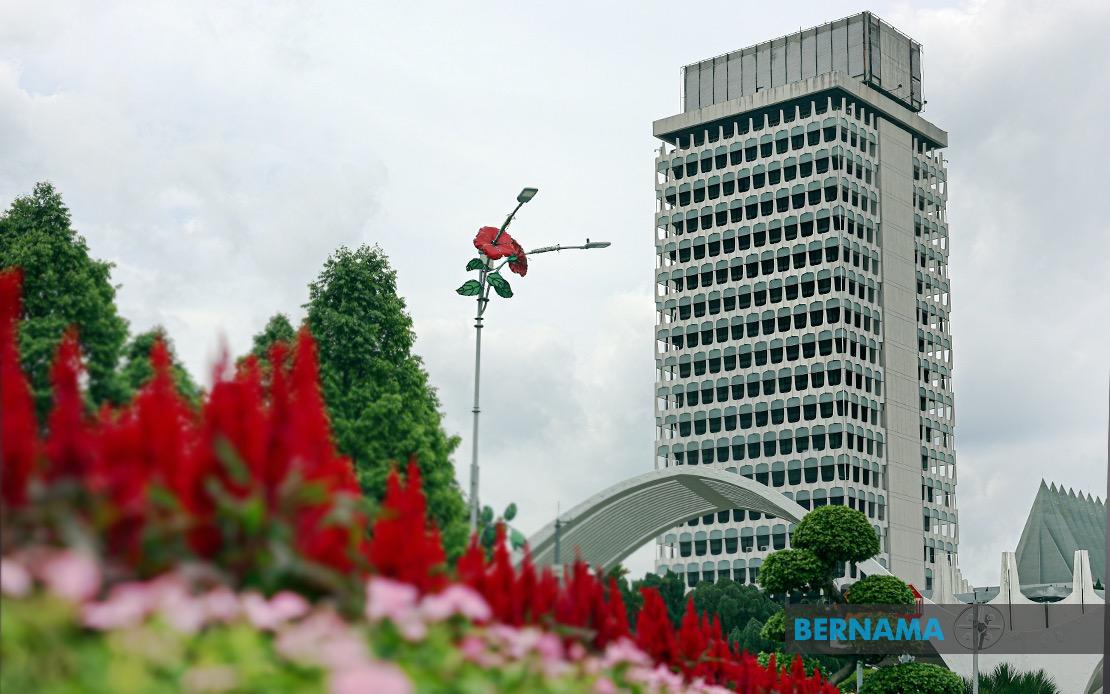
Parliament returns to the legislative chamber on Monday for the Second Meeting of the Fifth Session of the 15th Parliament, marking a critical juncture for several landmark constitutional reforms and legal amendments that will shape Malaysia's governance framework through mid-July. The sitting, which will run until July 16, places renewed emphasis on institutional checks and balances while addressing contemporary challenges ranging from road safety to cybersecurity threats facing the nation.
Two constitutional amendment bills head the agenda, both making return appearances after encountering procedural obstacles during the first meeting of this session. The Constitution (Amendment) Bill 2026, which proposes restricting prime ministerial tenure to a maximum of 10 years, failed to secure the necessary two-thirds supermajority in the lower house during its previous tabling. The bill represents a fundamental reimagining of executive power in Malaysia, reflecting growing sentiment across the political spectrum for term limits on the highest office. Separately, the Constitution (Amendment) Bill (No. 2) 2026 seeks to untangle the dual roles of Attorney General and Public Prosecutor into separate positions, a structural reform aimed at enhancing judicial independence and clarifying accountability lines within the legal system. This measure was previously referred to the Parliamentary Special Select Committee for deeper examination, and its reintroduction signals momentum behind judicial modernisation efforts.
Beyond constitutional matters, Transport Minister Anthony Loke has prioritised amendments to the Road Transport Act 1987, scheduled for introduction on the sitting's opening day with debate to follow. The comprehensive package encompasses 11 distinct areas across 42 clauses, targeting the persistent menace of illegal street racing that continues to claim lives and endanger commuters nationwide. Loke's initiative incorporates escalated penalties and enforcement protocols specifically designed to dismantle "tonto" motorcycle syndicates responsible for coordinated illegal racing operations. The legislative overhaul reflects recognition that current regulatory frameworks have struggled to deter dangerous driving behaviours, particularly among organised groups. Enhanced compliance mechanisms embedded within the amendments are intended to equip law enforcement agencies with sharper tools for intervention while signalling zero tolerance for reckless conduct on Malaysian roads.
The Cybercrime Bill 2026 also features prominently on the parliamentary calendar, arriving at a moment when digital threats have multiplied across financial systems, government infrastructure, and personal data repositories. Malaysia's evolving threat landscape—encompassing everything from ransomware targeting critical national assets to identity theft affecting ordinary citizens—necessitates legislative agility. This bill represents the government's attempt to fortify Malaysia's cyber defence architecture while establishing clearer legal pathways for prosecution of digital offenders.
Parliamentary discourse during this 16-day session will inevitably incorporate geopolitical considerations affecting Malaysia's national interests. The ongoing conflict in West Asia and resulting disruptions to global energy supply chains have created volatility in international fuel markets, with cascading consequences for Malaysian consumers and businesses. Legislators across party lines are expected to engage substantively on how the nation can mitigate energy security vulnerabilities and insulate the economy from external shocks beyond its immediate control. This discussion carries particular urgency as Malaysia balances its energy transition objectives with near-term supply stability concerns.
Dewan Rakyat Speaker Tan Sri Johari Abdul has issued a clarion call for parliamentary decorum and substantive engagement, reminding members that their primary obligation extends to the constituents who elected them rather than narrow partisan calculations. His message directly addresses the political dynamics surrounding the concurrent Johor State Election, where numerous MPs will shoulder dual campaign responsibilities while maintaining parliamentary presence. Johari has emphasised that the chamber remains Malaysia's supreme legislative forum where national policy emerges from reasoned debate grounded in empirical evidence rather than rhetorical excess or emotional appeals.
The Speaker's admonition carries particular weight given contemporary pressures threatening parliamentary effectiveness across democratic nations globally. By insisting on fact-based discourse and constructive problem-solving rather than political theatre, Johari is reasserting the Dewan Rakyat's institutional identity as a deliberative body transcending electoral cycles. His call for MPs to address substantive concerns—encompassing cost of living anxieties, educational quality, healthcare accessibility, employment creation, and community welfare—reflects public frustration with legislative sessions consumed by partisan posturing rather than tangible governance outcomes.
The convergence of the parliamentary sitting with Johor's electoral contest presents logistical and political complexities. MPs representing Johor constituencies face inevitable tension between parliamentary duties and campaign imperatives, a reality Johari has directly confronted by warning against treating the chamber as a megaphone for electoral advantage. His directive that MPs discharge their representative functions responsibly rather than misusing parliamentary privilege underscores concerns that heightened political competition could compromise legislative productivity. The Speaker's firmness on attendance obligations acknowledges that Malaysian citizens expect their elected representatives to prioritise legislative work during designated sitting periods.
Compounding parliamentary business, the upper house will convene separately for a 10-day sitting commencing July 20 and concluding August 4, providing the Dewan Negara opportunity to scrutinise legislation approved by the lower chamber and deliberate on matters of national consequence. This sequential arrangement ensures bills receive layered scrutiny across both chambers, though timing constraints may necessitate efficient processing of complex measures.
For Malaysian business interests and civil society observers, this parliamentary session represents a critical window for monitoring whether constitutional reform efforts gain legislative traction and how effectively lawmakers address contemporary governance challenges. The success or failure of the prime ministerial tenure limitation bill will signal whether Malaysia's political establishment has genuinely embraced systemic checks on executive power, while the Attorney General separation measure reflects evolving expectations regarding judicial independence. Meanwhile, practical legislation addressing road safety and cybersecurity speaks directly to everyday concerns affecting quality of life and economic productivity.
The parliamentary calendar through mid-July will demonstrate whether Malaysia's legislature can rise above partisan divisions to construct durable legal frameworks serving broader national interests. Johari's insistence on elevated discourse standards and responsible representation offers a constructive framework, though actual outcomes will depend on whether MPs across the government and opposition benches embrace this vision or succumb to electoral pressures and ideological rigidity. The coming weeks will prove revealing about the maturity and effectiveness of Malaysia's contemporary political class.