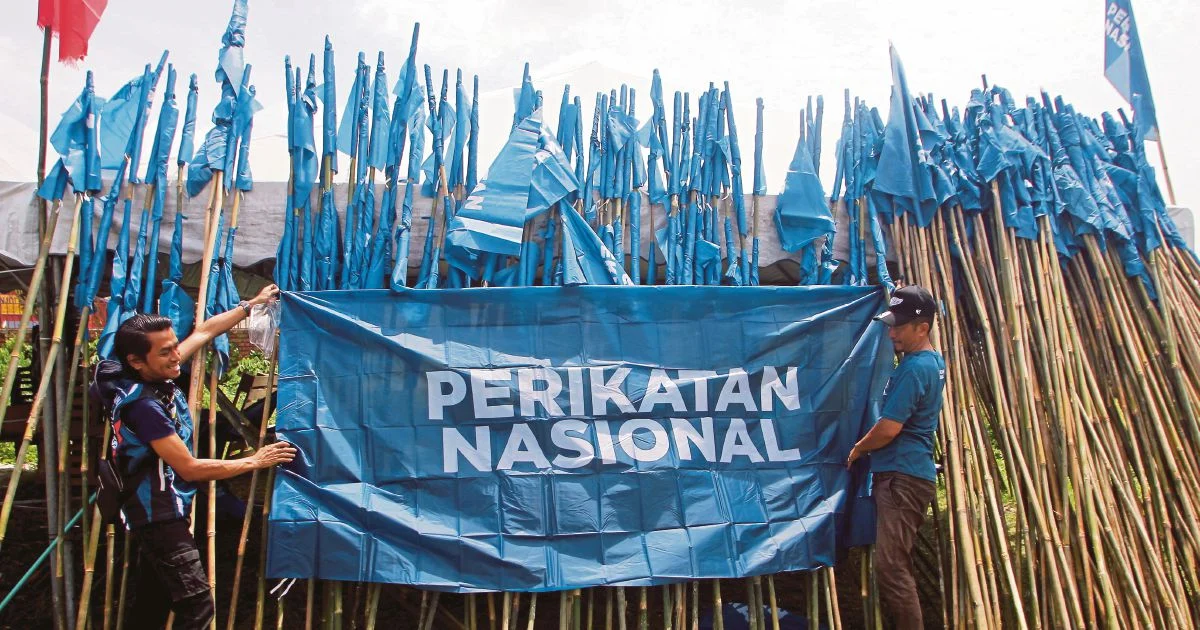
The Perikatan Nasional coalition faces a critical juncture as its Supreme Council prepares to meet on June 22, with several contentious matters requiring urgent resolution at the highest level of governance. Chief among these is the thorny question of how member parties may deploy the coalition's logo in electoral campaigns, a seemingly technical issue that masks deeper disagreements over power-sharing and party autonomy within the broader alliance. The gathering in Kota Baru will also address the mechanics of candidate endorsements across multiple election cycles, reflecting the coalition's struggle to establish clear protocols that satisfy all constituent parties while maintaining unified electoral strategy.
The timing of this summit suggests escalating friction within PN's ranks following recent electoral cycles and the shifting political landscape across Malaysia. Coalition partners—particularly PAS, UMNO (which holds observer status), and Bersatu—have demonstrated divergent interests in several key matters, and the logo dispute encapsulates these deeper structural vulnerabilities. The logo, initially established as a unifying symbol when PN formed as a counter-coalition against Pakatan Harapan, has become contested territory as members weigh individual party brands against collective political identity. For smaller parties within the alliance, the prominence and deployment of the PN logo in campaign materials can significantly influence voter perception and electoral prospects.
The candidate endorsement issue is equally consequential, as it determines which contenders receive official PN backing and coalition resources in competitive constituencies. Different parties bring distinct geographical strengths and voter demographics to the table, creating zero-sum scenarios where one party's preferred candidate in a marginal seat may conflict with another's electoral ambitions. Without clear, agreed frameworks, these endorsement decisions become flashpoints for intra-coalition grievance and potential fragmentation. The Supreme Council's deliberations will attempt to establish protocols that balance meritocratic selection with geographical power-sharing conventions.
For Malaysian observers, PN's internal mechanics carry broader implications for the nation's political stability and electoral integrity. The coalition currently controls several state governments and commands significant parliamentary presence, making its organisational cohesion a matter of national political consequence. Unresolved disputes over logo usage and candidate endorsements risk creating parallel campaign operations or conflicting messaging that undermine the coalition's electoral effectiveness and public messaging. Such internal disarray could simultaneously advantage opposition coalitions while signalling voter uncertainty about PN's readiness for higher office.
The June 22 meeting also reflects international and regional trends in opposition coalition management. Across Southeast Asia, multi-party alliances face structural challenges in maintaining unity across diverse ideological and interest-based constituencies. PN's attempts to institutionalise decision-making procedures through formal Supreme Council meetings represent a mature approach to coalition governance, yet the persistence of unresolved issues suggests deeper consensus gaps remain. The council's capacity to craft durable compromises will demonstrate whether PN possesses the organisational sophistication necessary to govern effectively should it attain federal power.
Critically, the logo and endorsement disputes cannot be separated from PAS's evolving position within the coalition architecture. As an Islamist party with distinct theological and political commitments, PAS has historically leveraged PN membership to maximise its electoral reach while maintaining independent brand identity. Its perspective on logo deployment and candidate selection may fundamentally differ from secular or multiethnic partners who prioritise coalition unity as a counterweight to Pakatan Harapan dominance. The June 22 discussions will reveal whether PN can accommodate PAS's particular interests without fracturing.
Bersatu's role as a relative newcomer to PN also shapes the endorsement framework debate. Having recently absorbed members and established itself as an electoral force, Bersatu seeks guaranteed access to competitive seats and meaningful campaign prominence. Its demands for transparency and meritocratic selection procedures potentially clash with entrenched power-sharing arrangements that favour larger or more established coalition constituents. The Supreme Council will need to determine whether new members receive proportional recognition or whether historical coalition precedence takes priority.
From a Malaysian electoral perspective, the unresolved nature of these issues carries voter-level consequences. Constituents in marginal seats may face confusing or contradictory campaign messaging from PN-affiliated parties operating under different branding strategies or endorsing rival candidates claiming coalition backing. This fragmentation erodes electoral accountability and prevents voters from clearly distinguishing between inter-coalition competition and intra-coalition disagreement. Clarity from the June 22 meeting would strengthen Malaysian democracy by ensuring voters understand precisely which candidates legitimately represent PN credentials versus those pursuing independent or party-specific mandates.
The timing of this Supreme Council convening suggests leadership recognition that ongoing ambiguity threatens coalition viability. Rather than permitting continued ad-hoc decision-making on logos and endorsements, the formal top-level engagement indicates seriousness about establishing binding precedents. However, the fact that these foundational matters remain unresolved well into PN's operational history raises questions about the coalition's initial institutional design and whether its architecture genuinely accommodates diverse member interests or merely masks deeper incompatibilities through temporary compromises.
Looking forward, the June 22 outcomes will signal whether PN can mature beyond coalition-of-convenience status toward genuine federal-level readiness. Successful resolution of logo and endorsement protocols would establish PN as a serious contender for future government formation, demonstrating capacity for internal governance and institutional coherence. Conversely, another round of contested compromises or deferred decisions would reinforce perceptions that PN remains primarily a negative coalition—united against Pakatan Harapan rather than by positive shared vision—unlikely to govern effectively if elevated to federal power.