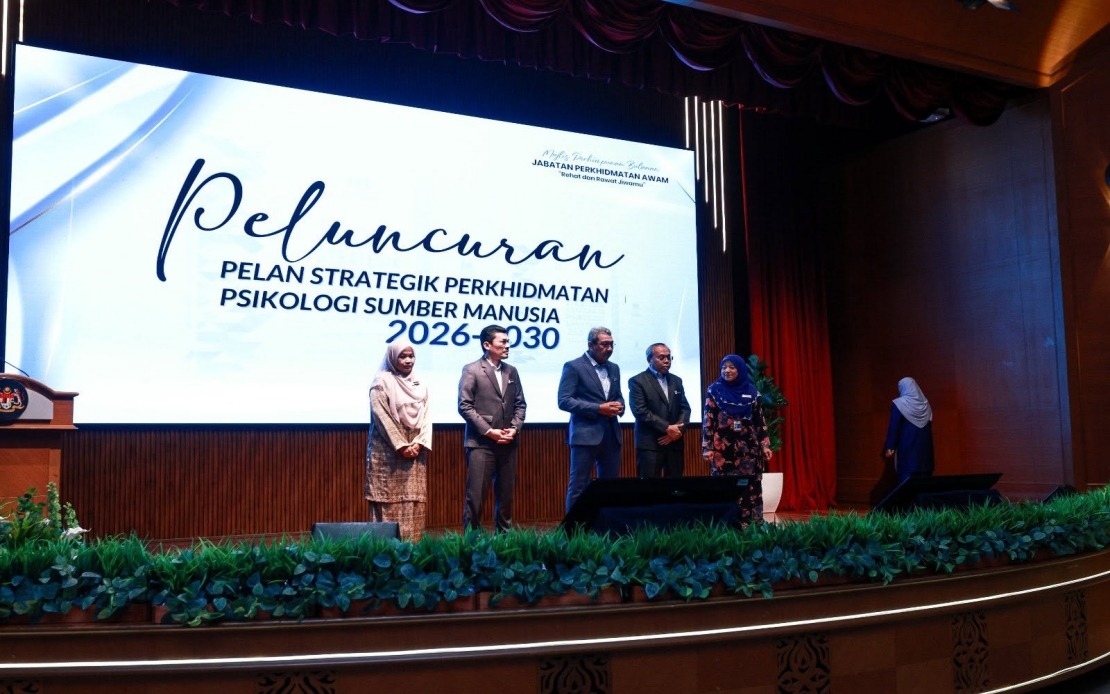
The Public Service Department has launched an ambitious five-year strategic roadmap aimed at transforming how Malaysia's civil service addresses mental health and psychological well-being among its workforce. Unveiled at the department's monthly assembly in Putrajaya on June 19, the Human Resources Psychology Services Strategic Plan 2026-2030 represents a significant institutional commitment to destigmatising mental health support within government agencies. The initiative, officiated by Public Service Director-General Tan Sri Wan Ahmad Dahlan Abdul Aziz, encompasses 12 distinct strategies, 22 comprehensive programmes and 48 key performance indicators designed to create measurable improvements in employee psychological wellness across the federal bureaucracy.
The timing of this initiative reflects growing recognition within Malaysia's public sector leadership that organisational effectiveness cannot be separated from the mental health of individual employees. Tan Sri Wan Ahmad Dahlan emphasised this connection through the strategic theme "R&R (Rest and Treat) Your Soul", which encapsulates the dual approach of allowing recovery time whilst simultaneously encouraging proactive intervention. The concept of "Treat" carries particular significance, as it fundamentally challenges long-standing cultural attitudes within government workplaces that have historically discouraged open discussion of psychological difficulties. By framing mental health support as a courageous and responsible choice rather than a sign of weakness, the Public Service Department is attempting to rewire institutional norms that have traditionally discouraged civil servants from seeking professional help.
Central to the strategic plan is the introduction of the "Rawat" concept, which translates to a comprehensive approach of proactive intervention and care regarding mental health and organisational well-being. Rather than adopting a purely reactive stance that only addresses crises as they emerge, this framework encourages civil servants and their supervisors to identify warning signs early and facilitate timely access to professional psychological services. The Rawat approach sits alongside the broader H.E.M.A.T work culture initiative, which itself represents a fundamental governance shift encompassing public empathy, progressive mindset, innovation appreciation and transparent administration. Together, these frameworks suggest that the Public Service Department views mental health support not as an isolated personnel matter but as integral to comprehensive public sector reform.
The breadth of the five-year plan underscores the scope of the challenge being addressed. With 22 distinct programmes operating under 12 overarching strategies, the Public Service Department is signalling that mental health support must penetrate multiple layers of civil service operations, from frontline service delivery to senior management levels. The establishment of 48 key performance indicators demonstrates commitment to accountability and measurable progress, moving beyond aspirational statements to concrete metrics that will determine whether the initiative achieves its objectives. These indicators will likely track both utilisation rates of psychological services and broader measures of employee satisfaction, workplace engagement and mental health outcomes across participating agencies.
For Malaysian civil servants themselves, the initiative addresses a gap that has long existed within the public sector employment experience. Government employees often work under considerable pressure, navigating complex bureaucratic environments, heavy workloads and the emotional demands of serving the public. Yet accessing mental health support has historically carried implicit career risks, with many fearing that seeking psychological counselling might be perceived negatively during promotions or postings. The Public Service Department's strategic pivot represents an effort to dismantle these barriers by reframing psychological support as a normal, necessary and valued component of professional self-care and organisational citizenship.
The messaging around eliminating stigma deserves particular attention, as this represents the psychological and cultural foundation upon which the entire strategic plan rests. Stigma surrounding mental health in Malaysian workplaces—particularly within hierarchical government structures—has historically functioned as a powerful deterrent to help-seeking behaviour. By explicitly positioning stigma elimination as a priority outcome, the Public Service Department acknowledges that creating accessible services means nothing if employees remain afraid or ashamed to utilise them. This requires sustained messaging from leadership, peer support normalisation and potentially training programmes for supervisors and human resources personnel.
The implications of this strategic initiative extend beyond individual welfare to systemic workplace performance. Research consistently demonstrates that unaddressed mental health issues correlate with reduced productivity, increased absenteeism, higher turnover and diminished service quality. By investing in psychological well-being, the Public Service Department is essentially improving its own operational capacity and effectiveness. Malaysian taxpayers benefit when government employees are psychologically healthy, more engaged and able to deliver services with greater focus and empathy. This connection between individual mental health and public service quality makes the initiative not merely a welfare measure but an investment in governmental function itself.
The five-year timeframe reflects realistic expectations about institutional change. Meaningful transformation of workplace culture around mental health typically requires sustained effort, consistent messaging, staff training and incremental behavioural shifts. The department is not promising immediate outcomes but rather establishing mechanisms and pathways that will gradually alter how the civil service thinks about and addresses psychological well-being. By establishing this timeline publicly and committing to 48 measurable indicators, the Public Service Department has created accountability structures that should drive genuine implementation rather than allowing the initiative to fade into bureaucratic obscurity.
Regionally, Malaysia's approach to public sector mental health aligns with emerging trends across Southeast Asia where governments increasingly recognise that modern civil service excellence requires attending to workforce psychological well-being. The initiative may also serve as a model for other Asian bureaucracies grappling with similar cultural challenges around mental health stigma and help-seeking behaviour. Should the Public Service Department successfully implement and demonstrate positive outcomes from this plan, it could influence how other government agencies and private employers approach psychological support across the region.
Implementation success will ultimately depend on sustained commitment beyond the initial launch enthusiasm. The Public Service Department must ensure adequate funding, trained psychological professionals, accessible service delivery mechanisms and consistent reinforcement of cultural messaging around mental health. Middle managers, who directly supervise most civil servants and significantly influence workplace culture, will require particular attention through training and incentive structures that reward supportive management practices. Additionally, measuring the 48 key performance indicators and publicly reporting on progress will be essential to maintaining accountability and demonstrating that this represents genuine reform rather than rhetorical gesturing.
The strategic plan's emphasis on rest alongside treatment represents sophisticated understanding that sustainable psychological well-being requires both professional intervention and systemic changes to work practices. This dual emphasis suggests the Public Service Department recognises that some mental health challenges stem not from individual pathology but from unrealistic workloads, insufficient recovery time and unsustainable expectations. Addressing these structural factors alongside expanding access to counselling and psychological services demonstrates a holistic approach that goes beyond individual treatment to organisational redesign.
As Malaysia's public service embarks on implementation of the Human Resources Psychology Services Strategic Plan 2026-2030, the initiative signals that civil service excellence increasingly depends on acknowledging and supporting the psychological dimensions of work. The commitment to 48 measurable outcomes, 22 programmes and a five-year timeframe demonstrates serious institutional intent. Whether this translates into meaningful cultural change and measurable improvements in civil servant mental health will become clearer as implementation progresses, with results that carry implications not only for Malaysia's government workforce but potentially for how Southeast Asian bureaucracies address employee psychological well-being more broadly.