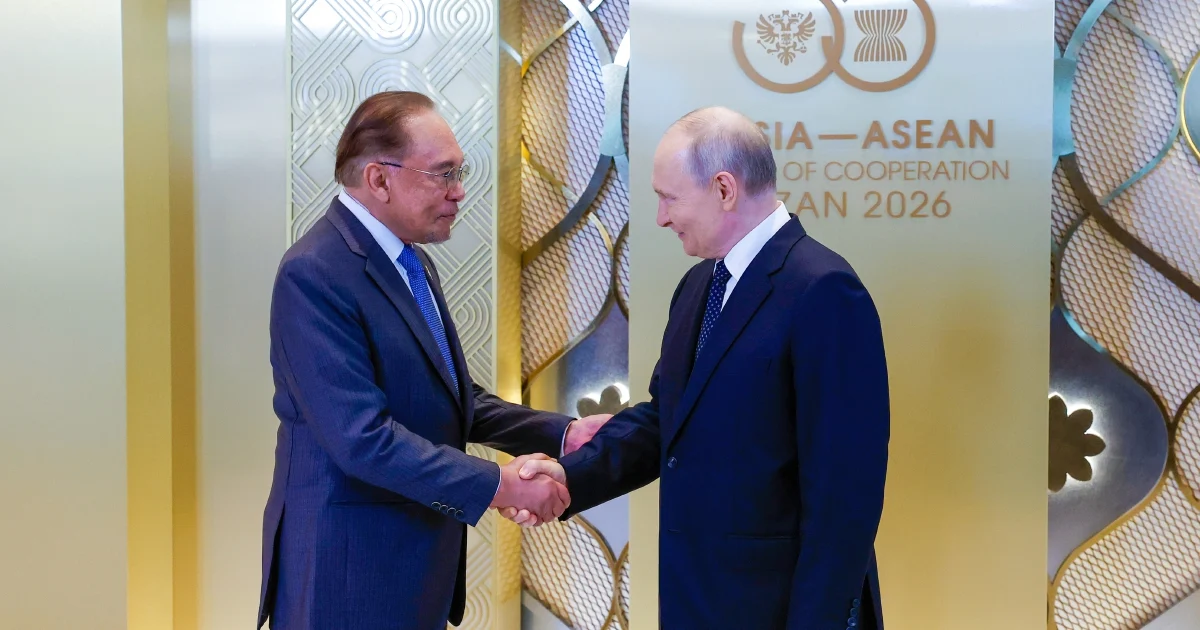
Malaysia is fortifying its energy independence through deliberate diplomatic engagement with leading hydrocarbon producers, Prime Minister Datuk Seri Anwar Ibrahim declared in Bintulu today, signalling a broader pivot toward cementing bilateral relationships in the volatile global energy arena.
The Prime Minister's statement represents a significant development in Malaysia's external energy strategy, coming at a time when traditional suppliers face supply chain pressures and geopolitical complications. By securing explicit assurances from Russian President Vladimir Putin, Anwar has moved to reduce Malaysia's vulnerability to price shocks and potential supply disruptions that have disrupted markets across the region in recent years.
This diplomatic overture reflects a pragmatic approach to energy diversification that extends beyond the Middle Eastern suppliers upon which Southeast Asia has historically relied. For Malaysia specifically, the move represents a calculated attempt to leverage its geographic position and economic weight to negotiate favourable long-term arrangements with producers possessing substantial reserves. Such agreements typically involve preferential pricing mechanisms and supply guarantees that insulate national economies from sudden market fluctuations.
The timing of these energy assurances carries particular significance for Malaysia's domestic energy landscape. As the nation transitions toward meeting its renewable energy targets whilst maintaining industrial competitiveness, securing reliable conventional energy sources buys critical time for the country's energy infrastructure to evolve. Petronas, Malaysia's national oil and gas corporation, has been simultaneously pursuing investments in liquefied natural gas and petroleum production, making these strategic supply arrangements essential components of the company's operational planning.
Russia's willingness to provide such assurances to Malaysia also reflects broader patterns in global energy geopolitics, where traditional Western relationships have become increasingly complicated by sanctions regimes and competing climate agendas. For Moscow, cultivating energy partnerships with Southeast Asian purchasers provides both economic benefit and diversification away from European markets increasingly attempting to reduce Russian fuel dependencies.
For regional stakeholders, Malaysia's pursuit of multiple energy partnerships carries implications beyond Kuala Lumpur's borders. Vietnam, Thailand, and Indonesia all face similar energy security concerns and must balance domestic production with import requirements. Malaysia's successful negotiation with Russia could establish a template for other Southeast Asian nations seeking to develop comparable arrangements, potentially reshaping regional energy trade patterns away from traditional suppliers.
The emphasis on strategic partnerships signals that Anwar's administration recognises energy security as inseparable from broader national security concerns. Global supply chains for critical fuels remain vulnerable to disruption from geopolitical conflict, environmental disasters, and market manipulation. By cultivating relationships with multiple major producers across different geographic regions, Malaysia reduces the leverage any single supplier can exercise over its economy.
Historically, Malaysia's energy strategy has focused on leveraging its own significant petroleum and natural gas reserves whilst pursuing selective imports to meet growing demand. However, domestic reserves are gradually depleting, making external partnerships increasingly vital for maintaining the energy intensity required by the country's manufacturing and petrochemical sectors. The Russian engagement therefore represents adaptation to long-term resource constraints.
Industry observers note that such assurances typically translate into formal supply contracts negotiated between Petronas and Russian energy producers rather than direct government-to-government supply arrangements. These contracts generally specify delivery volumes, pricing formulae tied to international benchmarks, and dispute resolution mechanisms. The diplomatic groundwork laid by Anwar's discussions establishes the political framework within which commercial negotiations can proceed.
The broader context includes Malaysia's navigating complex relationships with both Western-aligned nations and those subject to varying degrees of international sanction regimes. Kuala Lumpur has consistently maintained its position as a non-aligned nation pursuing independent foreign policy, a stance that permits energy partnerships with diverse producers without compromising relationships with traditional allies. This balancing act becomes increasingly challenging but also increasingly valuable as global energy markets fragment.
For Malaysian consumers and businesses, the practical implications remain indirect but significant. Stable long-term energy supply agreements influence inflation expectations, manufacturing competitiveness, and investment decisions across the economy. Energy costs form substantial components of production expenses in sectors ranging from petrochemicals to aluminium smelting, making supply reliability crucial for maintaining regional manufacturing advantages.
Looking ahead, the success of these negotiations will depend on translating diplomatic assurances into binding commercial arrangements that survive inevitable market volatility and geopolitical shifts. Malaysia's track record of honouring international commitments whilst managing domestic political pressures will influence investor confidence in the durability of energy partnerships. The coming months will reveal whether Putin's assurances translate into concrete supply agreements that materially enhance Malaysian energy security.