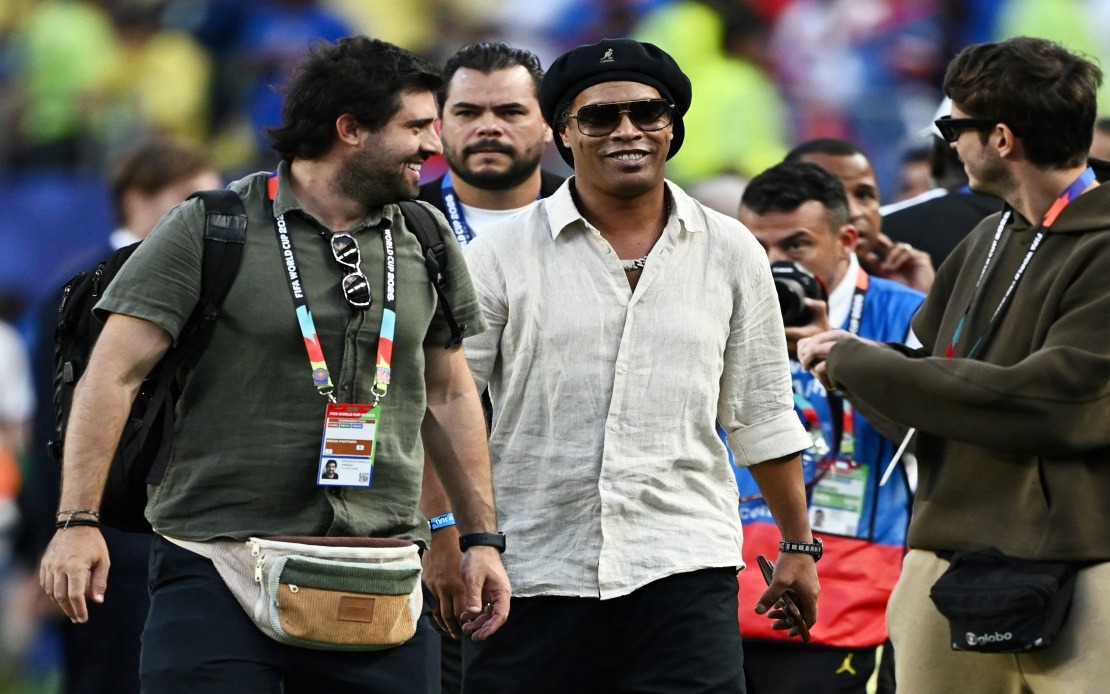
At 46 years old, Ronaldinho appears poised to chase an improbable comeback to professional football, with reports indicating the legendary Brazilian will ink a deal with Ravenna, a club competing in Italy's third-tier league. The former two-time FIFA World Footballer of the Year confirmed his plans through club owner Ignazio Cipriani, a prominent businessman with hotel industry interests, though considerable uncertainty remains about whether the ageing maestro will step onto the field once the contract is signed. Details surrounding the arrangement are expected to emerge during a public announcement scheduled for Miami on Tuesday.
The prospect of Ronaldinho returning to competitive football comes nearly a decade after he played his final professional match in 2015 for Rio de Janeiro's Fluminense. What makes this proposed comeback particularly striking is the passage of time since he formally retired from the sport in 2017 following two separate stints competing in India's Premier Futsal League. For Malaysian football enthusiasts and Southeast Asian sports fans who grew up watching him mesmerise defenders with his flair and creativity, the notion of seeing him perform again—even in lower-tier European football—represents a tantalising if somewhat surreal prospect.
Ravenna's leadership has adopted a notably cautious stance regarding whether Ronaldinho will actually compete in matches. Vice-president Ariedo Braida told ANSA news agency that the possibility cannot be dismissed, drawing on the Brazilian's track record of excellence and suggesting that age should not necessarily preclude a genuine playing role. Braida's comments indicate the club views this arrangement as offering multiple possibilities rather than a predetermined outcome, reflecting the unusual nature of bringing an ageing footballing legend into professional competition.
Ronaldinho's storied career places him among football's most decorated performers. He captured the FIFA World Cup with Brazil in 2002, becoming a pivotal figure in a golden generation that won sport's most prestigious international tournament. Four years later, he cemented his legacy at club level by winning the UEFA Champions League with Barcelona, one of the continent's most successful institutions. His trophy cabinet also includes the 2013 Copa Libertadores championship with Atletico Mineiro, South America's premier continental club competition. These achievements underscore why even at an advanced age, interest in his involvement with Ravenna has generated significant international attention.
The Brazilian legend's technical brilliance and artistic approach to the game made him one of football's most captivating entertainers during his prime years. His ability to produce moments of unexpected genius—sudden backheel passes, impossible chips, or dazzling dribbles that left opponents helpless—defined his playing style and contributed to his global celebrity status. For fans across Southeast Asia and beyond, Ronaldinho embodied a philosophy of football that prioritised enjoyment and creative expression, distinguishing him from more functionally-oriented players.
Ravenna's third-division status in Italy represents a significant step down from the elite environments where Ronaldinho previously performed. Italy's third tier, known as Serie C, consists of ambitious clubs seeking promotion and developing their long-term projects. The league features competitive football with dedicated supporters but lacks the commercial resources, global audience, and star-studded rosters found in Serie A. This context makes Ronaldinho's potential involvement noteworthy from a sporting perspective, as it would introduce a player of world renown into a regional competition.
The motivation behind this arrangement appears multifaceted. Club owner Ignazio Cipriani evidently sees value in bringing Ronaldinho to Ravenna, whether for commercial purposes, promotional benefits, or genuine sporting ambitions. The Brazilian himself expressed enthusiasm, stating he eagerly anticipates dancing with the ball again and starting a fresh chapter with Cipriani's family and the club. His language suggests personal motivation beyond financial considerations, perhaps a desire to reconnect with competitive football and prove that his skills remain viable at the professional level.
From a broader sporting perspective, this development reflects a growing trend of legendary athletes attempting comebacks in unexpected contexts. The phenomenon is particularly pronounced in football, where technical ability and tactical intelligence can sometimes compensate for declining athleticism. However, Ronaldinho's case is distinctive given his age and the extended layoff since his previous professional engagement. Most comparable comebacks occur after shorter retirements or in leagues with markedly less demanding physical requirements.
For Malaysian and Southeast Asian football enthusiasts, Ronaldinho's potential return carries particular significance given his profile in the region. His playing style and magnetic personality earned him a substantial fanbase throughout Asia, with many supporters having followed his career from his early days in Brazil through his Barcelona era. The prospect of watching him compete again, even in relatively modest circumstances, appeals to nostalgic sentiments while offering an opportunity to assess how much of his extraordinary ability remains.
The uncertainty surrounding whether Ronaldinho will actually participate in competitive matches is noteworthy. Club officials have deliberately avoided committing to regular appearances, suggesting the signing might serve multiple functions beyond traditional player acquisition. Perhaps the arrangement involves ambassador responsibilities, community engagement initiatives, or strategic involvement in club development. This ambiguity will likely persist until the Miami announcement provides clearer information about the exact nature and scope of his commitment.
Ronaldinho's career trajectory reflects the broader evolution of football globalisation and commercialisation over the past two decades. His move to Ravenna, whether ultimately resulting in competitive appearances or not, demonstrates how legendary players can remain financially and commercially attractive long after their competitive prime passes. The arrangement highlights the complex relationship between sport, business, and nostalgia in contemporary professional football.
The coming weeks will reveal whether this represents a genuine attempt at competitive football or primarily a commercial and promotional initiative. Either way, the agreement between Ronaldinho and Ravenna represents a remarkable footnote in an exceptional career. For observers across Malaysia and Southeast Asia who witnessed his genius firsthand, the announcement carries the promise of rekindling memories of one of football's most gifted entertainers while offering an unexpected chance to see him perform on the pitch once more.