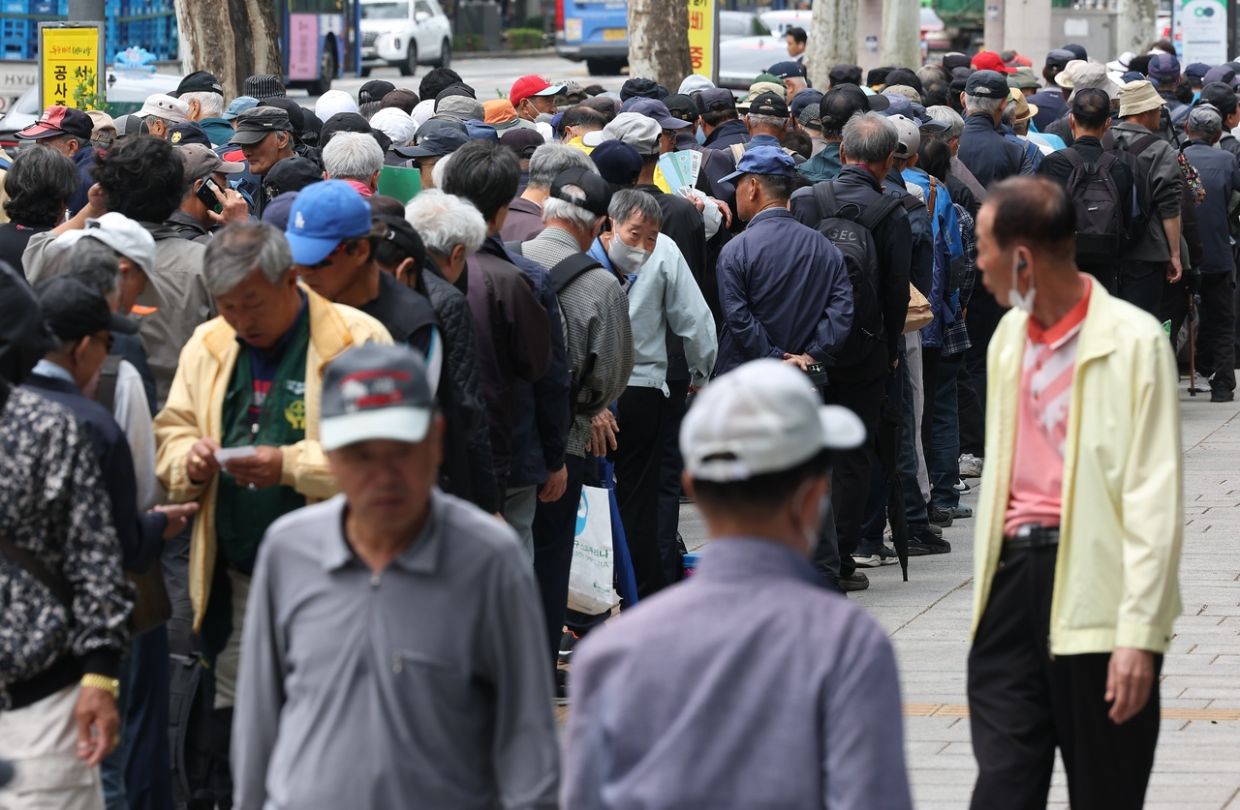
South Korea's capital is examining whether it can extend a long-standing transit benefit by offering free or heavily subsidised bus fares to residents aged 70 and older, building on the decades-old practice of providing complimentary subway access to those 65 and above. The Seoul Metropolitan Council's transportation committee approved the ordinance in mid-June, with a full council vote scheduled shortly afterwards, though the measure has ignited considerable debate about fiscal sustainability and the precedent it might set for future entitlements. The proposal would apply to regular city and neighbourhood buses whilst excluding express and intercity services, leaving questions about how broadly the programme would actually be deployed once approved.
The initiative carries significant weight because it directly addresses a campaign commitment made by Seoul Mayor Oh Se-hoon during South Korea's recent local elections. His administration has positioned the measure as a fairness issue, arguing that the current system creates genuine disadvantage for seniors living far from subway stations or dependent primarily on bus networks for their daily movements. Under existing arrangements, free subway rides for those 65 and above contrast sharply with the requirement that seniors still pay bus fares, potentially forcing older residents into using more expensive transport or remaining isolated in less accessible parts of the city. This gap in coverage forms the intellectual foundation of the proposal, presenting it not simply as a new welfare expansion but as a logical completion of existing transportation equity commitments.
However, Seoul's fiscal position raises legitimate concerns about affordability and long-term sustainability. City economists have calculated that universal free bus fares for all residents aged 70 and above would require approximately 104.7 billion won (US$68 million) in the first year, assuming implementation in 2027. Those figures become more daunting when projected forward: as Seoul's population aged 70-plus grows from roughly 1.27 million currently to an estimated 1.63 million by 2031, annual costs could balloon to 127.5 billion won, with five-year expenditure totalling nearly 579 billion won. These projections assume no inflation adjustments or service expansion, making them conservative estimates of the actual fiscal burden the city might ultimately face.
The timing of this proposal is particularly complicated because Seoul already shoulders substantial transportation subsidies that continue mounting. The city compensated private bus operators for operating losses exceeding 450 billion won in the previous year alone, on top of paying for the existing free subway programme for seniors and other eligible groups. Seoul Metro has repeatedly warned that free senior subway rides represent one of its largest financial drains, generating transportation losses averaging 364.5 billion won annually over the past five years, reaching 448.8 billion won in 2025. Layering an additional bus subsidy atop these commitments raises reasonable questions about whether the city government is building unsustainable obligations that future administrations will struggle to maintain.
Adding urgency to the cost concerns are recent court rulings affecting ordinary wages in South Korea, decisions expected to increase labour costs throughout the bus industry in the coming years. This regulatory headwind means that even if current subsidy levels were frozen, the effective cost of maintaining those subsidies would rise automatically as wages climb. The combination of growing senior populations, expanded programme coverage, and rising operational costs creates a fiscal trifecta that policy experts warn demands careful evaluation. Sohn Jong-pil, a senior researcher at the Fiscal Reform Institute, has cautioned that once cash-type welfare programmes commence, they become politically extremely difficult to reverse or scale back, regardless of changing economic circumstances.
Other South Korean regions have already moved down this path, providing a preview of what Seoul might expect. Daegu began rolling out free bus rides for seniors in 2023 and plans to progressively lower the eligibility age from 75 to 70 by 2028, essentially committing to an expanding subsidy as demographic trends unfold. Daejeon offers free bus rides to residents 70 and above, whilst Incheon announced plans to launch a comparable programme for those 75 and above during the current year. These regional initiatives establish that the practice is becoming normalised across South Korea's major metropolitan areas, potentially creating political pressure on Seoul to match comparable cities or risk appearing less generous to elderly constituents.
The Seoul city government has attempted to temper cost anxieties by emphasising that the ordinance creates a legal framework rather than mandating immediate universal free bus rides for all seniors aged 70 and above. According to city officials, the measure provides flexibility to policymakers in determining actual eligibility criteria, benefit levels, and programme scope. Rather than assuming open-ended free access, Seoul could theoretically target low-income seniors, cap the number of subsidised trips per month, restrict support to off-peak hours, or provide partial fare discounts instead of complete exemptions. This flexibility potentially allows the city to introduce the programme at a more manageable cost whilst preserving political credit for establishing the benefit.
Proponents of this gradualist approach argue that headline cost estimates may exaggerate the actual financial burden by assuming maximum programme scope. By starting with narrower eligibility or partial subsidies, the city could gain operational experience and manage taxpayer expectations before contemplating expansion to universal coverage. The ordinance essentially creates legal permission to experiment with senior bus support rather than committing immediately to the most expensive possible implementation. This distinction matters considerably when evaluating whether the city truly cannot afford the programme or whether it cannot afford the most expansive version of the programme.
Nevertheless, critics raise a fundamental political economy objection: Seoul simultaneously argues that it cannot shoulder free subway ride costs—a claim supported by Seoul Metro's consistent portrayal of senior subsidies as unsustainable—whilst now proposing to introduce another major transportation benefit. This apparent contradiction undermines the credibility of official cost warnings and invites legitimate questions about whether fiscal constraints are genuine obstacles or merely inconvenient obstacles to be overcome when politically convenient. The concern extends beyond simple budgeting; once a benefit is established and becomes part of citizens' expectations, reversing course becomes extraordinarily difficult regardless of fiscal realities, essentially locking future administrations into spending commitments they did not create.
For Malaysian and broader Southeast Asian policymakers, Seoul's dilemma offers an instructive case study in the long-term fiscal consequences of demographic transition. South Korea's rapid ageing population means that social support costs automatically increase even without policy changes, and choosing to expand benefits during this period compounds the structural fiscal challenge. Malaysia, facing its own ageing demographic trajectory though several decades behind South Korea's stage of development, can observe how early expansion commitments eventually become strains on public budgets. The lesson extends beyond transportation: once entitlements are established, they acquire political constituencies and become resistant to reform, even when economic conditions change or when fiscal authorities identify more pressing needs.
The Seoul Metropolitan Council's decision on the ordinance will likely reflect political calculations rather than pure fiscal analysis. Regardless of whether the measure passes, however, the underlying challenge remains: how should rapidly ageing societies distribute limited public resources between maintaining existing services, funding new programmes for elderly residents, and addressing other pressing urban needs? Seoul's debate is fundamentally about intergenerational equity and the sustainability of welfare systems designed for younger populations suddenly serving much older populations. The city's eventual choice will signal whether demographic change drives expansion of public generosity or forces difficult prioritisation of social spending—a question with profound implications for other East Asian societies experiencing similar age-driven transitions.
%22%2F%3E%3C%2Fpattern%3E%3C%2Fdefs%3E%3Crect%20width%3D%22100%25%22%20height%3D%22100%25%22%20fill%3D%22url(%23ph3lvh1g)%22%2F%3E%3Crect%20width%3D%22100%25%22%20height%3D%22100%25%22%20fill%3D%22url(%23ph3lvh1p)%22%2F%3E%3Ctext%20x%3D%2250%25%22%20y%3D%2250%25%22%20text-anchor%3D%22middle%22%20dominant-baseline%3D%22central%22%20fill%3D%22rgba(255%2C255%2C255%2C0.95)%22%20font-family%3D%22Georgia%2C%20'Times%20New%20Roman'%2C%20serif%22%20font-weight%3D%22700%22%20font-size%3D%22320%22%20letter-spacing%3D%22-0.02em%22%3EPM%3C%2Ftext%3E%3C%2Fsvg%3E)