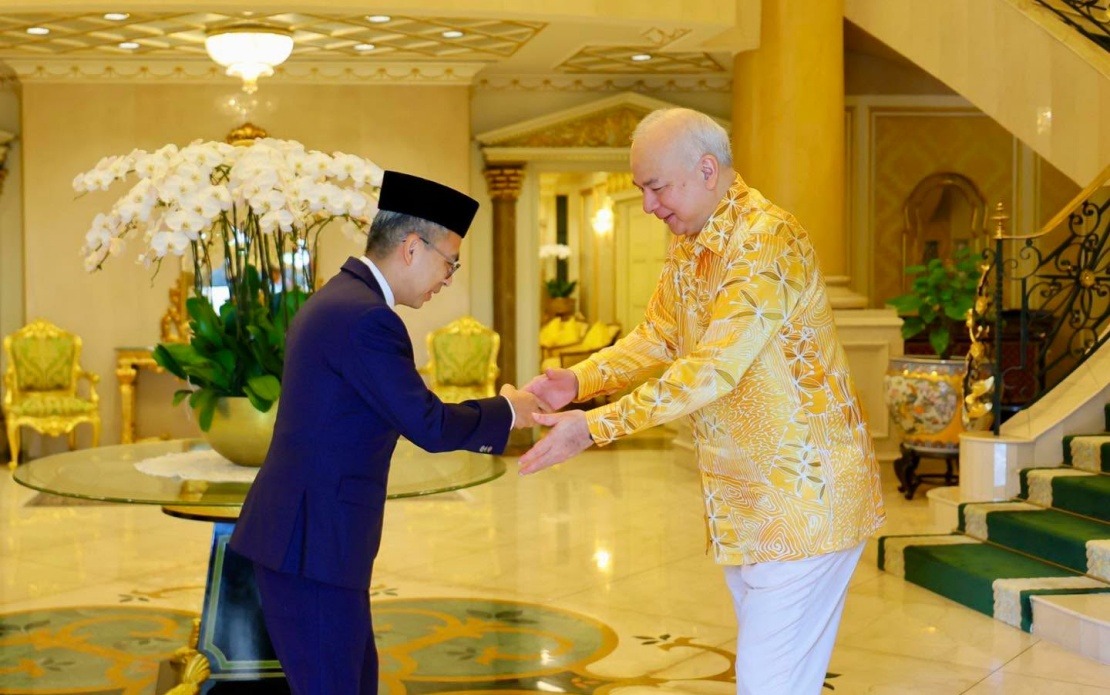
Communications Minister Datuk Fahmi Fadzil recently received an audience with the Sultan of Perak, Sultan Nazrin Shah, where he presented an overview of the federal government's strategic initiatives to enhance the state's digital connectivity landscape. During the meeting, Fahmi outlined comprehensive plans aimed at upgrading communication infrastructure across Perak and broadening the reach of telecommunications services to underserved communities throughout the state.
The briefing represented part of the ministry's ongoing engagement with state-level leadership to ensure that regional development priorities align with national connectivity objectives. As Perak continues to balance economic growth with social development, the state faces particular challenges in delivering reliable broadband and telecommunications services across both urban centres and rural districts. The sultanate's involvement in these discussions underscores the importance the government places on ensuring equitable digital access for all Perak residents.
Beyond infrastructure expansion, the conversation also touched upon the critical issue of online safety—a growing concern across Malaysia as digital penetration increases and more citizens come online for commerce, education, and social interaction. Sultan Nazrin's particular interest in this dimension reflects broader awareness among state leadership about the need for robust safeguards protecting vulnerable users, especially children and the elderly, from cybercrime and harmful online content.
The ministry's engagement with the Sultan demonstrates recognition that strengthening communication infrastructure requires not merely technical deployment but also coordination with state authorities and careful attention to social implications. Fahmi's willingness to discuss online safety alongside infrastructure plans indicates a more holistic approach to digital development—one that considers not only speed and coverage but also user protection and responsible digital citizenship.
For Perak specifically, improved communication infrastructure carries significant economic implications. The state's manufacturing sector, agricultural operations, and emerging digital economy all depend on reliable connectivity. Rural communities increasingly require dependable internet access for educational purposes, healthcare services, and market participation. Enhanced infrastructure investment could unlock economic opportunities that have previously remained constrained by connectivity limitations.
The timing of this briefing also reflects the ministry's broader digital agenda as Malaysia positions itself within Southeast Asia's competitive telecommunications landscape. Regional neighbours are making substantial investments in 5G networks, fibre-optic coverage, and emerging technologies. Perak's development trajectory will influence Malaysia's overall digital competitiveness, particularly given the state's geographic position and demographic diversity.
Online safety initiatives discussed during the audience likely encompassed several dimensions: protection against cybercrime targeting businesses and individuals, safeguarding of children's online experiences, prevention of misinformation and disinformation, and support for digital literacy programmes. These concerns are particularly acute in states like Perak where digital adoption has been rapid but awareness about cyber risks remains inconsistent across different demographic groups.
The Sultan's engagement in these matters reflects the constitutional role of state rulers in supporting their subjects' welfare and prosperity. By involving the monarchy in digital governance discussions, the ministry signals that infrastructure development and online safety are not merely technical or administrative matters but fundamental aspects of good governance affecting citizens' quality of life.
Malaysia's communication infrastructure development has historically concentrated on urban areas, where return on investment appears more attractive to both public and private sector players. Rural Perak faces particular challenges, with many communities relying on mobile networks that may lack the speed and reliability of fibre or advanced wireless technologies. Government intervention and investment become essential in these areas where commercial providers have limited incentive to expand coverage.
The briefing also occurs within a broader context of Malaysia's Digital Economy Blueprint and various state-level digital transformation initiatives. Perak's own development plans increasingly emphasise technology adoption in agriculture, tourism, manufacturing, and public services. Communication infrastructure serves as foundational enablement for these sectoral transformations, making it central to the state's medium-term economic strategy.
Fahmi's concluding remarks expressing prayers for the Sultan's health and wellbeing reflect customary courtesies but also underscore the collaborative nature of government operations. Effective policy implementation in Malaysia's federal system requires coordination and mutual respect between central government ministries and state-level authorities. The Sultan's accessibility to federal ministers and willingness to discuss substantive governance matters facilitates this cooperation.
Looking forward, the outcomes of this briefing may inform resource allocation decisions affecting Perak's digital infrastructure over coming years. Whether the state receives additional federal funding, priority consideration for 5G deployment, or enhanced broadband expansion programmes will depend partly on how priorities articulated during such conversations translate into budgetary and policy decisions within the ministry. For Malaysian citizens in Perak, the implications of improved communication infrastructure and enhanced online safety measures could include faster internet speeds, broader coverage areas, and greater protection against digital threats.