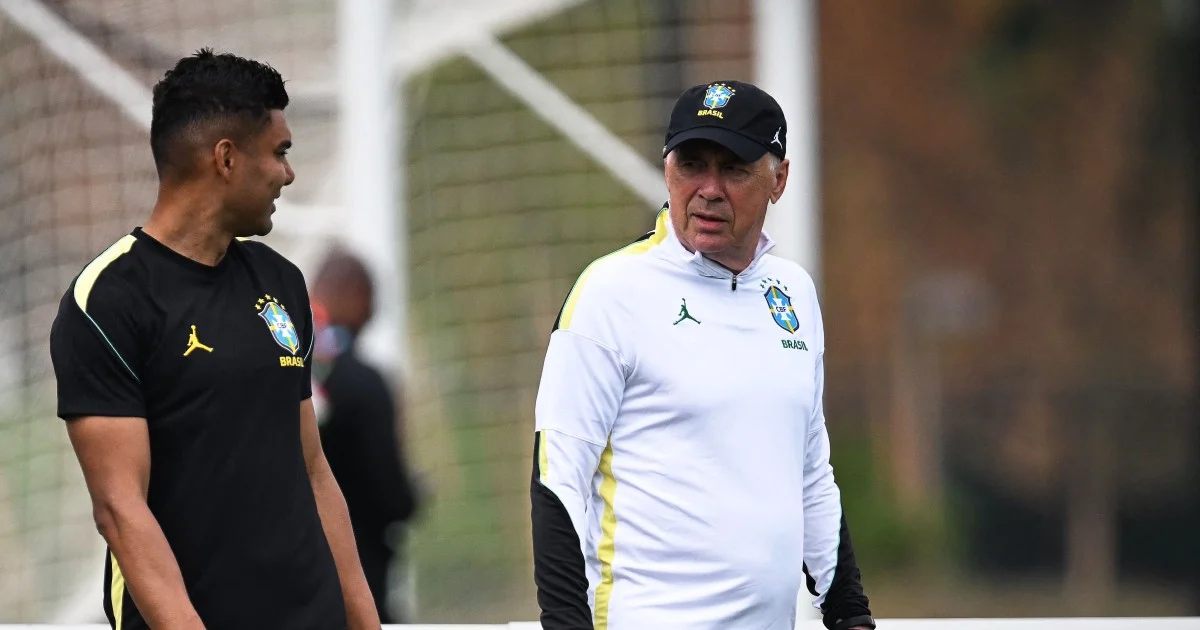
Carlo Ancelotti's measured demeanour following Brazil's opening World Cup fixture reflects the seasoned Italian tactician's experience navigating high-pressure tournaments. Despite his squad's inability to overcome Morocco in their Group C opener, the veteran manager steered clear of alarm rhetoric on Friday, instead positioning the upcoming clash with Haiti as an opportunity to address the technical and tactical deficiencies that emerged during the 1-1 draw in Philadelphia.
The goalless first half followed by Morocco's breakthrough and Brazil's levelling response painted a picture of a side lacking the cutting edge and defensive solidity expected of five-time World Cup champions. Ancelotti, who has overseen some of Europe's most demanding campaigns at Real Madrid and other elite clubs, recognises that tournament football demands gradual progression rather than perfection from the outset. His refusal to engage in panic represents not complacency but rather the strategic patience required when managing such a heavyweight programme.
For Malaysian and Southeast Asian football audiences observing the tournament, Ancelotti's composure offers a masterclass in how experienced managers approach adversity at the World Cup stage. The Brazilian squad, despite its individual brilliance, appeared disjointed in possession during stretches, suggesting that integrating fresh players and tactical adjustments would be essential. Morocco's performance demonstrated that Caribbean and African nations, while competing at different resource levels, possess sufficient tactical organisation and resilience to trouble even traditional powerhouses when permitted space and opportunity.
The Haiti fixture represents a distinctly different examination. Where Morocco's well-drilled defensive structure posed problems for Brazil's attacking rhythm, Haiti will likely adopt a more direct and physically demanding approach. This variance in opponent profile gives Ancelotti multiple pathways to implement solutions: he may experiment with tactical formations, adjust pressing triggers, or shuffle his midfield personnel to generate greater control. The coach's calmness suggests he views the team's foundation as sound, with refinement rather than overhaul required.
Brazil's historical dominance in World Cup competitions stems partly from their ability to absorb opening-match disappointments and respond with clinical subsequent performances. The Morocco draw, while undeniably frustrating, scarcely represents a catastrophic outcome given the tournament's group-stage structure and the relatively forgiving remaining fixtures. With Haiti and potentially a third opponent in their group stage to navigate before knockout football, Brazil retain significant latitude to accumulate the points necessary for progression while testing various combinations and approaches.
Ancelotti's media posture carries psychological importance beyond mere tactical discussion. By eschewing drama and maintaining professional equanimity, he transmits confidence to his players, suggesting that one match's shortcomings need not define their tournament trajectory. This messaging proves particularly vital in World Cup environments where external pressure, media speculation, and supporter anxiety can rapidly spiral into corrosive internal doubt. The coach's steady demeanour inoculates his team against panic-driven tactical overreactions or personnel changes made in desperation rather than reason.
The specific defensive and midfield issues exposed against Morocco demand concrete adjustment. Brazil's difficulty in transitioning from defence to attack fluently, combined with occasional vulnerability to Morocco's counter-pressing, indicated areas where personnel positioning or rotational timing required recalibration. Whether Ancelotti addresses these through substitution, formation change, or instructional refinement will signal his diagnostic assessment of the performance. His calm certainty suggests he has identified specific, addressable factors rather than systemic problems requiring wholesale reconstruction.
From a regional perspective, this moment illuminates the growing competitiveness of international football. Morocco's ability to frustrate Brazil while achieving a respectable draw demonstrates that the tournament's apparent hierarchy, while still generally predictive, permits significant variance in outcome. Southeast Asian nations monitoring such developments observe that established football powers no longer enjoy the overwhelming advantage of previous decades, creating conceptual openings for strategic innovation and tactical sophistication to partially compensate for resource disparities.
Haiti's role in this contest extends beyond mere opposition. As a nation with limited recent World Cup experience and substantially different conditioning circumstances than Brazil's European-based professionals, the match provides Ancelotti an ideal testing ground for tactical experimentation with reduced stakes. He can implement specific refinements to pressing patterns, transition sequencing, or attacking shape without catastrophic consequences if execution proves imperfect. This pedagogical aspect of group-stage football often receives insufficient recognition, yet matches against lesser-ranked opponents frequently determine which adjustments prove effective before knockout football demands flawless implementation.
Looking forward, Brazil's progression through Group C depends not on perfection in any single match but on cumulative point accumulation and progressive performance improvement. Ancelotti's composure reflects this mathematical reality. One draw, while suboptimal, scarcely determines group outcomes. By maintaining steady perspective and methodical problem-solving, the coach positions Brazil to build momentum toward the tournament's critical stages when consistency and tactical mastery become essential. His Friday fixture against Haiti offers precisely the platform required to demonstrate that his squad's opening-match flaws represent correctable execution issues rather than fundamental limitations.


