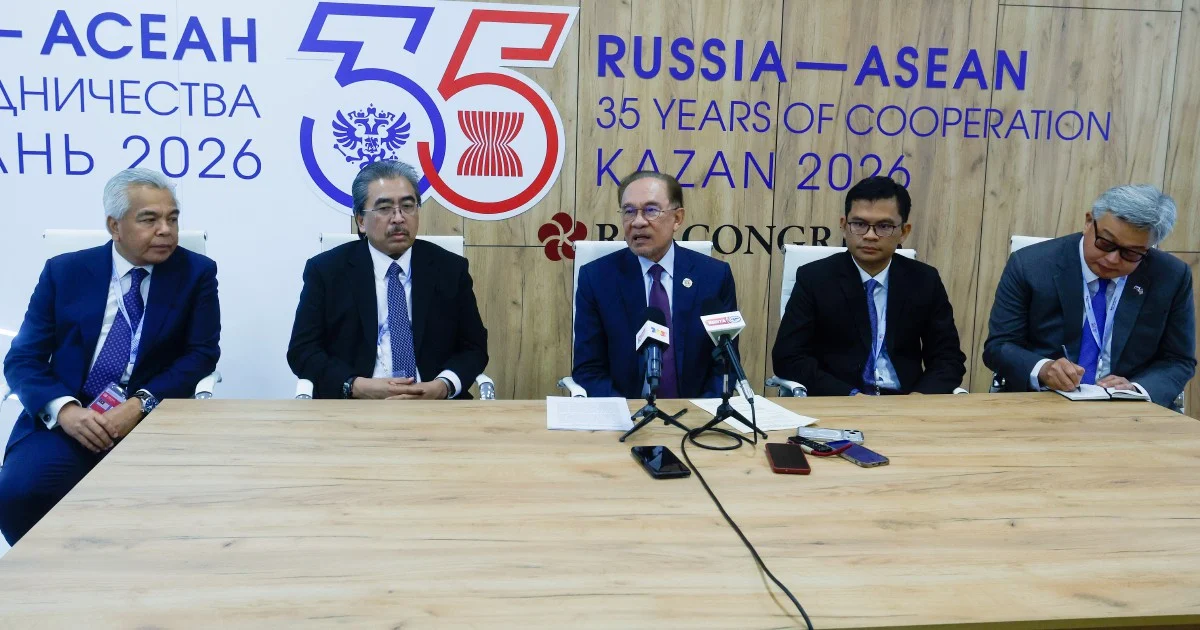
Prime Minister Datuk Seri Anwar Ibrahim has thrown his weight behind an accelerated rollout of visa-free travel privileges for Russian tourists, signalling that Kuala Lumpur views simplified entry procedures as essential to rebooting the country's struggling tourism economy. The directive, delivered in Kazan, reflects the government's determination to diversify Malaysia's visitor base and restore the sector to pre-pandemic performance levels through strategic facilitation measures.
The push for faster implementation of visa-free arrangements with Russia comes at a critical juncture for Malaysian tourism, which has faced headwinds from shifting global travel patterns and heightened competition within Southeast Asia. By removing visa barriers for Russian nationals, Malaysia aims to tap into a substantial pool of leisure travellers and business visitors whose spending power could deliver meaningful revenue to the hospitality, retail, and entertainment industries. The timing also signals Malaysia's intent to deepen bilateral relations with Russia across multiple dimensions, using tourism as a practical vehicle for strengthening economic ties.
Anwar's intervention reflects broader recognition within government that bureaucratic bottlenecks in visa processing have historically deterred potential visitors from several key markets. Russian tourists, in particular, represent a valuable demographic—typically staying longer than average international visitors and spending substantially on accommodation, dining, and shopping during their time in the country. Streamlining entry procedures removes a friction point that might otherwise lead travellers to select alternative destinations in Thailand, Indonesia, or Vietnam, all of which have competed aggressively for the Russian tourist market.
The visa-free arrangement sits within a larger framework of tourism liberalisation initiatives that Malaysia has pursued over the past year. The government has similarly expedited visa policies for travellers from other nations and promoted digital entry systems designed to reduce processing times and administrative complexity. These moves acknowledge that in an era of intense regional competition for tourist dollars, nations that simplify travel logistics gain a measurable advantage in attracting first-time and repeat visitors.
From a geopolitical perspective, accelerating Russian travel access reflects Malaysia's careful navigation of great-power dynamics. The country maintains balanced foreign relations and has sought to strengthen economic partnerships with Russia despite international sanctions and political tensions elsewhere. Tourism facilitation serves as a non-controversial platform for bilateral engagement, allowing Malaysia to demonstrate openness to Russian interests without taking controversial political positions. Enhanced people-to-people contact through travel can lay groundwork for deeper commercial relationships in other sectors.
Russian outbound tourism has shown resilience despite global challenges, with Russian travellers increasingly seeking destinations beyond Europe as geopolitical circumstances shift travel patterns. Malaysia, with its reputation for safety, cultural diversity, and natural attractions spanning beaches, rainforests, and modern urban centres, holds genuine appeal for Russian visitors seeking variety and value. The willingness to facilitate their entry represents a pragmatic recognition of where demand exists and where Malaysia can compete effectively.
Implementation of visa-free travel typically involves coordination across multiple agencies—immigration authorities, tourism boards, security services, and diplomatic representatives must align their protocols and capacity. Anwar's expedited directive signals that these organisations should prioritise this initiative despite competing demands on their resources. Such high-level pressure can accelerate what might otherwise be a lengthy process of inter-agency negotiation and regulatory adjustment, demonstrating the political importance attached to tourism recovery.
The move also carries implications for Malaysia's regional standing within ASEAN. Several neighbouring countries have pursued aggressive tourism promotion strategies featuring visa liberalisation or simplified entry processes. Malaysia risks losing market share if it moves slower than competitors, particularly given its historical position as a regional tourism leader. Reasserting competitiveness through expedited visa-free access for major source markets represents a necessary calibration to ensure Malaysia retains and grows its share of international visitor arrivals.
Economically, tourism receipts have become increasingly important to Malaysia's revenue base, with the sector accounting for substantial foreign exchange earnings and employment across multiple industries. The recovery trajectory remains uneven compared to pre-pandemic levels, with certain markets showing stronger rebound than others. Targeting Russians specifically reflects data-driven analysis of where expansion opportunities lie and which demographics offer the highest yield per visitor. Visa facilitation removes a barrier that analysis has identified as measurable drag on conversion rates.
Beyond immediate tourism metrics, visa-free travel fosters cultural exchange and people-to-people diplomacy that can yield long-term strategic dividends. Russian visitors who experience Malaysia's hospitality, natural environment, and cultural richness become informal ambassadors upon return to Russia. Positive travel experiences generate word-of-mouth promotion that marketing budgets cannot purchase, making efficient visitor acquisition through relaxed entry requirements a particularly cost-effective strategy.
The implementation timeline remains crucial. Expedited directives from prime ministerial level can sometimes encounter delays at bureaucratic levels where practical obstacles emerge or resource constraints bite. Success will depend on whether supporting agencies have clarity regarding their specific responsibilities, adequate staffing to handle increased processing volume, and systems capable of authenticating Russian travellers without security compromise. The government must balance speed with rigorous vetting to avoid security vulnerabilities.
Anwar's Kazan intervention signals that tourism revival occupies genuine strategic importance within his administration's economic agenda. The willingness to personally champion visa facilitation underscores that this is not merely a tourism ministry initiative but a whole-of-government priority. Whether accelerated implementation translates into meaningfully increased Russian visitor arrivals will provide an early test of whether simplified entry procedures actually convert willing travellers into booking tourists, or whether other factors constrain demand.


