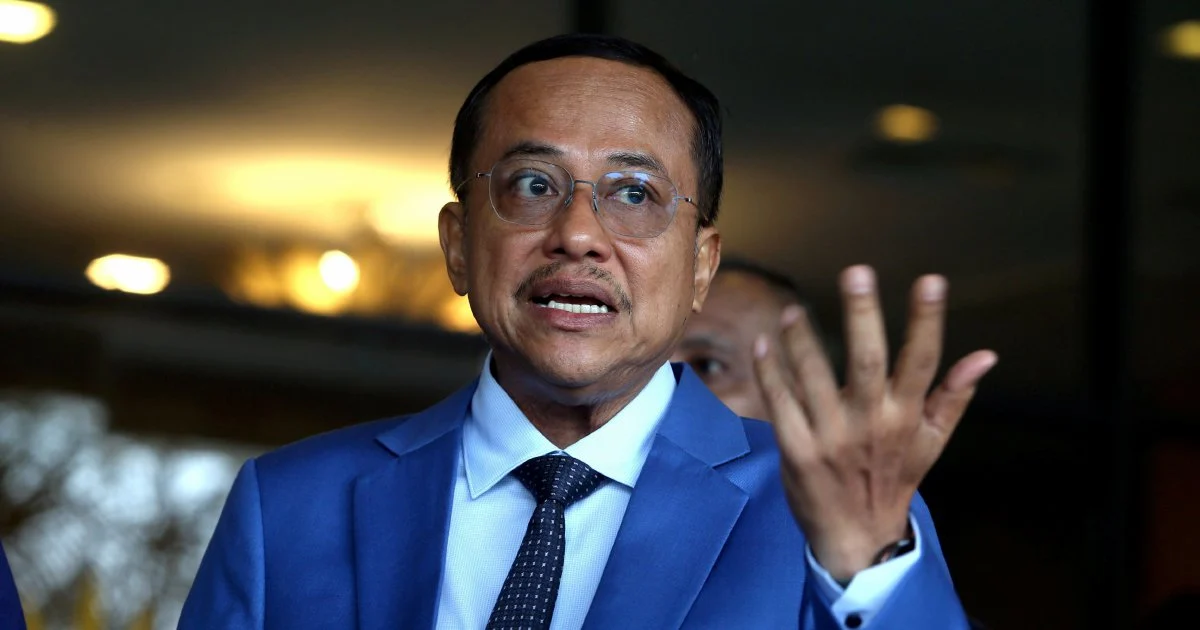
Datuk Tun Faisal Ismail Aziz, serving as Bersatu's chief spokesperson, has launched a sharp rebuke at Perikatan Nasional chairman Datuk Seri Dr Ahmad Samsuri Mokhtar, alleging severe dereliction of duty at a critical juncture for the opposition coalition. The criticism exposes deepening fractures within PN, the main parliamentary opposition bloc that has struggled to maintain cohesion as member parties pursue competing agendas and leadership interests.
Faisal's accusations strike at the heart of PN's governance structure, contending that Samsuri has essentially abdicated his position as coalition chairman while remaining Pas president. This conflation of roles has created a vacuum in coalition leadership precisely when unified direction appears most necessary. The distinction between leading a single party and stewarding a multi-party alliance represents a fundamental difference in scope and responsibility—one that critics argue Samsuri has failed to appreciate or navigate successfully.
The timing of Bersatu's public censure carries significant weight within Malaysian opposition politics. PN was established as a coalition uniting Pas, Bersatu, and smaller parties to present a unified alternative to the Pakatan Harapan-led government. However, persistent internal disagreements over strategy, candidate selection, and policy direction have undermined its effectiveness. Bersatu's decision to voice discontent openly suggests the coalition's management challenges have reached a tipping point where private conversations have yielded insufficient results.
Samsuri's background as Pas president creates an inherent conflict of interest that Faisal's criticism highlights. Leading both a major party and a multiparty coalition requires careful attention to ensuring neither entity receives preferential treatment at the other's expense. The accusation that Samsuri appears to have forgotten his coalition chairman role implies a pattern of decision-making that prioritizes Pas interests over broader coalition considerations. Such perceived imbalance can poison internal relationships and encourage smaller coalition members to question their continued participation.
For Malaysian observers, this internal PN turmoil carries implications extending beyond opposition politics. A fractious and poorly-managed opposition coalition ultimately weakens parliamentary scrutiny and debate quality. Effective governance benefits from vigorous challenge and alternative policy perspectives. When the main opposition force appears preoccupied with internal management crises rather than substantive policy development or constructive criticism of government initiatives, the national discourse suffers.
The broader Southeast Asian context also merits consideration. Regional democracies benefit when opposition coalitions function as credible alternatives capable of articulating coherent positions on regional integration, economic policy, and strategic relationships. Malaysia's opposition political divisions create space for other actors to shape regional narratives with less counterweight from domestic political forces.
Bersatu's willingness to publicly criticize coalition leadership reflects its determination to protect its own interests and influence within PN. As a significant coalition component, Bersatu cannot afford to remain silent when it perceives structural problems undermining the alliance's potential. The party has invested considerable political capital in PN's formation and maintenance, making visible frustration with coalition management a rational response to governance failures that threaten its strategic investments.
The accusations also suggest deeper questions about whether PN's organizational structure adequately addresses the challenges of coordinating multiple parties with distinct constituencies, ideologies, and leadership structures. Coalition politics demands strong mechanisms for resolving inter-party disputes, transparent decision-making processes, and regular consultation among member party leaders. Allegations that the chairman has become effectively invisible in his coordinating role indicate such mechanisms may be malfunctioning or absent entirely.
Faisal's characterization of Samsuri's leadership as "very irresponsible" elevates the rhetorical intensity, moving beyond procedural criticism into moral territory. This language choice suggests not merely disagreement over management approaches but fundamental frustration regarding Samsuri's commitment to the broader coalition project. For coalition members weighing their continued participation, such public statements from senior figures carry weight in internal deliberations about long-term viability.
The crisis within PN must be understood as part of Malaysia's complex opposition landscape, where multiple blocs compete for influence and relevance. PKR, Dap, and other Pakatan Harapan components have experienced their own internal tensions, but PN's more recent formation means it lacks the institutional experience in managing multiparty coordination that PH has accumulated over longer operation. This relatively limited track record in coalition management becomes evident when serious disagreements emerge without clear resolution mechanisms.
Moving forward, Samsuri faces a critical test of his leadership tenure. He can either recommit to active, balanced coalition stewardship that addresses member concerns, or risk further defections and a complete loss of PN cohesion. Faisal's public criticism effectively puts the PN chairman on notice that continued inaction invites escalating criticism and potentially destabilizing organizational responses from coalition members unwilling to accept what they perceive as abdicated leadership.
The outcome of this internal PN dispute will likely shape opposition dynamics heading toward Malaysia's next general election. A coalition that cannot manage its own internal affairs convincingly will struggle to present voters with confidence that it could effectively govern should it come to power. Conversely, if PN's member parties successfully address governance failures and reassert coalition discipline, it could strengthen its electoral positioning by demonstrating capacity to resolve complex coordination challenges.


