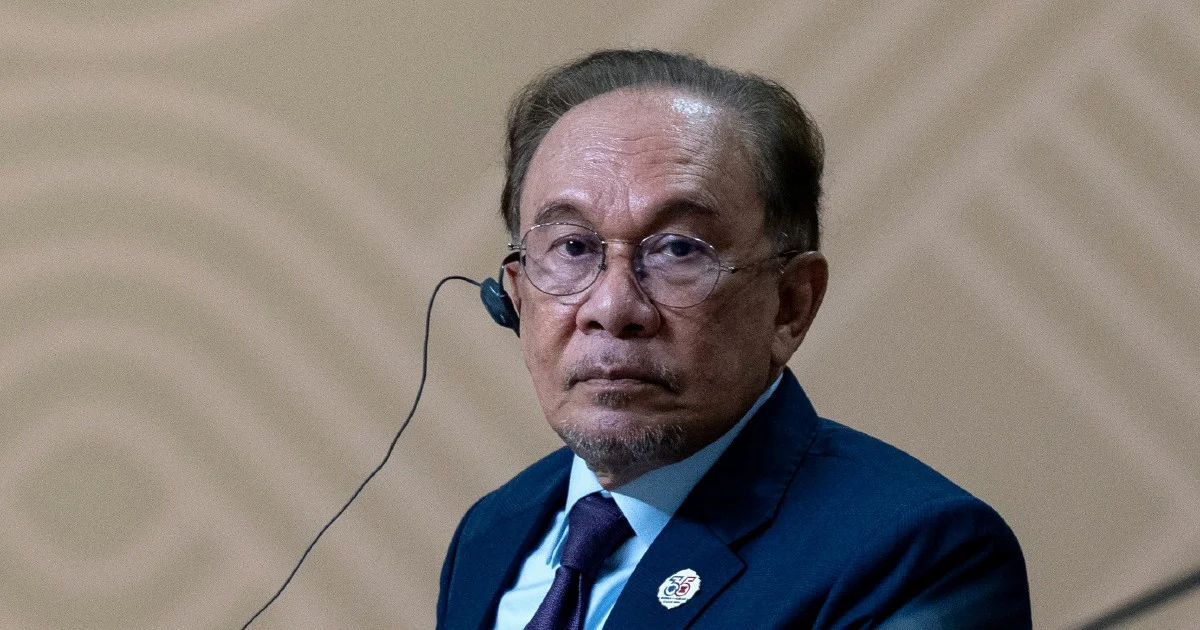
The High Court in Kuala Lumpur has delivered a ruling that effectively removes Prime Minister Datuk Seri Anwar Ibrahim from his obligation to provide testimony as a witness in an ongoing RM30 million civil dispute. The decision to set aside the subpoena represents a significant development in the case against businessman Datuk Vinod Balachandra Sekhar and his wife, as it eliminates one of the key witnesses that had been summoned to provide evidence during court proceedings.
The circumstances surrounding this civil matter touch upon sensitive areas of Malaysia's legal and political landscape. When a sitting head of government is drawn into civil litigation as a potential witness, questions inevitably arise regarding the separation of powers, the demands on executive time, and the appropriate balance between ensuring comprehensive justice and protecting the functioning of high office. The court's decision to quash the subpoena signals judicial recognition of these broader constitutional considerations.
For Malaysian legal practitioners and observers of the courts, this ruling provides important precedent regarding when a Prime Minister or other senior state officials may reasonably be excused from giving live testimony in private civil disputes. The threshold established by the court suggests that the demands of governing the nation take practical priority over routine witness summons, even in cases involving substantial financial amounts. This distinction becomes crucial in a federation like Malaysia, where the Prime Minister's schedule encompasses not only legislative duties but also executive responsibilities spanning defence, security, and diplomatic relations.
The RM30 million sum at issue in the underlying dispute indicates a commercially significant disagreement, likely involving complex contractual or business arrangements between the parties. Despite the magnitude of the financial claim, the High Court evidently concluded that the Prime Minister's direct evidence was not indispensable to resolving the dispute, or that alternative means of establishing necessary facts could be employed without requiring the head of government to attend court.
This decision also reflects broader jurisprudential principles that govern the compulsion of witnesses in common law jurisdictions like Malaysia. Courts traditionally balance the legitimate need to examine witnesses against the practical constraints imposed on public officials and the wider public interest in ensuring government continuity. The ruling demonstrates that Malaysian judges are not inclined to treat subpoenas issued against the Prime Minister as routine administrative matters, but rather as decisions requiring careful judicial scrutiny.
For observers tracking political-legal interactions in Malaysia, the outcome underscores that judicial independence remains intact even when cases touch upon the country's highest political office. The court acted on legal merits rather than political deference, examining whether the subpoena was truly necessary rather than granting blanket immunity. Simultaneously, the ruling acknowledges practical realities that distinguish the position of Prime Minister from ordinary citizens or business persons.
The case involving Datuk Vinod Balachandra Sekhar and his spouse will now proceed without requiring the Prime Minister's live testimony. This streamlines the litigation process and ensures that the respondent and other parties can pursue their claims through whatever evidence remains available. Counsel for the plaintiff or claimant must now identify alternative witnesses and documentary evidence capable of establishing their case.
The implications of this judgment extend beyond the immediate parties involved. It signals to the Malaysian legal community how future applications seeking to compel the appearance of sitting ministers, the Prime Minister, or other high-ranking officials should be structured and justified. Future applicants will need to demonstrate with particular clarity why the witness evidence is critical and cannot reasonably be obtained through other means.
Regionally, Malaysia's approach aligns with common practice in other Commonwealth jurisdictions, where senior political figures retain certain protections from routine compulsion to attend court, though outright immunity is generally not absolute. This balanced approach maintains confidence in judicial processes while respecting the functional requirements of governing large, complex modern states.
The resolution of this subpoena issue does not necessarily conclude the entire RM30 million civil suit. The case will continue through other avenues of evidence gathering and court proceedings. However, the High Court's decision removes a procedural complication that had potentially threatened to entangle the Prime Minister directly in extended courtroom testimony, a prospect that would have created logistical challenges for government operations.
Moving forward, the judgment will likely be referenced in subsequent applications involving senior government officials and compulsory witness testimony. Legal practitioners will study the reasoning to understand how Malaysian courts weigh official duties against judicial needs, establishing clearer guidance for future disputes that might similarly implicate high-ranking state functionaries. The decision thus contributes to the developing framework governing the intersection of executive authority and judicial process in Malaysia.