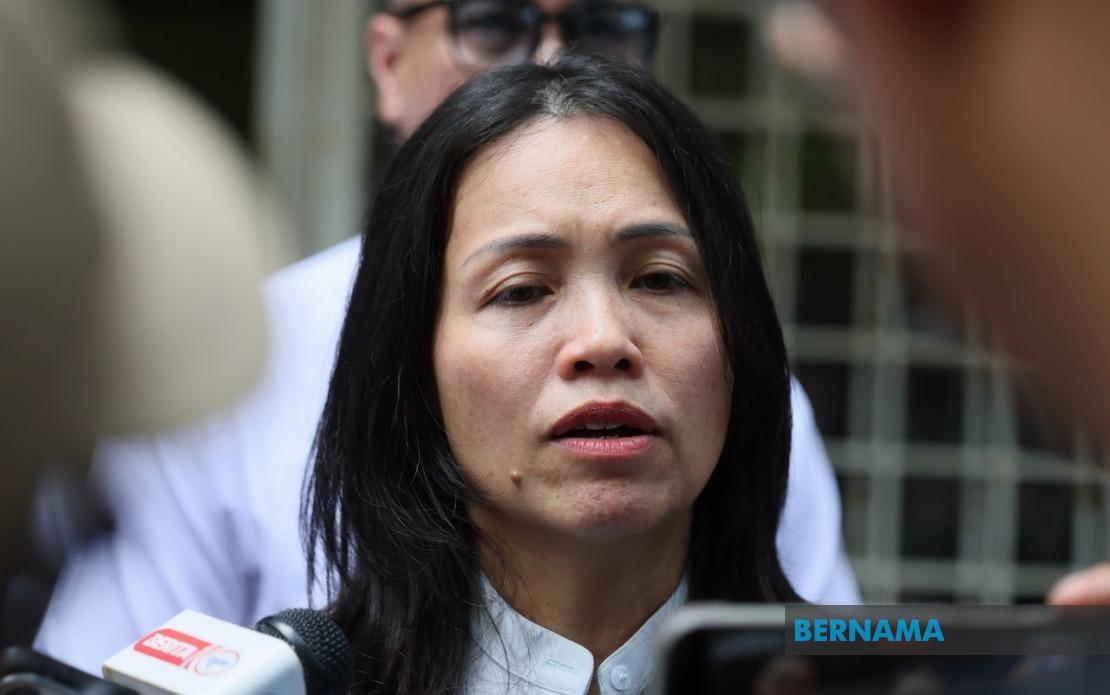
Malaysia's political landscape is bracing for the Johor state election on July 11, but the campaign trail has already become marred by allegations of dirty tactics that organisers fear could undermine democratic principles. Johor DAP chairman Teo Nie Ching has raised alarm over what she describes as deliberately fabricated posters depicting potential Democratic Action Party candidates as Muslim women wearing headscarves in ways that suggest religious impropriety. The coordinated campaign appears designed to sow discord between communities and erode support for Pakatan Harapan among non-Malay voters, particularly within the Chinese electorate that has historically formed a significant portion of the opposition coalition's base in the state.
The manipulation of campaign materials represents a concerning escalation in campaign conduct that goes beyond conventional political attack advertising. By doctoring images to falsely associate DAP candidates with religious symbols and portraying them in a manner intended to offend both Muslim and non-Muslim sensibilities, the perpetrators have employed a strategy designed to weaponise religious identity for political advantage. Such tactics cut across the broader Malaysian political discourse by deliberately stoking religious sensitivities at a time when the nation's leadership has repeatedly emphasised the importance of interfaith harmony and social cohesion. The implications extend beyond the immediate Johor contest, potentially setting precedents for how future elections might be contested if such practices go unchallenged.
Teo's response emphasises DAP's stated commitment to respecting all faith traditions while firmly rejecting the premise underlying the smear campaign. Her assertion that the party has consistently advocated for the rights of all Malaysians irrespective of religious affiliation is positioned as a direct rebuttal to the implication embedded in the altered posters. By framing the manipulation as both religiously insensitive and discriminatory toward women, she has attempted to recast the narrative from one about individual candidates to one about broader democratic values and the character of those engaging in such campaigns. This rhetorical strategy aims to appeal to voters across community lines by positioning the election as a choice between ethical governance and willingness to exploit religious and gender divisions for electoral advantage.
The Deputy Communications Minister's involvement in publicly condemning these tactics underscores official concern about the direction of the campaign. Her intervention suggests that the government views such practices as sufficiently troubling to warrant ministerial attention, implying that relevant authorities may be monitoring the situation and that those responsible could face consequences. The framing of the altered posters as an attack not merely on political opponents but on women themselves represents an attempt to expand the coalition of those who might find such tactics objectionable, potentially mobilising women voters across party lines as defenders of dignity against exploitation.
Johor's political composition heading into this contest reveals a landscape significantly fractured among multiple parties. Barisan Nasional commanded 40 of 56 state seats before dissolution, while Pakatan Harapan held 12 seats, Perikatan Nasional secured three, and independent party MUDA maintained one. This fragmentation means that the campaign will likely be fought on multiple fronts simultaneously, with parties competing not just for direct support but for coalition possibilities in post-election negotiations. The allegations of smear campaigns may resonate differently across these constituencies depending on their respective voter demographics and established positions on identity politics.
The timing of these allegations, emerging well before the June 27 nomination day, suggests that campaign temperatures are already rising significantly in what promises to be a contentious contest. Early entry into negative campaigning could establish a tone that dominates coverage and voter perception throughout the formal nomination period and the two-week sprint to polling day. The fact that such tactics are being deployed now, when many voters may not yet be paying close attention, could indicate an effort to set narratives that prove difficult to dislodge once the formal campaign machinery engages more broadly.
For Malaysian political observers, the episode highlights ongoing tensions between Malaysia's constitutional protection of Islam's special position and the country's commitment to religious freedom and equal citizenship for non-Muslims. Campaign strategies that exploit these tensions carry significant risks to social stability, particularly in a state like Johor where economic interests depend on communal peace and where multiple communities have longstanding commercial and social relationships. Politicians and campaign strategists who believe they can safely engage in religious manipulation may be underestimating the potential for such tactics to trigger broader community responses that extend beyond electoral calculations.
The public nature of Teo's warning also serves a secondary function of documenting the campaign conduct for potential post-election accountability. By calling attention to the manipulated posters through official statements, she creates a record of what occurred and who might bear responsibility should investigations follow. This public accountability mechanism, while imperfect, may serve as a deterrent for some who might otherwise engage in similar tactics, knowing that such activities would be documented and potentially pursued through appropriate channels.
Moving forward, the Johor election will test whether Malaysian voters will reject candidates and parties associated with such divisive campaign methods or whether electoral outcomes will appear to reward practitioners of negative tactics, thus normalising such approaches in future contests. The state's role as a testing ground for political strategies means that patterns established here could well influence how subsequent elections, including any future general election, are contested across the nation. Voters, civil society organisations, and electoral monitors will be watching closely to determine whether the democratic process can be protected from manipulation or whether Malaysia is entering an era of increasingly aggressive identity-based political contestation.