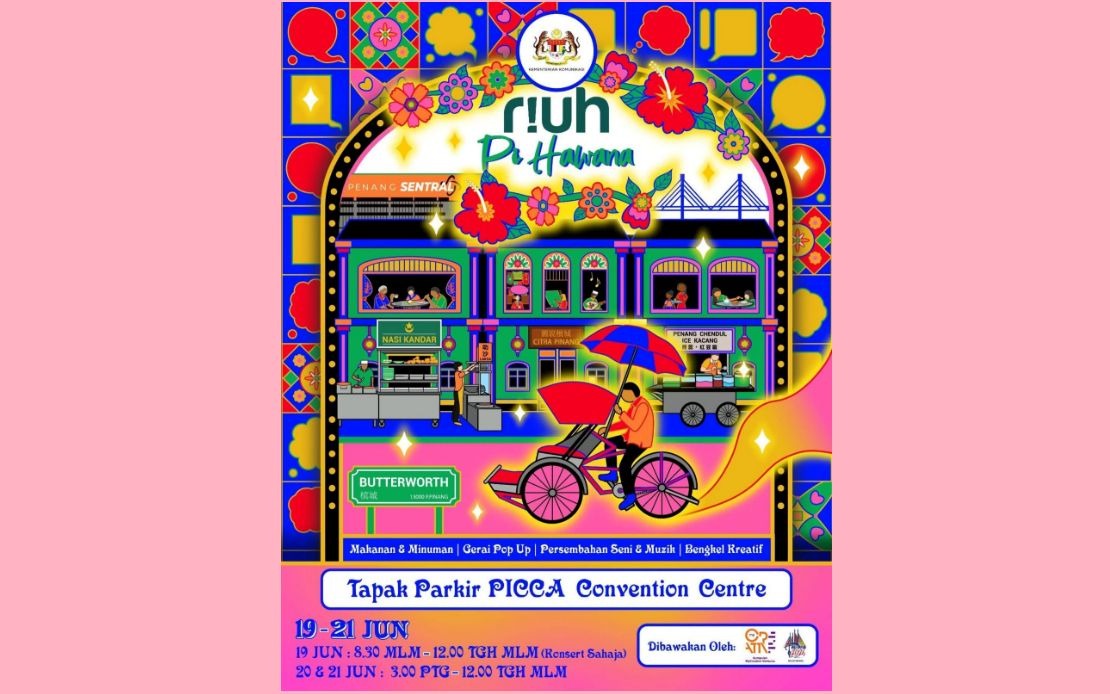
The stage is set for a musical celebration that bridges Malaysia's entertainment past with its vibrant present. Penang's PICCA Convention Centre Parking Lot at Butterworth Arena will transform into a creative hub when the RIUH Pi HAWANA Carnival opens its gates on June 19, drawing together three decades-defining acts—Exists, Bunkface and Masdo—to anchor a three-day extravaganza dedicated to music, arts and community storytelling. Organised by MyCreative Ventures in tandem with the National Journalists' Day (HAWANA) 2026 observance, the event promises an atmosphere where nostalgia mingles with contemporary energy, delivered across operating hours that shift with the weekend: evening performances from 8.30 pm to midnight on Friday give way to extended daytime-to-night programming from 3 pm onwards through Sunday's close.
The carnival's scheduling reflects its dual purpose as both entertainment spectacle and cultural landmark. Exists will inaugurate the musical programming on June 19, establishing the nostalgic tone that undergirds the weekend's thematic coherence. Bunkface follows on June 20, maintaining momentum through the event's midpoint, before Masdo delivers the closing crescendo on June 21. Beyond these marquee names lies a carefully curated roster of emerging and established local talent—Chelsea Ng, Sakura Band, Fugo, Saint Kylo, Lucidrari and Budak Nakal Hujung Simpang—designed to showcase Malaysia's depth of musical production and introduce audiences to artists working across diverse genres and sensibilities. This tiered approach to artist selection ensures that the carnival functions simultaneously as a celebration of established acts and a discovery platform for the next generation.
Projected attendance of approximately 30,000 visitors reflects organisers' confidence in the event's appeal across demographic segments. The carnival's family-friendly positioning distinguishes it within Malaysia's festival landscape, where many large-scale music events cater primarily to adult audiences. By anchoring the experience in cultural workshops and community engagement alongside musical performances, the organisers have constructed an ecosystem where younger attendees and parents alike find substantive offerings. The programming extends well beyond the main stage, incorporating interactive creative sessions that transform passive spectatorship into active participation—an approach increasingly recognised as central to successful contemporary cultural events.
The workshop component reveals deliberate curatorial choices reflecting Penang's specific heritage and Malaysia's broader cultural composition. Cyanotype and lumen printing workshops position traditional photographic techniques as contemporary creative tools, democratising processes often confined to specialist practitioners. Stone seal carving and zine-making sessions offer pathways into visual expression that require minimal equipment while yielding immediate tangible results, naturally appealing to both children and adults new to creative practice. The Nyonya beading experiences and Boria heritage exploration activities root the carnival firmly within Penang's multicultural identity, acknowledging the state's significance as a site where Malay, Chinese, Indian and hybrid cultural traditions have intertwined for centuries. This curatorial specificity—rather than generic "cultural" programming—signals respect for Penang's distinct position within Malaysia's cultural geography and validates local knowledge as legitimate carnival content.
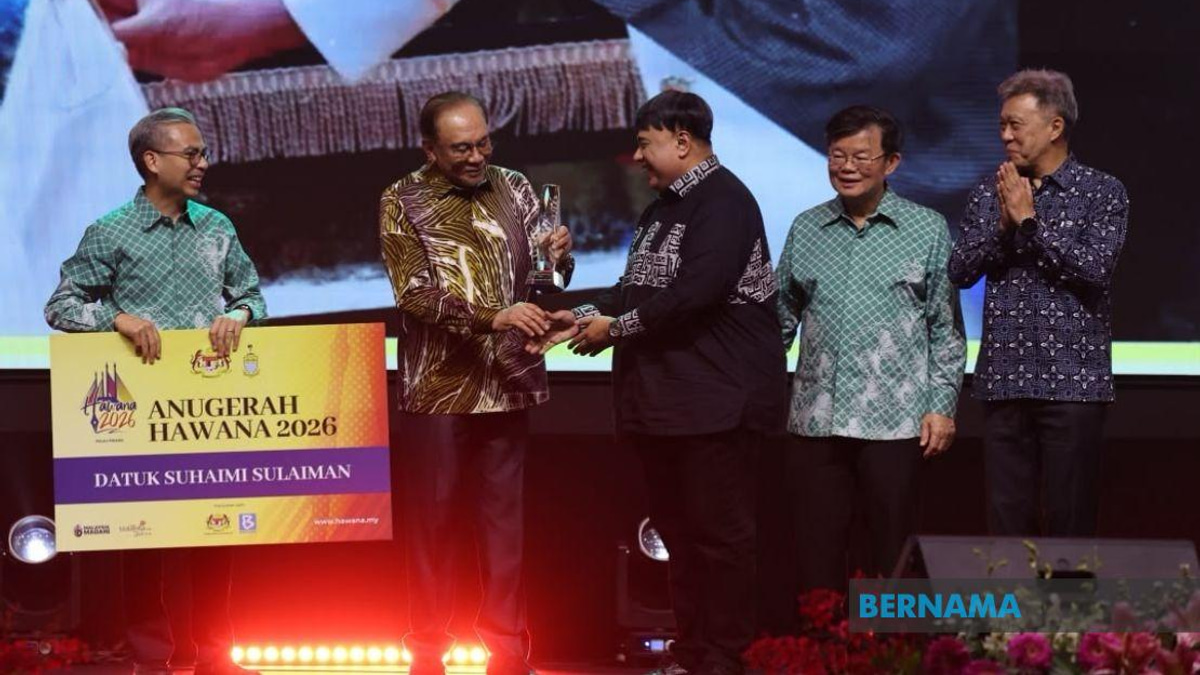
The carnival's integration with HAWANA 2026, the biennial National Journalists' Day summit, creates thematic coherence that extends beyond surface-level co-branding. Prime Minister Datuk Seri Anwar Ibrahim's scheduled official participation on June 20 underscores the government's investment in positioning media professionalism as central to national development. The HAWANA 2026 Summit, anticipated to convene approximately 1,000 media practitioners from Malaysia and internationally, operates under the theme "Media Integrity strengthens Credibility"—a positioning that acknowledges contemporary anxieties about information authenticity while asserting journalism's foundational role in democratic functioning. By hosting this summit concurrently with a large-scale public carnival, organisers signal that media concerns extend beyond professional circles, engaging the broader citizenry in conversations about information quality and public discourse.
The Ministry of Communications' involvement, with Bernama (Pertubuhan Berita Nasional Malaysia) serving as implementing agency, reflects institutional commitment to connecting journalism infrastructure with cultural production. This governmental engagement inevitably shapes the event's ideological register, positioning media professionalism not as a contested terrain but as a shared national value requiring celebration and reinforcement. For Malaysian audiences attuned to political economy dimensions of cultural programming, this institutional positioning merits consideration—the carnival simultaneously entertains and advances a particular vision of media's relationship to state and society, though the breadth of programming suggests genuine effort toward inclusive cultural celebration rather than narrow propagandistic intent.
The food and beverage component addresses a practical necessity while reflecting contemporary festival economics. Local vendors gain marketplace access to large captive audiences, supporting small-business ecosystems while ensuring carnival-goers encounter authentic regional cuisine rather than standardised chain offerings. This circulation of commercial benefit throughout local economies distinguishes well-organised festivals from extractive events where external promoters capture disproportionate revenue. For vendors and artisans participating in the carnival's workshop programming, the three-day duration provides meaningful exposure to potential customers and collaborators, potentially catalysing longer-term professional relationships beyond the weekend itself.
Penang's selection as carnival venue carries geographical significance for Southeast Asian entertainment infrastructure. The state has gradually positioned itself as Malaysia's secondary cultural capital, complementing Kuala Lumpur's dominance while cultivating distinct aesthetic and historical identity. Large-scale events like RIUH Pi HAWANA establish Penang's capacity to host international-standard programming while anchoring such events within local cultural frameworks rather than imposing metropolitan templates. For musicians and cultural practitioners based outside Klang Valley, Penang increasingly represents accessible pathway to significant audience engagement—a development potentially redistributing Malaysia's entertainment geography beyond its historic concentration.
The carnival's emphasis on participatory creative workshops reflects broader global festival trends prioritising experience and skill-acquisition over passive consumption. This shift responds to audience expectations shaped by social media culture, where event participation generates personal content and extends marketing reach through organic digital sharing. The workshop offerings—particularly those requiring hands-on creation of tangible objects—inherently encourage documentation and sharing, effectively leveraging attendees as distributed marketing agents. This symbiotic relationship between carnival programming and digital promotion has become standard practice among sophisticated event organisers, though it raises questions about whose stories and experiences receive digital amplification and how social media visibility patterns shape which artistic and cultural voices achieve wider recognition.
For Malaysian audiences tracking regional entertainment developments, the RIUH Pi HAWANA Carnival exemplifies how national observances increasingly integrate with commercial cultural production. The carnival's size, budget and logistical sophistication situate it alongside Malaysia's largest annual music festivals, yet its dual commitment to celebrating journalism and supporting local artists distinguishes it from purely commercial enterprises. This hybrid model—governmental backing meeting commercial entertainment expertise—increasingly characterises Malaysia's cultural landscape as authorities seek to strengthen national institutions while engaging public audiences through enjoyable, accessible programming. The carnival's success or limitations in balancing these potentially competing imperatives will offer insights into contemporary Malaysia's capacity to serve multiple constituencies through unified cultural events.