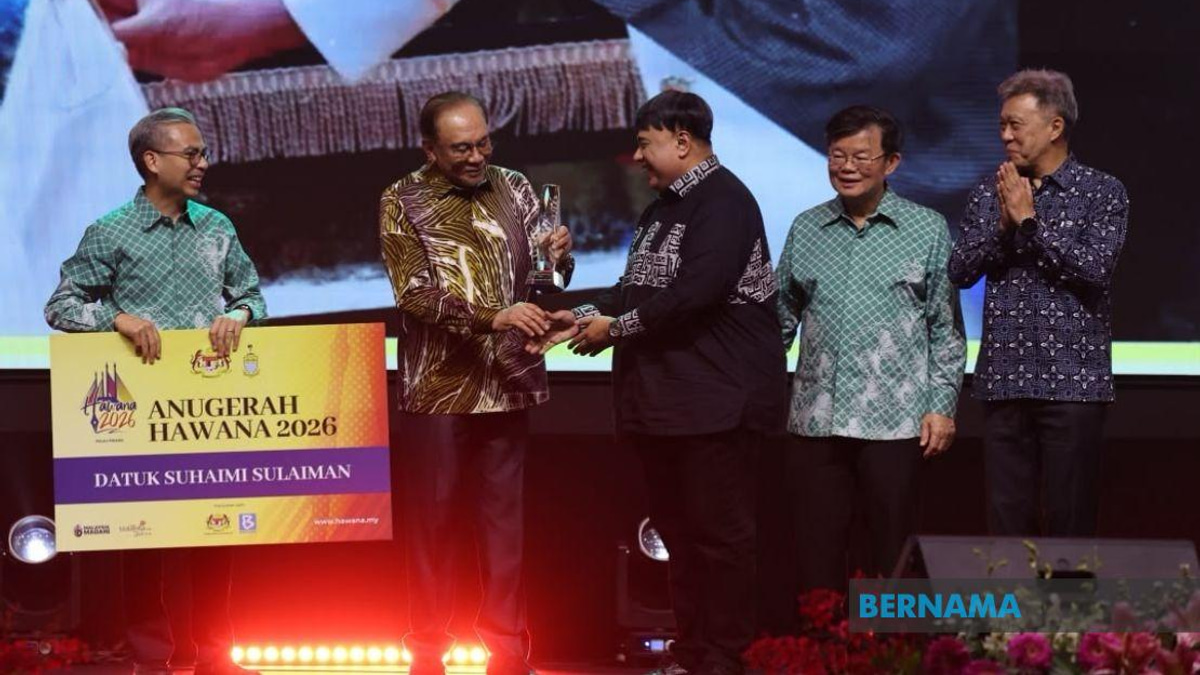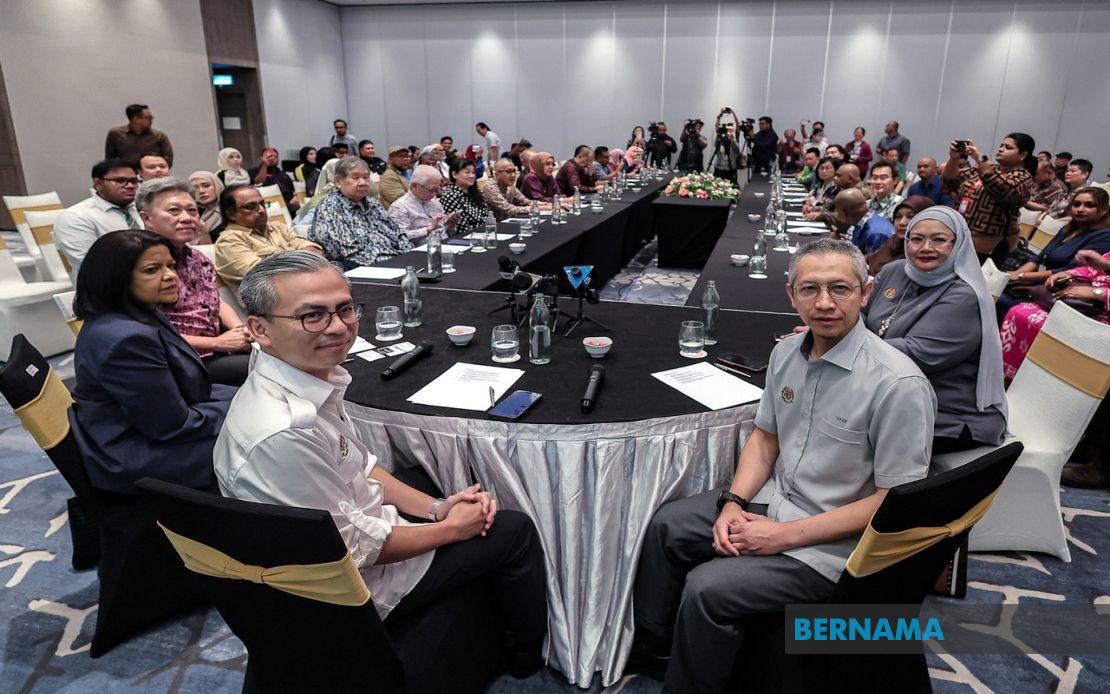
Communications Minister Datuk Fahmi Fadzil has unveiled a proposal to embed regular retreat sessions with media professionals into future National Journalists' Day (HAWANA) celebrations, positioning these gatherings as formal channels for the industry to dialogue with government and shape policy direction. The initiative, unveiled during HAWANA 2026 in Butterworth on June 20, reflects a strategic shift toward institutionalising engagement between Malaysia's communications sector and policymakers at the highest level.
The proposed retreat framework would function as a structured feedback mechanism, allowing journalists, editors, and media organisation leaders to present insights, grievances, and strategic recommendations directly to the government. Rather than treating HAWANA as a ceremonial occasion, Fahmi's approach transforms it into a working session where accumulated industry wisdom can be channelled into concrete policy proposals. The Communications Ministry has indicated it will partner with the Malaysian Media Council (MMC) to handle logistical coordination, ensuring these retreats operate with proper governance and follow-through mechanisms.
The scope of input welcomed by the government extends beyond immediate operational concerns to encompass legislative architecture. Media representatives would be invited to propose amendments to existing laws and acts that govern their sector, address regulatory gaps that have emerged from changing market conditions, and articulate strategies for ensuring the long-term economic sustainability of Malaysian journalism. This invitation to participate in legislative drafting represents a meaningful expansion of the industry's voice in the governance process, particularly significant given decades of tensions between media and government over regulatory frameworks.
The backdrop to this initiative underscores a critical challenge confronting Malaysia's news ecosystem. Fahmi explicitly identified the economic viability of mainstream media as a pressing concern, particularly the structural disadvantage facing professional newsrooms in the age of social media dominance. Despite investing significant resources in original reporting and editorial oversight, traditional media outlets see their content republished and monetised on Facebook, Instagram, TikTok, and other platforms without compensation or benefit to the original publishers. This value extraction has hollowed out the financial foundations of many newsrooms across the country.
The government's position on this issue indicates willingness to facilitate conversations between Malaysian media organisations and the global technology platforms that have disrupted their business models. Fahmi signalled that the Communications Ministry stands ready to participate in and potentially mediate such discussions, suggesting that policy interventions or regulatory approaches may be under consideration to address the economic imbalances that have emerged. This acknowledgment of structural disadvantage faced by traditional media against unregulated global platforms reflects growing international concern about the sustainability of public-interest journalism.
The composition of attendees at the Butterworth dialogue reveals the institutional weight the government has invested in this engagement. Alongside Fahmi were senior officials including Communications Ministry secretary-general Datuk Abdul Halim Hamzah and deputy secretary-general Datuk Bahria Mohd Tamil, signalling that substantive follow-through on industry recommendations would not be delayed by bureaucratic layers. Representation from Malaysia's national news agency Bernama, led by chairman Datuk Seri Wong Chun Wai and chief executive officer Datin Paduka Nur-ul Afida Kamaludin, anchored the industry side, alongside the Malaysian Media Council and senior leaders from private media organisations.
For Malaysian and Southeast Asian news organisations, the implications extend beyond procedural innovation. A formalised retreat system could establish a precedent for government-industry collaboration that transcends the adversarial dynamics historically characteristic of press relations in the region. Rather than journalism and government existing in perpetual tension, structured dialogue creates space for problem-solving around genuinely shared challenges, such as platform economics, digital transition costs, and audience fragmentation.
The proposal also reflects subtle but significant recognition that Malaysia's media landscape requires active policy attention to remain viable. Unlike some governments that treat journalism as a sector to be constrained or controlled, the Communications Ministry's approach positions media sustainability as a legitimate public interest concern worthy of government engagement and potential support mechanisms. This framing could open discussion about interventions ranging from tax incentives for digital subscription models, to regulatory requirements for fair compensation flows from platforms to content creators, to direct public funding models.
Regionally, Malaysia's approach may influence how other Southeast Asian governments engage with struggling news industries. Thailand, the Philippines, Indonesia, and Vietnam all grapple with similar dynamics of media economic crisis, platform dominance, and tensions between government and press. If Malaysia's retreat model produces tangible policy outcomes that strengthen journalism while maintaining editorial independence, it could offer a template for constructive engagement adapted to local political contexts across the region.
The challenge now lies in translating this commitment into action. Annual retreats risk becoming performative without clear mechanisms for government responsiveness to recommendations. Success will require the Communications Ministry to demonstrate that media industry input genuinely influences legislative proposals, regulatory decisions, and resource allocation. Equally, the Malaysian Media Council must ensure that retreat sessions represent diverse voices across the industry rather than consolidating influence among established players.
The timing of this proposal is significant, arriving as digital disruption of traditional media business models has reached critical urgency across the developing world. Malaysia's signal that government recognises the stakes involved in journalism's economic survival suggests awareness that media pluralism requires active policy support, not merely the absence of censorship. Whether this rhetoric translates into substantive protection and support for Malaysian journalism remains the crucial question.