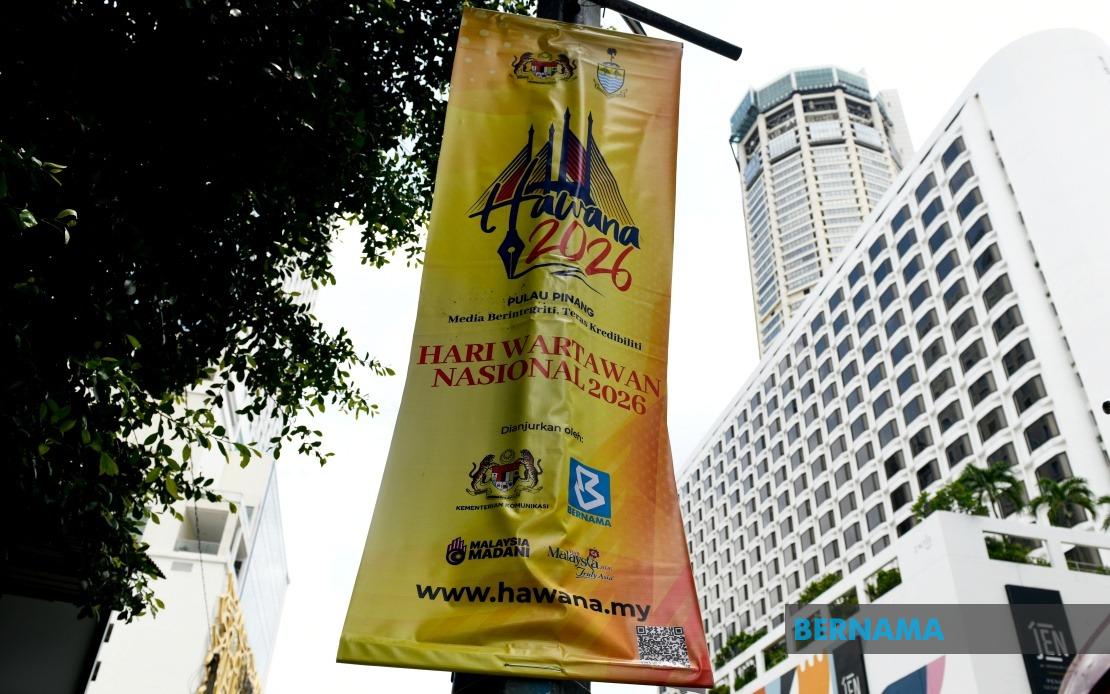
Communications Minister Datuk Fahmi Fadzil has arrived in Penang for a two-day engagement focused on celebrating the National Journalists' Day (HAWANA) 2026, marking the culmination of the year's activities dedicated to honouring Malaysia's media community. The visit represents a significant moment for the journalism sector, bringing together industry leaders and practitioners to reflect on media's role in national development and discuss contemporary challenges facing the profession.
Fahmi's schedule reflects the breadth of activities organised to mark the occasion. Beginning with the Malaysia Media Retreat Programme 2.0 in Seberang Jaya, the minister will participate in a series of engagements designed to recognise journalism's contribution to Malaysian society. The retreat format provides an opportunity for media practitioners at various levels to engage in dialogue about industry standards, ethical practices, and the future direction of news dissemination across traditional and digital platforms.
The evening component of the first day includes a dinner hosted by Penang Yang Dipertua Negeri Tun Ramli Ngah Talib, underlining the state government's commitment to supporting media initiatives and fostering closer ties between regional leadership and the press. This gesture acknowledges the symbiotic relationship between media institutions and governance structures, particularly in an era when public trust in media institutions requires sustained dialogue and transparency from both sectors.
Parallel to the ministerial programme, the RIUH Pi HAWANA Carnival at the PICCA Convention Centre @ Butterworth Arena showcases the broader cultural dimensions of Malaysia's media landscape. The three-day carnival, which opened alongside Fahmi's arrival, extends beyond journalism to encompass the creative industries ecosystem that supports and interacts with media production. More than 24 local creative brands, alongside 20 food and beverage vendors and 16 stage performances, transform the celebration into a community-inclusive event that bridges professional discourse with public participation and cultural expression.
The carnival's creative workshops—including cyanotype printmaking, albumen printing, and stone-carving techniques—illustrate how contemporary media platforms increasingly intersect with visual arts and creative storytelling. These hands-on activities position journalism within a broader artistic and cultural context, relevant to Malaysian readers navigating an increasingly multimedia information environment where traditional reporting coexists with creative content production and visual narratives.
On the second day, Fahmi continues with grassroots engagement through the Jiwa@Sembang Santai programme at Seberang Jaya Public Market, demonstrating that media discourse extends beyond institutional settings into everyday community spaces. This informal morning session contrasts with the formal Media Dialogue with the Communications Minister scheduled for Butterworth at mid-morning, creating a rhythm that balances casual public interaction with structured professional conversation.
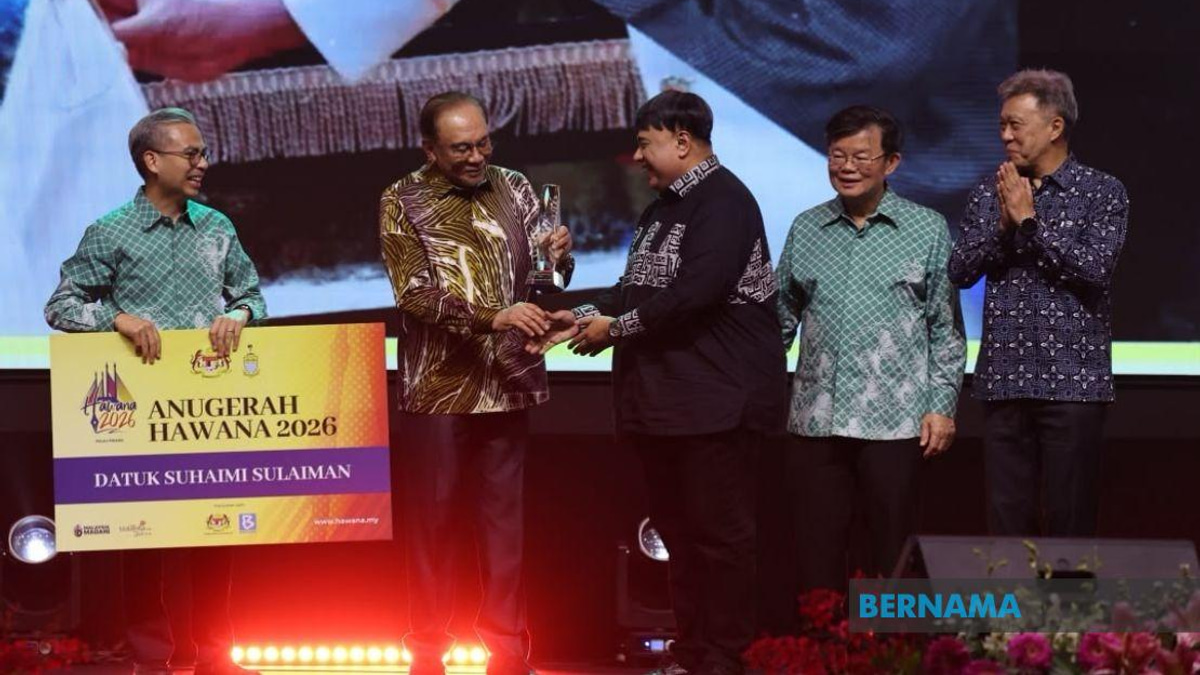
The centrepiece of Fahmi's visit is the HAWANA 2026 Grand Finale, themed "Media Integrity Strengthens Credibility," set to be officiated by Prime Minister Datuk Seri Anwar Ibrahim. This high-level political endorsement underscores the government's recognition of media's pivotal role in democratic processes and social cohesion. The presence of approximately 1,000 media practitioners from Malaysia and internationally signals the event's significance as a platform for discussing journalism's direction amid rapid technological and social transformation.
For Malaysian readers and the regional media landscape, this event carries implications extending beyond ceremonial recognition. The emphasis on media integrity and credibility addresses mounting public concerns about misinformation, deepfakes, and the erosion of trust in traditional news sources. By foregrounding these themes at the national level, HAWANA 2026 positions Malaysia within broader international conversations about journalism's sustainability and social responsibility in the digital age.
The involvement of the Malaysian National News Agency (Bernama) as the implementing organisation reflects the state's stake in shaping the national media narrative. Bernama's role in coordinating HAWANA demonstrates how government agencies balance their institutional interests with the profession-wide recognition that media pluralism and ethical standards require collective effort across private, public, and independent sectors. This coordination mechanism, while potentially contentious in debates about press freedom, operationally enables large-scale industry events that individual organisations might struggle to deliver.
The carnival's inclusion of emerging artists and local creative entrepreneurs reveals a deliberate strategy to connect journalism with the broader creative economy. For Southeast Asian media professionals watching Malaysia's approach, this integration suggests recognition that media institutions increasingly compete with entertainment and creative content for audience attention, requiring newsrooms to understand and engage with creative production methods.
The two-day visit encapsulates contemporary challenges facing Malaysian journalism: maintaining credibility amid information fragmentation, engaging younger audiences through innovative formats, supporting creative professionals, and securing government and public backing for media institutions. The participation of international media practitioners alongside domestic journalists indicates Malaysia's desire to position itself within global conversations about journalism's future, a positioning particularly relevant as Southeast Asian nations navigate questions of digital governance, cross-border information flows, and media regulation.
Fahmi's direct engagement across multiple venues—from formal ministerial retreats to public carnival spaces to grassroots community markets—signals the government's investment in maintaining dialogue with media institutions during a period of significant industry transformation. Whether this engagement translates into substantive policy support for journalism, enhanced protection for investigative reporting, or mechanisms supporting sustainable business models for news organisations remains a question for observers of Malaysian media governance in the coming months.