Police in Rajasthan's Dholpur district have launched a major investigation into the deaths of two sisters who are believed to have been killed by members of their own family in what authorities describe as a suspected honour killing. The incident, which occurred near Sagarpada Bridge on June 11 late at night, has prompted a comprehensive criminal inquiry with multiple family members named as suspects, including the women's father Bharat Lodha, a resident of Pharakpur village and father of four.
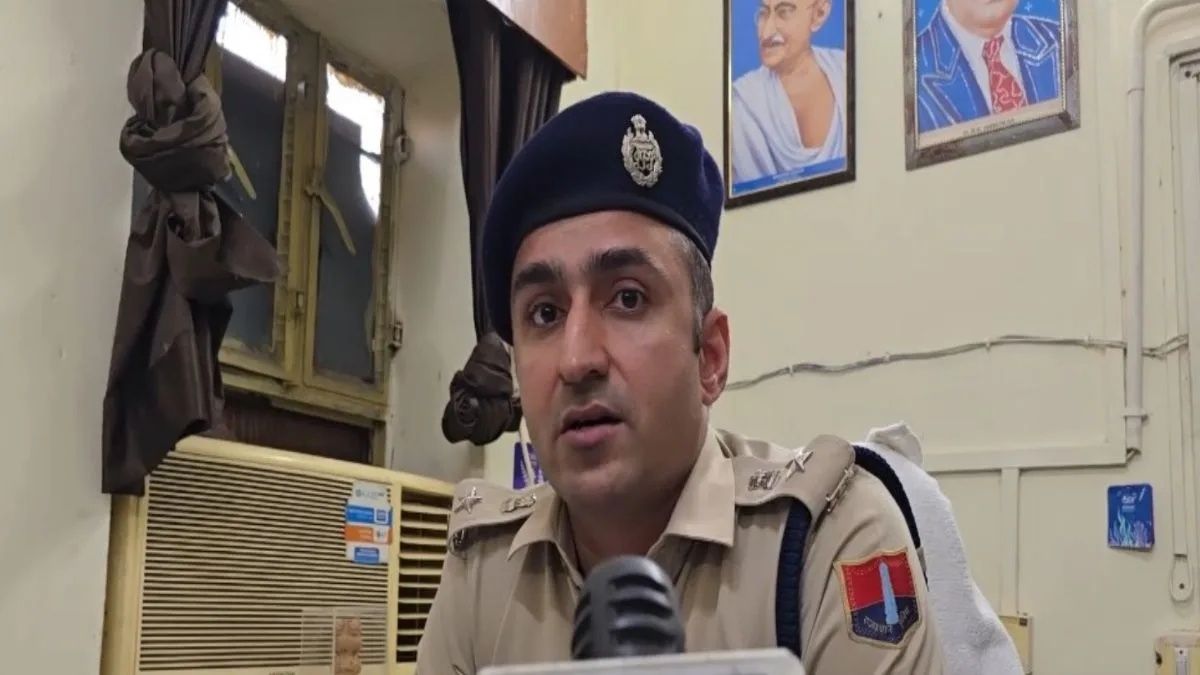
Superintendent of Police Vikas Sangwan revealed that officers received information alleging that Lodha had murdered two of his daughters, leading authorities to dispatch investigative teams to the scene immediately. The preliminary examination of circumstances surrounding the deaths has pointed toward a deeply troubling motive: the victims were reportedly targeted because they were engaged in romantic relationships that their family members deemed unacceptable. This finding has placed the investigation firmly within the framework of honour-based violence, a persistent social issue across several parts of India that continues to draw condemnation from human rights advocates and women's rights organisations.
Based on current evidence and witness accounts, police believe the two women were forced from the Sagarpada Bridge into the river below by family members during the evening hours of June 11. The timing of the alleged crime, which authorities have narrowed to sometime between 9 and 10 o'clock at night, suggests a deliberate action carried out during darkness, potentially to avoid detection. Sangwan acknowledged, however, that these details remain preliminary and that verification of the exact sequence of events is ongoing as investigators gather more comprehensive evidence from the crime scene and surrounding areas.
The investigation has already expanded to examine numerous logistical questions that could illuminate the circumstances of the alleged killing. Police are working to determine how the victims were transported to the bridge location, which individuals accompanied them, and what vehicles were involved in moving them there. These investigative threads are critical to establishing a complete timeline and identifying all parties who may have been present at the scene or involved in planning the act. Sangwan emphasised that authorities are pursuing these leads systematically while continuing to canvas the area for physical evidence and eyewitness testimony.
The case underscores a disturbing pattern of violence in India where family members have taken extreme measures to enforce adherence to traditional social codes and marriage customs. Honour killings, while technically illegal and widely condemned, remain an entrenched problem in certain communities where families view romantic autonomy—particularly for women—as an assault on family honour and social standing. The Dholpur case represents precisely the kind of tragedy that activists and legal experts have long warned requires more aggressive intervention, community education, and robust protection mechanisms for individuals, particularly young women, who are at risk from family members opposed to their relationship choices.
From a procedural standpoint, the investigation represents a complex criminal inquiry that will require gathering testimony from extended family members, establishing motive and intent, and reconstructing events across multiple time points. Police are examining the role of each suspect and determining degrees of culpability, which becomes particularly significant in conspiracy cases where multiple perpetrators are involved. The investigation will also likely involve forensic analysis of the river where the bodies were recovered, examination of any physical evidence from the bridge location, and potentially digital evidence such as mobile phone records or surveillance footage if available from the area.
The incident has reignited broader concerns about women's safety and autonomy within family structures across parts of India. Despite legislative protections, enforcement remains inconsistent, and social pressures within communities can deter victims' families from reporting crimes or cooperating with authorities. The Dholpur case will likely attract attention from women's rights groups and civil society organisations monitoring honour-based violence in the region, potentially becoming a focal point for demands for stricter implementation of existing laws and community interventions to prevent similar tragedies.
Police have indicated that formal charges will be filed once the investigation concludes and prosecutors determine the appropriate legal framework for prosecuting those involved. The case may be pursued under multiple criminal statutes, potentially including murder charges and provisions of India's penal code addressing conspiracy and premeditated violence. The specific charges and sentences available will depend on the evidence gathered and the degree to which investigators can prove individual culpability for different participants in the alleged crime.
The implications of the Dholpur case extend beyond Rajasthan, resonating across South Asia where similar incidents continue to occur despite changing attitudes toward women's rights and relationship autonomy. For Malaysian readers and policymakers monitoring regional social trends, the case serves as a reminder of the persistent vulnerability of women in societies where traditional family structures retain significant coercive power and where romantic choices remain highly contested terrain. While Malaysia's legal framework and social context differ substantially from rural Rajasthan, the case highlights how honour-based violence remains a transnational concern requiring vigilance, education, and consistent legal enforcement across diverse cultural and national contexts.