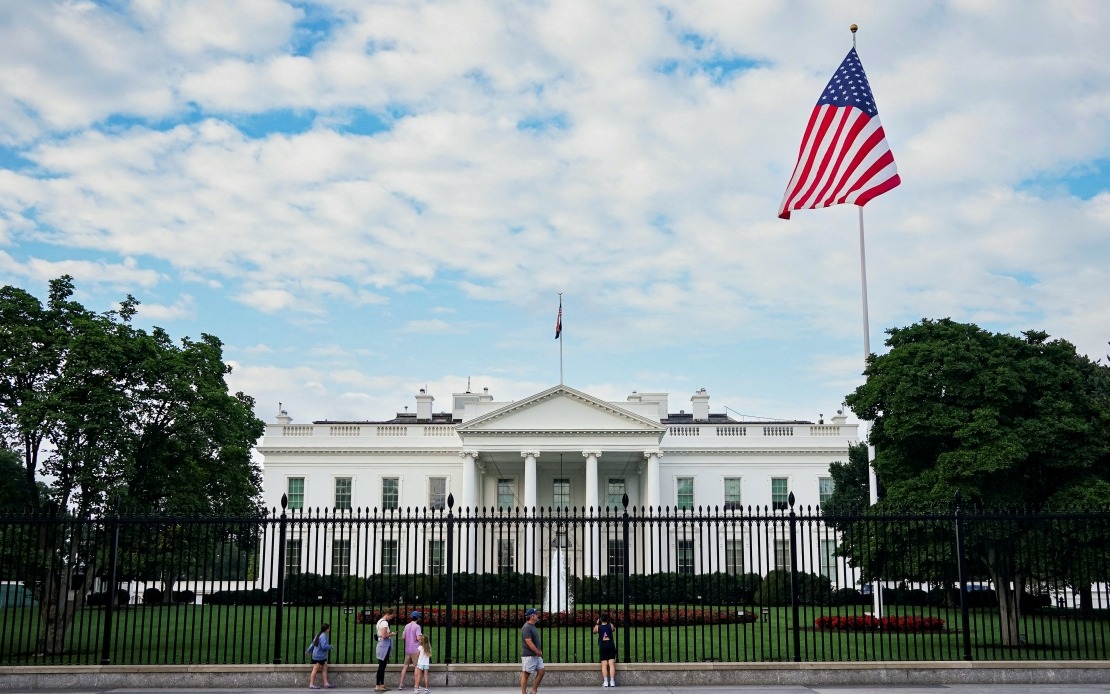
American law enforcement agencies have disrupted what officials describe as a sophisticated plot targeting the Ultimate Fighting Championship event held on the South Lawn of the White House on Sunday, an occasion that marked both President Donald Trump's 80th birthday and the 250th anniversary of American independence. FBI Director Kash Patel disclosed the foiled threat on social media, confirming that intelligence gathering began on June 10 when federal agents and partner agencies detected the potential danger aimed at the UFC America 250 event in Washington, D.C., with the conspiracy reportedly originating from individuals based outside the National Capital Region.
The scope of the alleged scheme, as described by officials speaking to Fox News, involved a multi-stage operation designed to create maximum chaos and casualties. According to these accounts, perpetrators planned to deploy explosive-laden drones to strike buildings situated near the event venue, a tactic intended to trigger mass panic and force spectators to evacuate toward a predetermined location where attackers positioned a sniper team were positioned to inflict further damage. This coordinated approach suggests the plotters possessed significant resources and tactical planning capabilities, raising questions about how such an operation might have been conceived and developed without earlier detection.
Authorities have made substantial progress in dismantling the alleged network. As of Monday, five individuals had been taken into custody, though investigators subsequently expanded their focus to identify 23 people potentially connected to the broader conspiracy. This distinction between those arrested and the wider network under investigation indicates the scope of the inquiry may be substantially larger than initial custody numbers suggest. Compounding the threat assessment, law enforcement officials indicated that operatives had devised a second phase to the plan, which allegedly involved attempting to storm the White House gate itself, demonstrating an apparent intent to escalate violence beyond the initial attack phase.
The decision to proceed with the UFC event despite these emerging security concerns reflected confidence in law enforcement's ability to neutralize the threat. A federal judge in the US District Court for the District of Columbia had already declined to block the event on Friday, ruling against legal challenges filed by two Virginia residents who contended the unprecedented cage-fighting spectacle on the presidential residence's grounds was unlawful. Their concerns centered on the propriety of staging such entertainment at an official government property, though their case was dismissed before security threats came to public attention. Ultimately, approximately 4,000 spectators attended the high-profile event, making it one of the most unconventional gatherings ever hosted at the White House.
This incident arrives amid a documented pattern of escalating political violence across the United States. In April, a gunman armed with firearms and bladed weapons breached the security perimeter at the White House Correspondents' Dinner and faced charges related to an alleged assassination attempt on the president. That incident, like the UFC plot, demonstrated vulnerabilities in protecting high-profile gatherings despite multilayered security measures. The frequency and sophistication of such threats have become a growing concern for Secret Service and FBI officials tasked with protecting national leadership and major events in Washington, D.C., straining already-stretched resources across multiple agencies.
For Malaysian and Southeast Asian observers, the incident underscores challenges facing mature democracies in balancing public access to leadership with security imperatives. The United States has long positioned itself as a bastion of open governance and public participation in democratic processes, yet the recurring threats to officials and public events increasingly force policymakers to reconsider operational security protocols. The sophistication of the alleged UFC plot, involving drone technology and coordinated team positioning, mirrors security concerns that nations throughout the region have confronted as extremist groups and domestic malcontents acquire more advanced weaponry and tactical knowledge through online networks and international connections.
The rapid identification and arrest of multiple suspects reflects significant advances in domestic intelligence gathering and coordination among federal agencies. The FBI's ability to detect the threat on June 10, several days before the June 16 event, demonstrates surveillance capabilities and informant networks that have been substantially enhanced since the September 11, 2001 terrorist attacks. However, the identification of 23 additional individuals potentially connected to the plot raises uncomfortable questions about the prevalence of individuals harboring violent intentions against the government and whether current enforcement approaches adequately address radicalization at scale.
The decision to hold the UFC event proceeded despite the active threat investigation, a choice that reflects political calculation alongside security assessment. Canceling the event might have been viewed as capitulating to terrorist threats and disrupting a celebration of American independence and the sitting president's milestone birthday. Alternatively, proceeding with the event while authorities worked to neutralize the identified threat demonstrated confidence in security protocols and the capacity of law enforcement to protect attendees. The successful outcome vindicates that strategic choice, though it also illustrates the narrow margins within which security services operate when balancing prevention, publicity, and presidential prerogative.
Looking forward, the incident will likely catalyze additional scrutiny of security protocols for outdoor events at sensitive government locations, particularly those drawing large crowds and significant media attention. The coordination required to prevent such attacks—involving the FBI, Secret Service, local law enforcement, and intelligence agencies—demonstrates both the government's capacity for integrated responses and the resource intensity such prevention demands. For the broader American security apparatus, the case serves as another data point in an expanding file of prevented plots, though it also highlights the persistent challenge of addressing radicalization and violence in an era of distributed organizing and access to increasingly capable weaponry.