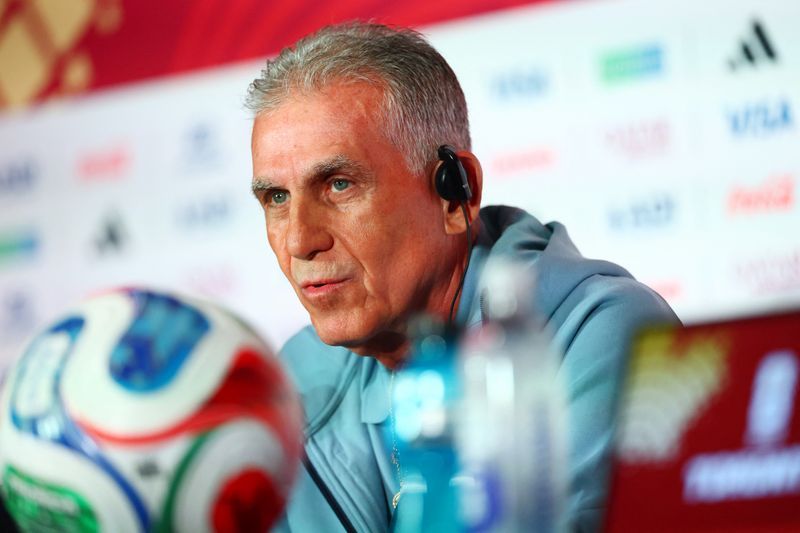
Ghana will take on Panama in their World Cup Group L match at Toronto Stadium on Wednesday, but uncertainty surrounding the availability of midfielder Thomas Partey has cast a shadow over preparations. Coach Carlos Queiroz addressed the situation at a press conference on Tuesday, declaring his team fully equipped to compete regardless of the outcome of Partey's entry appeal, which was heard the same day in Canadian federal court. The Villarreal midfielder has been barred from entering Canada, where he faces allegations of rape and sexual assault in Britain—charges he has denied.
Queiroz's measured response to questions about Partey reflected a pragmatic approach focused on team readiness rather than external distractions. The Portuguese coach, now 73, emphasised that his squad had contingency plans in place and that dwelling on off-field issues served no tactical purpose. He framed the situation as one where Ghana would adapt to whatever circumstances prevailed, having prepared multiple strategic approaches for the encounter. This stance suggested confidence in the depth of his squad and the versatility of his tactical options.
The legal appeal itself represents a significant complication for Ghana's campaign in the tournament. Canadian immigration authorities initially rejected Partey's entry on the basis of the allegations against him, a decision that prompted Ghanaian football authorities to pursue judicial review. The timing of the appeal hearing—just one day before the crucial Group L fixture—created an unusual backdrop of legal uncertainty for a team preparing for a major international competition. Federal court proceedings in Toronto became the unexpected focal point of Ghana's World Cup preparations.
When discussing Panama, Queiroz acknowledged the Central American side's considerable strengths while simultaneously identifying areas where Ghana could gain advantage. He described Panama as a thoroughly organised and experienced outfit, but maintained that his players possessed the requisite quality, athleticism, and technical ability to exploit weaknesses in their opponents' setup. The coach highlighted Ghana's collective strengths in one-on-one confrontations and emphasised the squad's speed and skill in competitive situations.
Queiroz's assessment reflected deeper tactical thinking beyond simple team comparison. He suggested that Ghana's approach would centre on identifying specific vulnerabilities within Panama's structure and implementing pre-planned solutions. This emphasis on preparation and pattern recognition indicated that the coaching staff had conducted extensive video analysis and strategic planning. The coach conveyed measured optimism without overconfidence, recognising that Panama represented a formidable obstacle while maintaining that Ghana possessed adequate resources to compete effectively.
Beyond the immediate match preparation, Queiroz touched on broader governance issues affecting the World Cup tournament. When asked about FIFA's mandatory hydration breaks during matches—a policy that has generated considerable debate among players and coaches worldwide—he avoided immediate judgment. Instead, he advocated for comprehensive post-tournament scrutiny of the regulation. Queiroz called for an integrity report examining whether the hydration break policy genuinely prioritised player health and performance or served commercial interests and marketing objectives.
This intervention on hydration breaks reflects ongoing tension between player welfare and commercial considerations in modern football. Such mandatory stoppages, while ostensibly designed to protect athlete wellbeing in potentially hot conditions, have sparked controversy regarding their impact on match flow and tactical dynamics. Coaches have questioned whether the real motivation stems from broadcaster requirements or corporate partnerships rather than legitimate health concerns. Queiroz's call for transparent evaluation after the tournament concludes suggested dissatisfaction with decision-making transparency in international football governance.
The prospect of Ghana facing Panama carries significance for both West African and Central American football. Panama's qualification for the World Cup represented notable progress for the nation, while Ghana sought to reestablish itself among Africa's elite football powers after mixed recent tournament performances. The Group L confrontation would provide early indication of both teams' competitive standing and their realistic aspirations for progressing further in the competition.
For Malaysian and Southeast Asian football observers, Ghana's situation illustrates broader challenges facing African football at the international level—balancing administrative complications, legal proceedings, and on-field performance under pressure. The complexity of managing player availability amid legal challenges in foreign jurisdictions represents a recurring headache for African national teams operating in increasingly globalised football environments. Queiroz's composed handling of the situation demonstrated professional pragmatism, though the underlying legal proceedings highlighted structural vulnerabilities in how international football manages sensitive personal matters affecting team composition.


