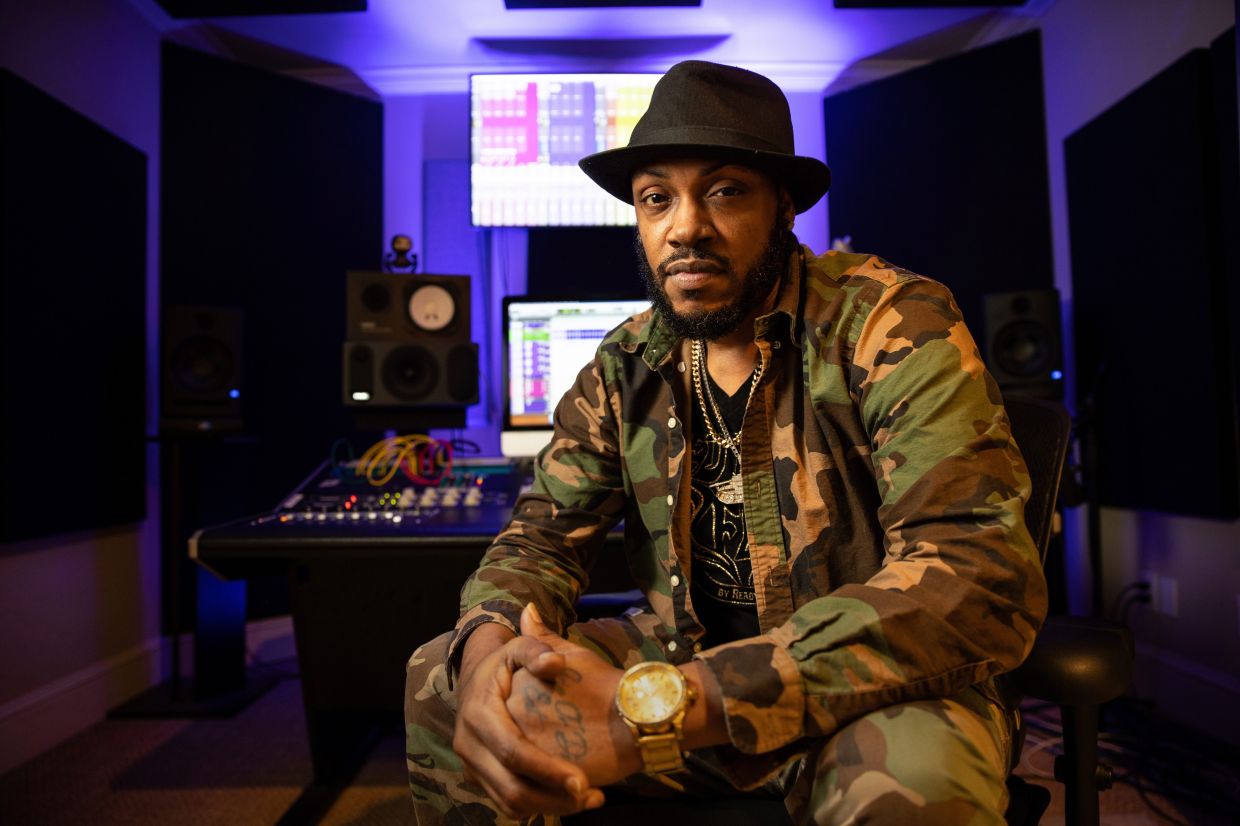
Mystikal, the Louisiana-born rapper born Michael Lawrence Tyler who accumulated multiple Grammy nominations during the height of his career in the early 2000s, has received a 20-year prison sentence for sexually assaulting a woman at his residence in Prairieville, Louisiana in 2022. The sentencing, handed down this week, concludes a legal process that began with his arrest over two years ago and has resulted in one of the most significant criminal convictions in hip-hop in recent memory.
The artist entered a guilty plea to third-degree rape in March of this year, accepting a plea agreement that capped his sentence at 20 years—substantially less than the 25-year maximum applicable to that charge. Notably, this arrangement represented a significant reduction from the original first-degree rape allegation, which under Louisiana law would have triggered an automatic life sentence with no possibility of parole. The plea deal thus offered Mystikal a pathway to a defined sentence rather than facing mandatory life imprisonment.
The legal proceedings took an unexpected turn days before the formal sentencing hearing when Mystikal's legal team submitted an urgent motion requesting that the judge allow him to withdraw his guilty plea. In the motion, filed through his attorneys and reported by ABC affiliate WBRZ, Mystikal claimed insufficient opportunity to fully comprehend and consider the serious consequences flowing from his guilty admission. This last-minute reversal attempt proved unsuccessful, as the judge proceeded with the sentencing hearing as scheduled.
During the court proceeding, the woman who was assaulted delivered a victim impact statement directly addressing the court and the defendant. According to reporting from local media, she provided a detailed account of the violence inflicted upon her during the assault at Mystikal's Prairieville home, located approximately 29 kilometres south of Baton Rouge. Her testimony detailed multiple forms of physical violence, including being struck in the face, choked, having her braids forcibly pulled, and ultimately being raped. She concluded her statement by asking the judge to impose the maximum possible sentence.
Mystikal's response to the victim's testimony, as documented by WBRZ, demonstrated an apparent acknowledgment of the gravity of his actions. The rapper stated that if he had been the victim of such treatment, he would likewise deserve the maximum penalty available under law. This declaration came immediately following the victim's sentencing recommendation, though such statements by defendants rarely carry legal weight in sentencing determinations.
Mystikal has remained incarcerated without the possibility of bail at the Ascension Parish Jail since his initial arrest in 2022. The continuance of detention throughout the lengthy legal process underscores both the seriousness of the charges and the court's assessment of flight risk and public safety concerns. His legal representation declined to provide comment regarding the sentencing outcome or any potential appeal strategy at the time of reporting.
The conviction carries particular resonance within the music industry and among entertainment observers, given Mystikal's prominence during the late 1990s and early 2000s when he achieved substantial commercial and critical success. His ascent to national prominence coincided with the growth of Southern rap as a dominant force in hip-hop, and he compiled a catalogue of commercially successful recordings during that period. The 2000 hit that helped define his career and establish his commercial viability became emblematic of the Southern rap sound that dominated mainstream radio during that era.
This case marks the second serious sexual assault conviction in Mystikal's criminal history, adding a troubling pattern to his legal record. In 2003, the rapper pleaded guilty to sexual battery and received a six-year prison sentence. Notably, that same year he received Grammy nominations in two categories, including best rap album, demonstrating that his career remained viable even following that earlier conviction. The contrast between his industry recognition in 2003 and the more severe consequences he now faces reflects both changing attitudes toward sexual violence and the accumulation of multiple serious offences.
For Malaysian and Southeast Asian entertainment observers, the Mystikal case underscores broader conversations about accountability within the international music industry and the long-term career implications of sexual violence convictions. While Malaysian audiences may be familiar with Mystikal's music through the 1990s and 2000s era of hip-hop popularity, this conviction provides perspective on how Western legal systems address high-profile cases involving entertainment figures. The 20-year sentence represents a significant punishment that will effectively end any prospect of Mystikal returning to active recording or performance during what would have been his remaining viable years as a performing artist.
The sentencing also reflects an apparent hardening stance toward perpetrators of sexual violence, particularly in cases where multiple acts of violence accompany the primary assault. The judicial determination to apply a substantial sentence within the available range suggests that courts are taking seriously the cumulative trauma inflicted upon victims and the patterns of behaviour demonstrated across multiple incidents. This approach has implications for how legal systems across different jurisdictions evaluate repeat offenders and serious crimes of violence.