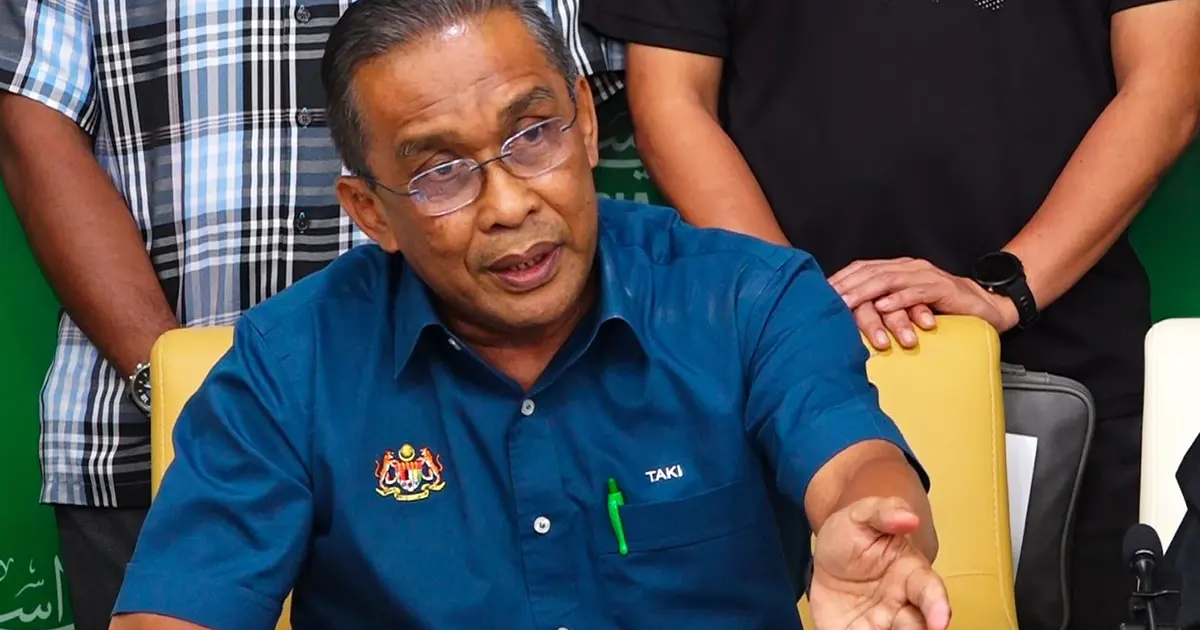
Perikatan Nasional's chief whip Takiyuddin Hassan has formally notified the Speaker of Parliament that Hamzah Zain has assumed office as the opposition leader, marking a significant shift in Malaysia's parliamentary dynamics. The announcement, delivered through official notification, confirms that the former Bersatu deputy president now leads the combined opposition bloc in the Dewan Rakyat effective immediately.
The transition reflects consolidation within the opposition ranks following prolonged negotiations and alignment among various factions. Takiyuddin's action in notifying the Speaker represents the formal constitutional procedure required when changing parliamentary opposition leadership, ensuring that the lower house is apprised of the updated command structure responsible for holding government to account.
That 61 opposition MPs have signalled agreement with Hamzah's appointment demonstrates substantial backing across multiple parties within the PN coalition. This numerical strength is critical to the credibility and effectiveness of the opposition leader's role, as it underpins their authority to coordinate opposition activities, formulate legislative strategy, and serve as the principal voice challenging government policies in parliamentary debate.
Hamzah's selection represents a consolidation of leadership within the Perikatan Nasional block, which has emerged as the primary opposition force following the 2022 general election and subsequent political realignments. His appointment resolves what had been a contested leadership question, potentially bringing greater coherence to opposition coordination that had been fragmented across different groupings.
For Malaysian political observers, the appointment carries implications for how the opposition will function during budget debates, policy discussions, and scrutiny of government legislation. An opposition leader with clear backing from 61 MPs possesses significant parliamentary leverage and can mobilize procedural mechanisms to delay or amend bills, demand inquiries, and force government responses during ministerial question time.
The transition also reflects internal PN dynamics, with the coalition attempting to present a unified front despite persistent tensions between component parties. Hamzah's role as opposition leader provides him a platform to articulate PN positions on key national issues including the economy, healthcare, education, and governance concerns that resonate with voters.
Historically, Malaysia's opposition leadership has been contested territory, with competing claims and leadership struggles undermining parliamentary effectiveness. The clear notification to the Speaker, backed by documented support from 61 MPs, aims to avoid ambiguity that previously plagued opposition organizations and strengthens Hamzah's position against potential challenges.
The appointment occurs amid Malaysia's complex political landscape, where coalition management and inter-party negotiations remain fluid. Opposition leaders must balance representing their constituent parties while projecting national stature and command respect across parliamentary benches—a challenging equilibrium that previous opposition leaders have struggled to maintain.
Hamzah will now oversee opposition business in Parliament, including organizing opposition speakers during debates, coordinating legislative responses, and determining opposition priorities for parliamentary sessions. These responsibilities grant him considerable influence over how alternative policy visions are presented to the electorate and international observers monitoring Malaysian governance.
The PN chief whip's formal notification represents the procedural completion of an internal selection process that has been underway within opposition quarters. While such transitions typically occur with minimal fanfare, the requirement to formally notify the Speaker ensures institutional recognition and prevents confusion regarding opposition representation and authority.
For Malaysian businesses and foreign investors, clear opposition leadership provides better visibility into how parliament will function and which voices articulate alternative economic and policy positions. Opposition leaders increasingly influence private-sector sentiment through their questioning of government policies and exploration of alternative approaches to national challenges.
Regionally, opposition leadership transitions are closely monitored, as they signal the health of parliamentary democracy and checks-and-balances mechanisms. A functioning opposition with clear leadership demonstrates that Malaysia's parliament remains substantive rather than ceremonial, maintaining the constitutional role of holding executives accountable.
Moving forward, Hamzah's effectiveness will be measured by his ability to unify disparate opposition voices while advancing a coherent policy platform. The 61-MP backing provides him organizational foundation, yet sustaining this coalition during parliamentary sessions—where individual MPs may pursue distinct interests—will test his leadership capacity in Malaysia's fractious political environment.