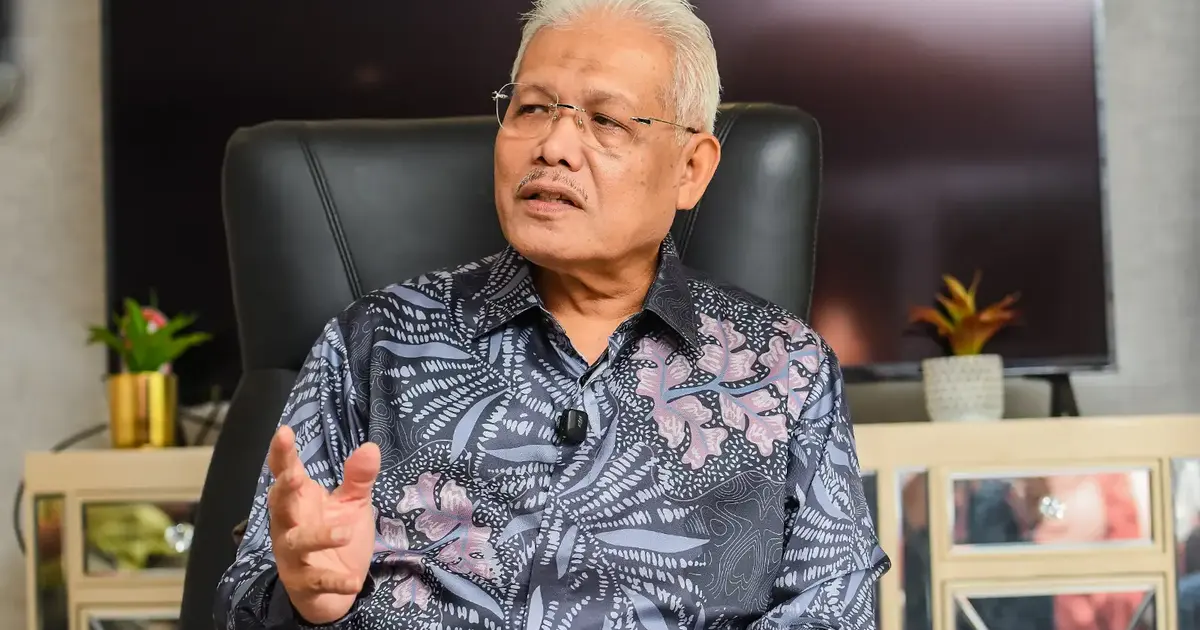
Hamzah Zainudin's resurgence within opposition ranks appears to signal a deliberate strategic shift for Perikatan Nasional, with analysts crediting the move as a bid to realign the PAS-led coalition toward a more moderate political positioning. As the coalition prepares for the next general election, observers view the prominent former politician as an instrumental figure capable of broadening PN's electoral appeal beyond its traditional support base.
The coalition's embrace of Hamzah reflects recognition that Malaysia's electoral landscape has grown increasingly competitive and fragmented. With voters becoming more discerning about which parties they support, PN appears intent on distancing itself from perceptions of ideological rigidity or narrow-based appeal. By positioning Hamzah as a central campaign figure, the coalition signals its willingness to adopt a more inclusive political narrative that resonates with middle-ground voters across different demographic segments.
Analysts emphasize that Hamzah's elevation carries symbolic weight beyond his individual political standing. His return represents an attempt to recalibrate PN's public image during a period when Malaysian politics continues to evolve in response to shifting voter priorities. The coalition's leadership evidently calculates that pairing Hamzah's profile with their organizational strength offers a more compelling proposition for GE16 than remaining within their current political positioning.
The moderate narrative that PN aims to construct through Hamzah's prominence addresses a persistent challenge the coalition has faced since its formation. Critics have historically portrayed components of PN as ideologically driven or overly focused on specific communal interests rather than advancing a broader national agenda. By elevating a figure perceived as relatively pragmatic and centrist, the coalition attempts to counter such characterizations and appeal to voters concerned about governance competence and inclusive politics.
For Malaysian voters surveying the political landscape ahead of GE16, Hamzah's repositioning within PN signals that the coalition recognizes the electoral cost of perceived extremism or inflexibility. His campaign role would likely emphasize economic management, administrative effectiveness, and cross-communal engagement rather than identity-based messaging that might alienate centrist voters. This tactical recalibration suggests PN intends to compete directly for the same moderate constituencies that currently support the ruling coalition.
The strategic importance of Hamzah's return extends beyond mere personalities to reflect deeper calculations about coalition dynamics. PAS maintains significant grassroots organizational capacity and rural support networks, but PN's electoral viability in urban and semi-urban constituencies depends on presenting leadership figures whose appeal transcends communal or ideological boundaries. Hamzah's prominence theoretically enables the coalition to leverage PAS's organizational infrastructure while projecting a less narrow political face to undecided voters.
Regional implications of PN's moderate repositioning merit consideration as well. Neighboring regional actors and international observers monitor Malaysian political developments closely, as Malaysia's domestic stability directly influences regional economic and security frameworks. A PN that successfully rebrands itself as moderate and mainstream-oriented potentially signals different international positioning than one appearing ideologically driven, which carries implications for diplomatic relationships, investment sentiment, and regional trust.
However, analysts caution that Hamzah's elevated profile introduces internal coalition tensions that PN must navigate carefully. The coalition comprises parties with distinct political bases, ideological orientations, and leadership structures, and elevating one figure risks alienating or marginalizing partners who might perceive diminished influence. Managing these internal dynamics while maintaining a coherent moderate message presents a complex political challenge requiring deft coalition management.
The success of PN's moderate rebranding ultimately depends on whether Malaysian voters find the narrative credible given the coalition's actual policy positions and political composition. Voters who have followed Malaysian politics closely understand that coalitions cannot simply adopt new images without corresponding substantive shifts in policy emphasis or internal power distribution. Hamzah's prominent role signals intent but cannot wholly overcome structural questions about the coalition's ideological coherence or governing philosophy.
As GE16 approaches, PN's investment in Hamzah as a moderate face reflects broader recognition that contemporary Malaysian electoral competition occurs primarily among centrist formations competing for middle-ground voters. The coalition's willingness to elevate figures perceived as pragmatic and non-ideological over those embodying stronger identity-based appeals demonstrates understanding that electoral majorities increasingly demand inclusive governance rather than faction-specific leadership. Whether this repositioning translates into tangible electoral gains depends on voter receptivity and the rival coalitions' success in challenging PN's moderate credentials.