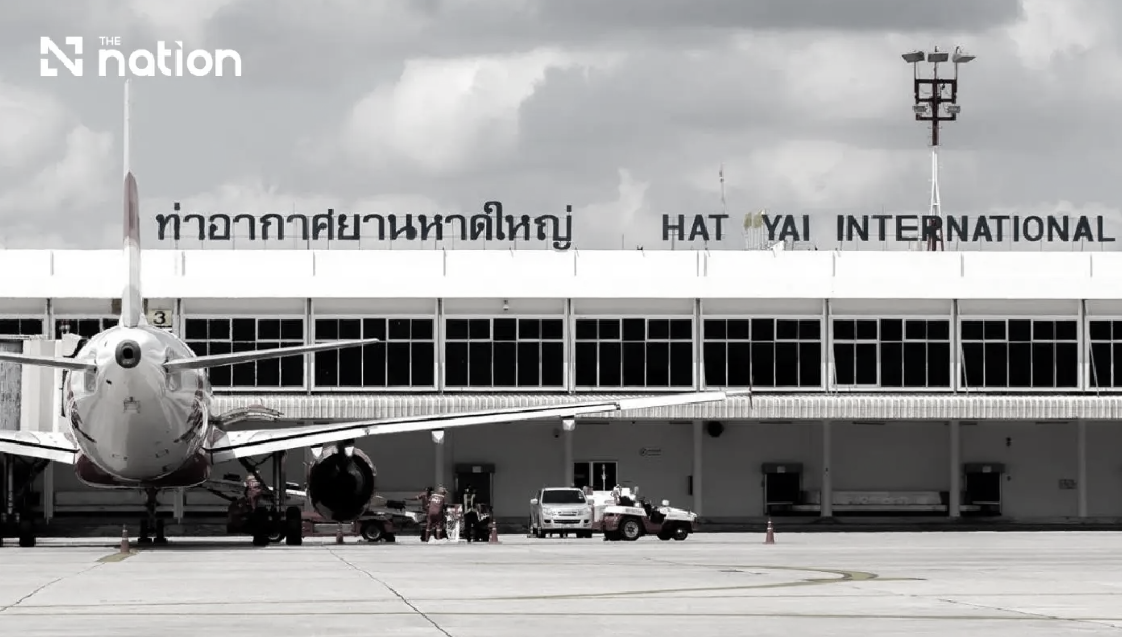
Hat Yai International Airport in southern Thailand was forced to shut down Runway 26 on Wednesday afternoon following an accident involving one of its fire-fighting vehicles, disrupting flight operations and compelling several arriving aircraft to change course for alternative landing sites. The incident, which occurred on June 17, prompted airport authorities to issue a Notice to Airmen (NOTAM) restricting runway usage for nearly three hours, from 1.55pm until 4.30pm, while emergency personnel contained and cleared the accident scene. This closure of the airport's primary landing facility created immediate challenges for incoming traffic and rippled through the region's aviation network.
The temporary shutdown immediately affected multiple carriers attempting to land at Hat Yai, with flight-tracking data from Flightradar24 confirming that at least two scheduled services were diverted elsewhere on Wednesday. Thai Airways International flight TG263 and Thai Lion Air flight SL712 were both rerouted to Krabi Airport, roughly 150 kilometres away, forcing passengers to endure extended flight times and disrupted ground transportation arrangements. The decision to divert flights rather than hold them in a holding pattern reflected safety protocol, as accepting aircraft during runway work could have created additional hazards given the ongoing emergency response activity on the tarmac.
Airport officials prioritised safety throughout the incident, citing security concerns as the primary rationale for extending the closure period and thoroughly inspecting the runway before permitting operations to resume. While specific details about the fire engine accident itself remained limited, authorities made clear that comprehensive clearing and validation of the runway surface was essential before normal flight operations could safely recommence. This cautious approach, though operationally inconvenient, underscores international aviation safety standards that mandate thorough inspection protocols following any incident affecting critical infrastructure.
Passengers affected by the disruptions faced uncertainty during the afternoon, with airlines initially providing minimal information about the underlying cause or expected resolution timeframe. Those with relatives on affected flights encountered particular anxiety; one contact attempting to obtain clarity from airport information staff received only vague confirmation that an unspecified emergency had occurred, without substantive explanation of the situation or timeline for normality. This communication gap highlighted the sometimes strained relationship between airport operations and passenger transparency during unfolding crises.
For Hat Yai International Airport, which serves as a crucial gateway for both domestic travel within Thailand and regional connections to Malaysia and other Southeast Asian destinations, any runway closure carries significant operational consequences. The airport handles considerable traffic volume, particularly during peak travel seasons, and even brief shutdowns create cascading delays affecting subsequent flights throughout the day. This incident demonstrates the vulnerability of single-runway operations to disruption and the interconnected nature of modern aviation networks, where a local problem quickly becomes a regional concern.
The diversion to Krabi Airport, while necessary, imposed substantial costs on airlines and inconvenience on passengers. Krabi, serving the popular Andaman tourist region, operates at considerable capacity during peak periods, making sudden acceptance of diverted traffic a logistical challenge. Airlines had to arrange ground transportation to move passengers from Krabi back to Hat Yai, process rebooking requests, and manage meal and accommodation provisions for significantly delayed travellers, all unforeseen expenses resulting from the runway incident.
For Malaysian readers and businesses with connections to southern Thailand, this incident underscores the operational realities of cross-border regional travel. Hat Yai's proximity to Malaysia—merely 40 kilometres from the border—makes it a frequently used alternative to Kuala Lumpur or Kuala Terengganu airports for residents of Kelantan, Terengganu, and Kedah seeking quick access to Songkhla Province and broader Thailand connections. Any disruption here affects Malaysian travellers and freight operators who depend on stable, predictable flight schedules.
Through the afternoon, Thai Airways flight TG263 eventually touched down safely at Krabi, allowing that service's passengers to disembark and make alternative arrangements, though the incident had already consumed several additional hours of their journey time. The safe outcome provided some reassurance that despite the operational disruption, aviation safety systems functioned as designed, with crews responding appropriately to changed circumstances and landing procedures adapting successfully to alternative airports.
The incident also raises broader questions about infrastructure maintenance and emergency response protocols at regional airports. Fire-fighting vehicles are essential airport safety assets, and accidents involving them are statistically unusual, suggesting this may represent an isolated incident rather than systematic operational failure. Nevertheless, the event will likely prompt Hat Yai Airport to review operational procedures, vehicle maintenance schedules, and emergency response coordination to identify any preventative improvements.
As regional aviation continues expanding, incidents like this remind stakeholders that airport infrastructure, while generally reliable, remains vulnerable to unforeseen circumstances requiring immediate, coordinated responses. Hat Yai's recovery to normal operations by evening demonstrated competent crisis management, but the afternoon's disruptions served as a practical reminder to travellers and operators of the importance of building flexibility into travel plans and maintaining communication with airlines regarding real-time operational changes affecting their flights.