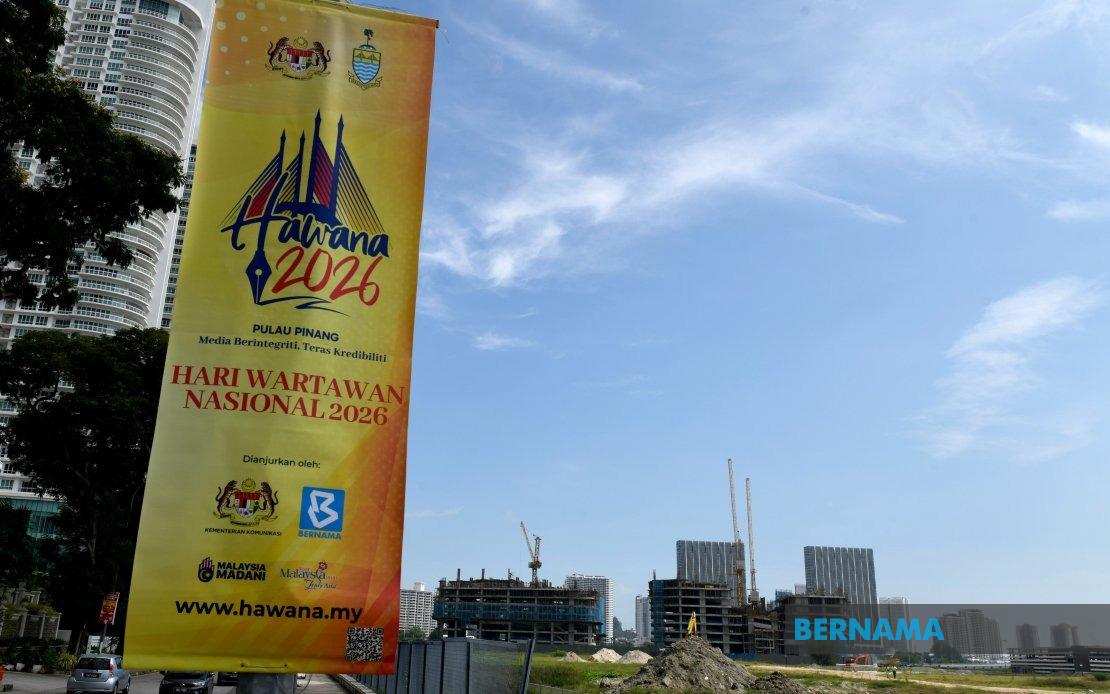
Penang is preparing to welcome the National Journalists' Day (HAWANA) 2026 celebration as host state for the first time, a milestone the state government believes will generate substantial economic activity and amplify the region's international profile. The three-day event, commencing June 19 at venues centred on Seberang Perai, represents a significant endorsement of Penang's capability to manage major regional gatherings and its standing as a premier tourism destination in Malaysia. State Tourism and Creative Economy Committee chairman Wong Hon Wai outlined in remarks to Bernama how the occasion will leverage Penang's reputation to attract investment and visitor interest across multiple sectors.
The selection of Penang as inaugural host recognises the state's established strengths in hospitality infrastructure and its appeal across Southeast Asia, according to Wong. The event creates a platform to showcase Penang's layered cultural offerings, celebrated food scene, and thriving independent creative community to an influential audience of journalists and media professionals. Wong emphasised that such visibility translates into sustained competitive advantage, positioning Penang alongside Malaysia's most recognised tourism brands in regional and international consciousness. The economic multiplier effects extend throughout the visitor economy, from accommodation through dining, retail, and attractions, generating revenue across numerous touchpoints in the local ecosystem.
Hotels and tourism operators have already reported robust advance bookings ahead of the June 19-21 window, Wong noted, indicating strong confidence from the industry in sustained visitor demand during the event period. Seberang Perai's capacity for large-scale accommodation reflects strategic planning that ensures the influx of media delegates and accompanying visitors can be comfortably hosted. This operational readiness demonstrates that tourism infrastructure development in Penang has reached a maturity enabling it to absorb sudden spikes in visitor volume without service disruptions—a critical factor in preserving destination reputation and encouraging repeat visitation among international professionals.
Wong articulated a philosophy positioning media as essential partners in destination marketing and economic development strategy. The visibility generated when professional journalists document and share their experiences creates authentic third-party validation that paid advertising cannot replicate. For destinations competing in crowded tourism markets, media coverage from credible sources carries outsized influence on prospective visitors' decision-making. In Penang's case, exposure across Malaysian and ASEAN media networks directly reaches the regional audience segments most likely to convert into actual tourists, offering superior return on investment compared to traditional promotional spending.
Beyond immediate tourism stimulus, Wong highlighted media's catalytic role in elevating the creative economy. Journalists and content creators amplify visibility for local artistic talent, design innovation, and cultural enterprises, building markets and attracting investment capital to these sectors. For a state positioning itself as a creative hub in Southeast Asia, this media attention functions as essential infrastructure for ecosystem development. When international professionals witness Penang's creative output firsthand and subsequently feature it in their coverage, they create awareness channels that independent businesses struggle to access through conventional means.
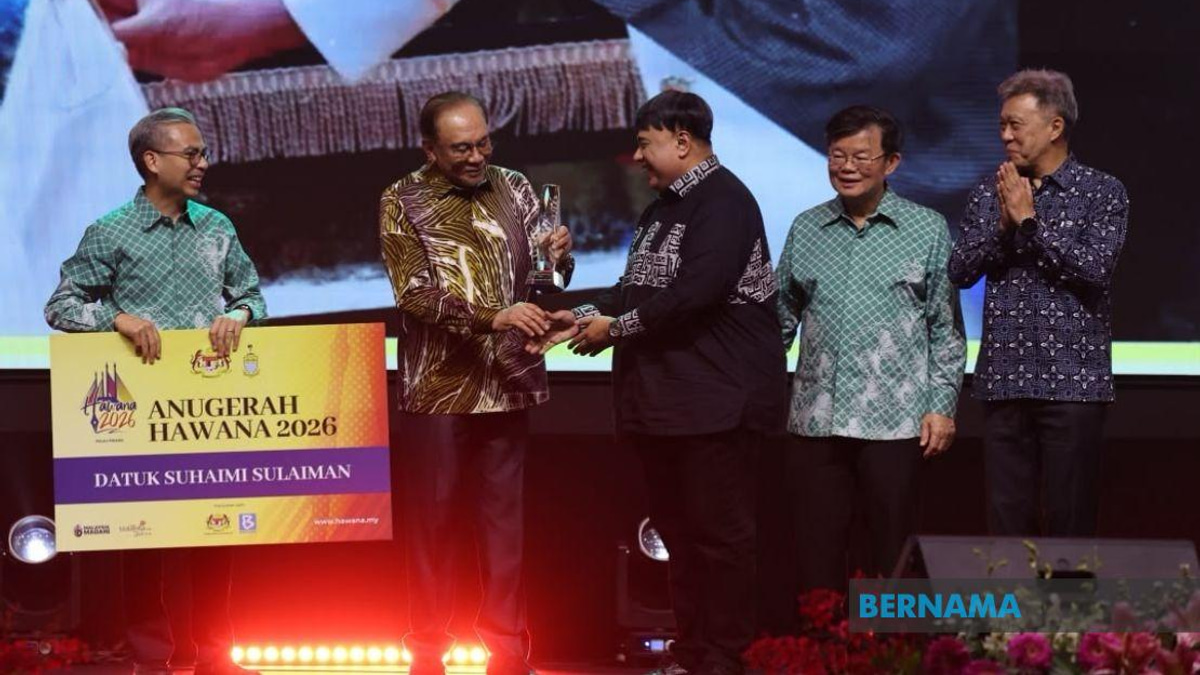
The headline event will occur on June 20 when Prime Minister Datuk Seri Anwar Ibrahim officiates proceedings at the PICCA Convention Centre @ Butterworth Arena, expected to draw approximately 1,000 media practitioners from across Malaysia and the broader region. The gathering under the theme 'Media Integrity Strengthens Credibility' reflects broader industry concerns about maintaining professional standards in an era of information fragmentation. As Bernama, the national news agency, executes the programme under Ministry of Communications direction, the occasion carries official imprimatur recognising journalism's professional contributions to Malaysian society.
Parallel to the main professional gathering, organisers have scheduled the RIUH Pi HAWANA Carnival—a three-day public-facing festival projected to attract approximately 30,000 attendees at the convention centre grounds. This programming decision effectively segments the audience: professionals attending the journalists' conference occupy one track, while general audiences engage with creative industry showcases and entertainment programming. The carnival structure democratises access to the broader HAWANA narrative, allowing residents and casual visitors to participate in celebration of media and creativity without necessarily attending formal conference sessions.
The carnival programme features over 24 local creative brands, providing direct market access and consumer exposure for emerging and established producers operating across design, fashion, digital media, and artisanal sectors. Twenty food vendors represent Penang's celebrated gastronomic identity, allowing visitors to experience the culinary foundations underlying the state's tourism appeal. This functional integration of food within the broader creative economy narrative reflects contemporary understanding that gastronomy constitutes legitimate creative expression deserving recognition alongside visual arts or music—a framing that elevates the economic and cultural significance of food businesses within Penang's broader creative ecosystem.
Sixteen live stage performances from local artists including Exists, Bunkface, Masdo, Sakura Band, Budak Nakal Hujung Simpang, and Chelsea Ng anchor the entertainment programming. The curation demonstrates intentional inclusion of diverse musical genres and generational representation, signalling that Penang's creative identity encompasses both established acts and emerging voices. For these performers, the carnival provides visibility to audiences who might not typically access live music venues, effectively democratising exposure and creating pathways for fan discovery and engagement. The free-admission structure removes financial barriers to attendance, maximising demographic reach and ensuring economic benefits distribute across broader portions of the population.
For Malaysia and the Southeast Asian region, Penang's hosting of HAWANA 2026 signals confidence in the state's capacity to manage complex, multi-stakeholder events that blend professional conferences with public programming. The event model itself—pairing industry-focused formal proceedings with accessible public engagement—offers a template replicable across other regional destinations and industries. As Penang positions itself within increasingly competitive regional creative and tourism markets, successful delivery of a marquee event like HAWANA 2026 accumulates reputational capital that translates into competitive advantage across multiple tourism and investment decision contexts.
The confluence of professional media attention, public engagement, direct economic activity from visitor spending, and reputational positioning creates a complex value proposition extending well beyond the June 19-21 window. Media coverage of the event itself generates promotional content circulating through months following the celebration. Participants' documented experiences and published reflections create enduring digital footprints indexable by search algorithms, continuously attracting prospective visitors researching Penang as a destination. Strategic event hosting thus functions as long-term infrastructure investment in destination brand development, with returns accruing across multiple fiscal years and across multiple tourism and creative economy metrics that formal economic assessments may struggle to fully capture.