The National Journalists' Day celebration in Penang will debut an exclusive line of commemorative merchandise as the event opens its doors on June 20, offering journalists and attendees tangible mementos of the occasion. The limited-edition collection has been specifically designed and produced to commemorate HAWANA 2026, Malaysia's premier annual gathering of media professionals, which carries particular significance this year given the heightened scrutiny on journalistic standards and press freedom across the region.
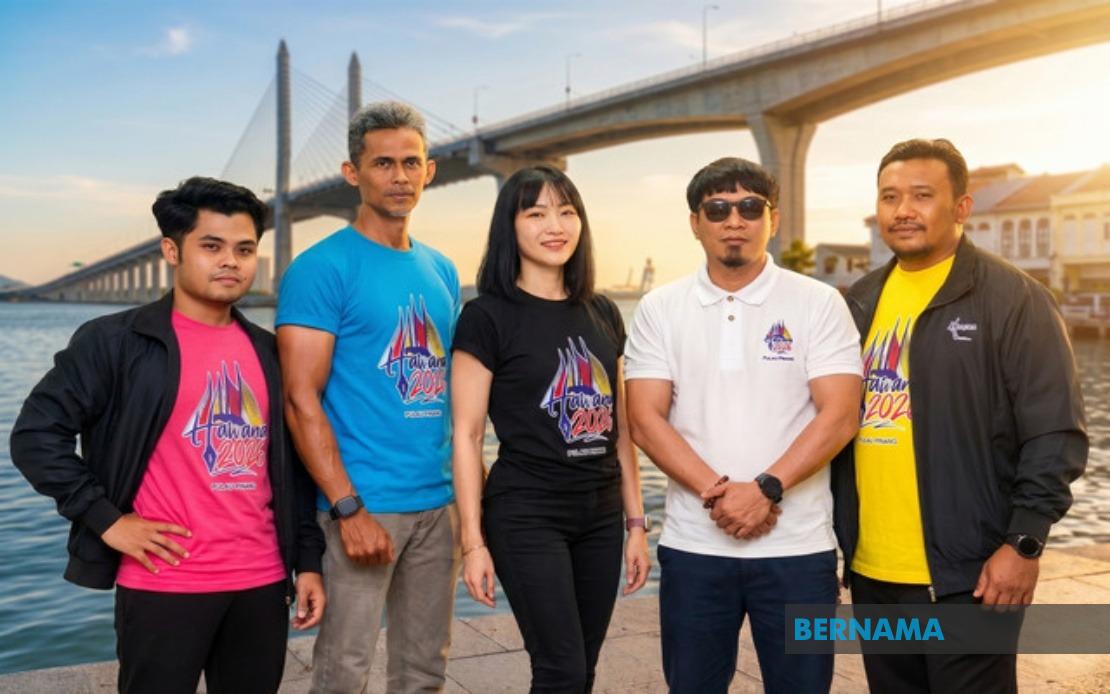
The merchandise line consists of three distinct apparel items, each bearing the official HAWANA 2026 branding and identity. A bomber jacket priced at RM59 anchors the collection as the premium offering, complemented by a collared T-shirt at RM37 and a round-neck alternative at RM30. These price points position the items as accessible souvenirs for working journalists, many of whom operate on modest budgets, while maintaining a professional aesthetic suitable for media practitioners to wear with pride.
Availability will be confined to the HAWANA Official Merchandise booth situated within PICCA@ Arena Butterworth Convention Centre, the primary venue hosting the week's celebrations. This concentrated retail approach ensures that the curated selection remains exclusive to attendees while creating an in-person shopping experience that encourages event participation. The HAWANA 2026 Secretariat has indicated that supplies will be limited and available only while stocks persist, lending urgency to potential purchasers and reinforcing the commemorative nature of these items.
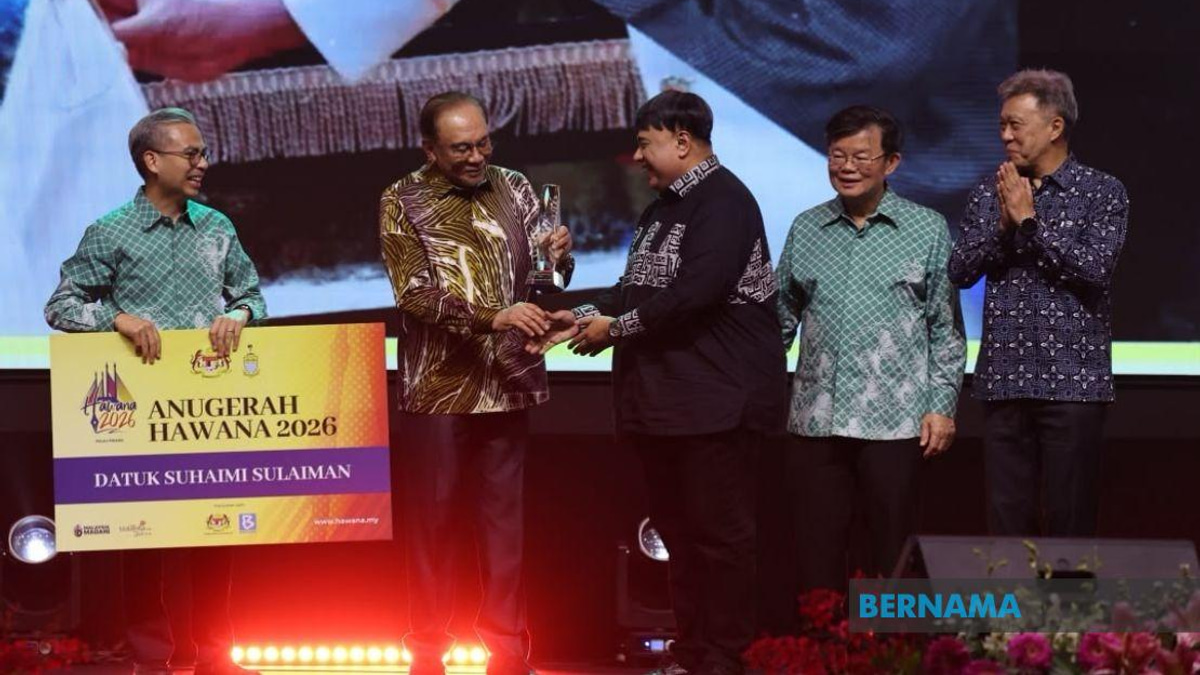
The broader HAWANA 2026 celebration represents a significant moment for Malaysia's journalism community, particularly as it unfolds during a period when media independence and credibility face sustained challenges internationally. Themed "Media Integrity Strengthens Credibility", the event directly addresses contemporary concerns about journalistic standards and the public's trust in news institutions. Prime Minister Datuk Seri Anwar Ibrahim will officiate the main proceedings, underscoring the government's recognition of journalism's central role in democratic governance and national development.
For Southeast Asian journalists observing the Malaysian media landscape, HAWANA 2026 demonstrates how professional organisations can leverage commemorative programming to reinforce institutional values and foster community cohesion. The merchandise initiative, though seemingly modest, serves a deeper purpose—transforming abstract commitments to media integrity into tangible symbols that practitioners can carry forward into their daily work. This approach mirrors successful professional recognition initiatives across the region, where symbolic acknowledgment of journalistic contribution strengthens practitioner morale and public perception.
The Ministry of Communications has positioned HAWANA 2026 as the largest gathering of media practitioners in Malaysia, with Bernama, the Malaysian National News Agency, serving as the implementing body. This designation reflects the event's stature within the country's media ecosystem and its significance as an annual touchstone for professional reflection and networking. The merchandise component adds a commercial dimension that supports event sustainability while generating modest revenue streams that extend the celebration's reach beyond the immediate gathering.
Extending beyond the June 20 centrepiece, the Penang edition incorporates the RIUH Pi HAWANA Carnival, a three-day programme commencing June 19 that integrates creative arts, dialogue sessions, and family-friendly activities. This broader programming framework attempts to democratise the HAWANA narrative beyond the professional journalist community, inviting public engagement with themes of media literacy and institutional credibility. Such expansive design reflects recognition that journalism's societal standing depends not merely on professional self-regulation but on broader public understanding and appreciation of journalistic function.
The merchandise collection's design aesthetic, while not detailed in available announcements, presumably incorporates visual elements that resonate with the "Media Integrity Strengthens Credibility" theme. For Malaysian journalists purchasing these items, they represent more than casual apparel; they function as badges of professional identity during a period when journalism faces financial pressures, audience fragmentation, and political scrutiny. The ability to wear branded merchandise identifying oneself as a HAWANA 2026 participant signals commitment to professional standards and participation in an institution-building exercise.
For regional observers, the HAWANA merchandise initiative provides a case study in how professional organisations navigate tensions between commercial viability and institutional mission. By offering merchandise, HAWANA 2026 generates ancillary revenue while creating revenue-neutral engagement opportunities for practitioners who cannot afford higher-priced conference registration or travel. This democratisation of participation reflects pragmatic recognition that journalism's future depends on including practitioners across economic strata, not merely elite participants.
The limited availability strategy deserves particular attention, as it creates scarcity value that encourages immediate purchasing decisions while maintaining exclusivity that appeals to commemorative collectors. In an era when merchandise serves as social signalling—particularly when shared across digital platforms—the HAWANA collection potentially generates organic marketing through practitioners photographing and sharing their purchases, extending the event's visibility beyond Penang and potentially reaching journalism communities across Southeast Asia and beyond.
Ultimately, the HAWANA 2026 merchandise launch exemplifies how professional organisations operationalise abstract commitments through material culture. By transforming the "Media Integrity Strengthens Credibility" theme into wearable items, the celebration moves beyond rhetorical assertions into embodied practice, encouraging practitioners to literally carry their institutional values forward. For Malaysian journalism and its standing within the broader Southeast Asian media landscape, such comprehensive programming—merging professional development, community engagement, and accessible symbols of professional identity—reinforces the sector's capacity for self-renewal and institutional strengthening.