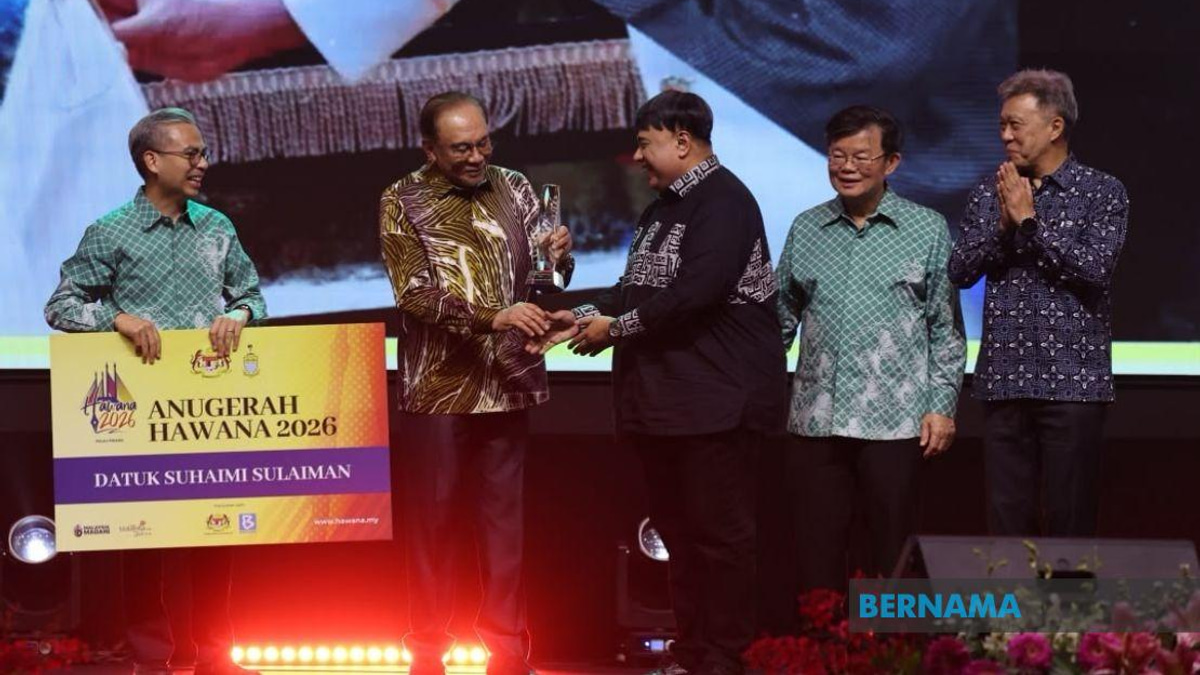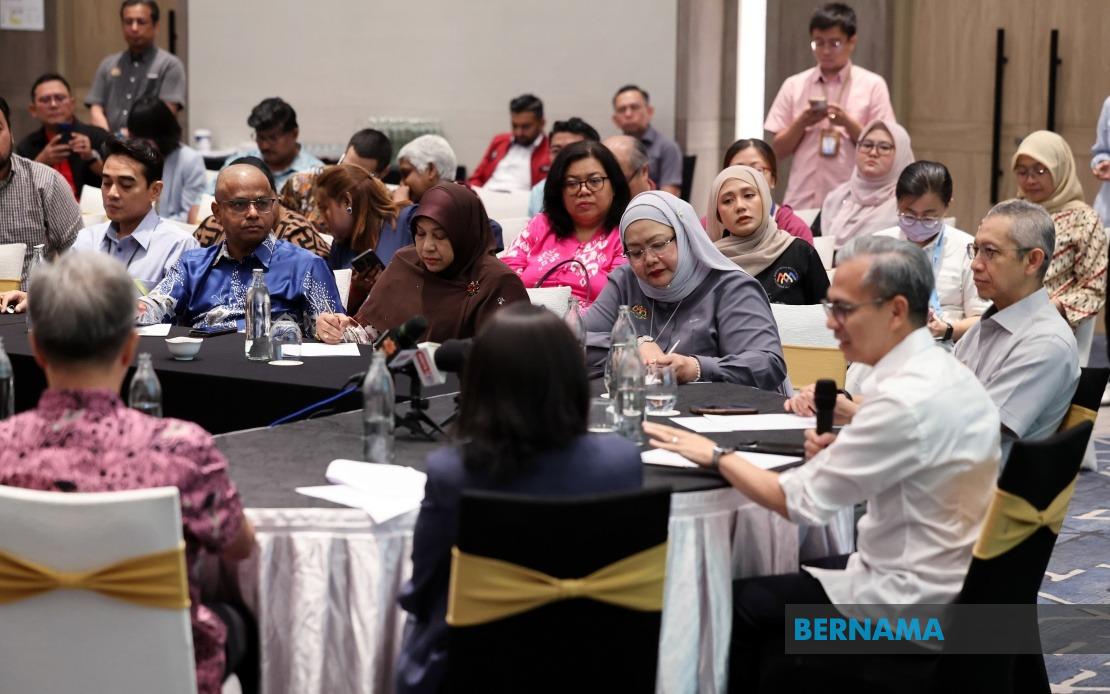
The HAWANA 2026 Summit officially commenced at PICCA@Arena Butterworth Convention Centre on June 20, marking a significant gathering of media professionals and strategic stakeholders from Malaysia and across Southeast Asia. The early arrivals of delegates and practitioners underscored the importance of the event, which carries the theme 'Media Integrity Strengthens Credibility' and aims to reaffirm the media's essential role in societies throughout the region.
The convention centre has become a hub of activity as participants reconnected with peers from diverse media organisations, taking advantage of the opening day to explore exhibition booths and visit a curated photo gallery in the foyer. These informal networking opportunities represent more than mere socialising—they reflect the collaborative spirit that underpins Southeast Asian journalism and the longstanding professional relationships that bind together newsrooms across borders. For many practitioners accustomed to tight editorial deadlines, the summit provides a rare chance to step back from daily operations and engage in broader conversations about industry trends and shared challenges.
The presence of ASEAN delegates at the summit signals a deliberate effort to elevate HAWANA beyond Malaysia's national boundaries. This regional dimension is particularly significant in an era when misinformation spreads rapidly across digital platforms and when journalists in smaller countries often face resource constraints and external pressures. By bringing together media voices from multiple ASEAN nations, the summit creates space for practitioners to exchange experiences, discuss common obstacles, and potentially establish frameworks for greater cooperation on transnational reporting and fact-checking initiatives.
Organised by Malaysia's Ministry of Communications with the Malaysian National News Agency (Bernama) serving as the implementing authority, HAWANA functions as an annual recognition platform for the journalism profession. The event honours the commitment, expertise and output of media practitioners who navigate complex informational landscapes while striving to deliver news that is accurate, thoroughly verified and worthy of public trust. In an environment where journalism faces mounting scrutiny and pressure from various quarters, such formal acknowledgment carries symbolic weight.
The summit's theme directly addresses one of contemporary journalism's most pressing concerns. Media integrity—encompassing ethical reporting, transparent sourcing, and accountability for errors—has become the cornerstone upon which news organisations rebuild and maintain public confidence. Across ASEAN, where media landscapes vary widely in terms of regulation, commercial pressures and political constraints, the discussion of credibility mechanisms and editorial standards holds particular relevance. Different countries face distinct challenges: some struggle with foreign disinformation campaigns, others with domestic polarisation, and still others with the erosion of media economics that threatens sustainable journalism.
The anticipated attendance of approximately 1,000 media practitioners represents a substantial assembly of the region's journalistic talent and leadership. This scale allows for meaningful dialogue across different media sectors—from traditional broadcasting and print to digital-native outlets and independent news platforms. The diversity of participants creates opportunities for established journalists to mentor emerging talent, for different outlets to learn from each other's innovations, and for the profession collectively to address systemic issues that no single organisation can solve alone.
Prime Minister Datuk Seri Anwar Ibrahim's formal officiation of the summit demonstrates governmental recognition of journalism's societal importance and signals Malaysia's commitment to supporting press freedom and professional standards. The participation of a sitting prime minister at a media industry gathering also provides an occasion for direct dialogue between government and the press corps, an interaction essential in democracies where accountability and transparency depend partly on constructive tension between these institutions.
The Malaysian National News Agency's role as the implementing partner reflects Bernama's established position within the country's information ecosystem. As Southeast Asia's oldest news agency, Bernama has long positioned itself as a standards-setter for journalistic practice, and its stewardship of HAWANA reinforces this identity. The agency's involvement also ensures that the summit maintains consistent quality and that outcomes from the gathering feed into broader conversations about news industry best practices.
For Malaysian readers and the broader regional audience, HAWANA 2026 represents more than a professional gathering—it embodies the region's ongoing struggle to sustain quality journalism amid technological disruption, economic pressure and political complexity. The summit's focus on credibility directly addresses public concerns about distinguishing trustworthy reporting from misinformation, a distinction increasingly difficult to make in cluttered digital information environments. By convening leading practitioners to discuss integrity standards, the event contributes to the profession's effort to earn back confidence that surveys consistently show has declined in recent years throughout ASEAN and globally.