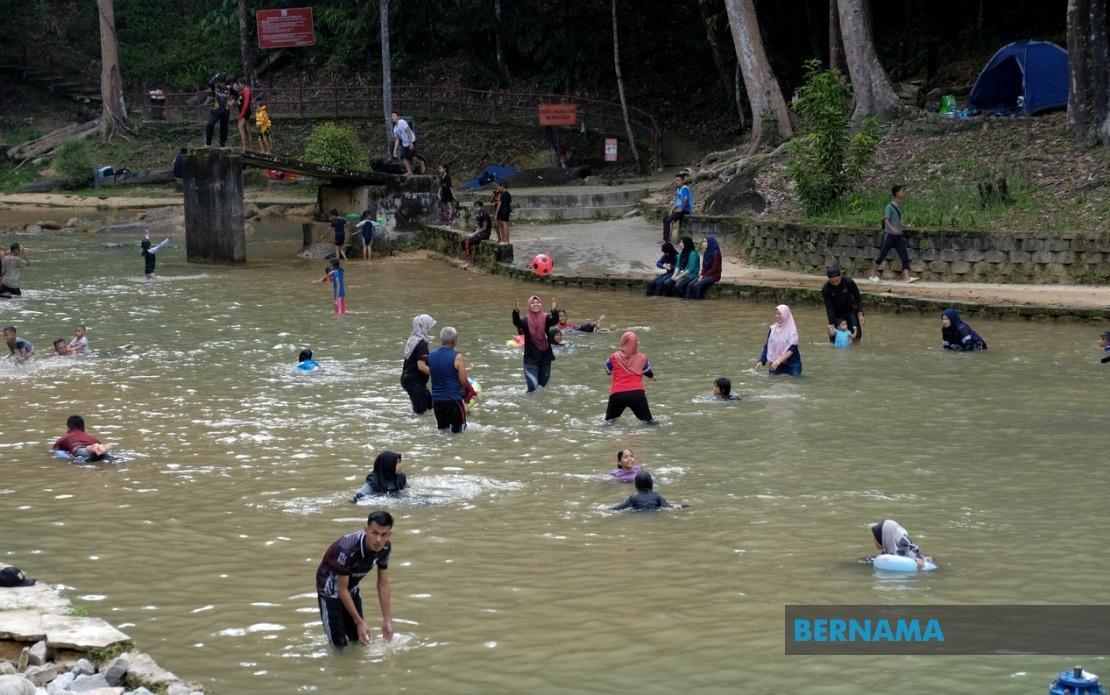
The Pahang State Health Department has launched a formal investigation into reports that multiple visitors to a popular recreational area near Bentong contracted acute gastroenteritis after swimming in a local river. The allegations centre on symptoms including diarrhoea, vomiting and fever experienced by visitors to the site, raising concerns about water safety at the destination. The development highlights ongoing vigilance required by Malaysian health authorities over waterborne illnesses, particularly given the country's tropical climate and the popularity of river-based recreation throughout the region.
Initial findings from the Pahang health authorities suggest no immediate cause for alarm. According to statements released by the department, the risk assessment completed to date has not uncovered any formal reports of food poisoning incidents or unusual clusters of acute gastroenteritis cases through established surveillance networks. This measured approach reflects standard public health protocol, which relies on documented cases rather than unconfirmed reports to determine whether an outbreak has actually occurred. The distinction between isolated complaints and confirmed epidemiological patterns is critical for preventing unnecessary panic while ensuring genuine threats receive appropriate attention.
Water quality testing has already begun as part of the investigation's environmental component. Raw water samples were collected from multiple points along Sungai Benus in Janda Baik on June 14, with samples sent for microbiological analysis to detect harmful bacteria, viruses or parasites that might explain the reported illnesses. The results of these laboratory tests remain pending, and their findings will be crucial in determining whether the river water actually posed a health risk or whether other factors explained the visitors' symptoms. Such testing typically requires several days to complete, meaning definitive answers may not emerge immediately.
The health department is simultaneously pursuing several investigative pathways to establish the source of exposure. Active case detection efforts are underway to identify and assess anyone who experienced symptoms following visits to the recreational area, with epidemiological investigators working to establish connections between cases and pinpoint common risk factors. This systematic approach helps distinguish between genuinely linked incidents and coincidental illnesses that may have resulted from entirely different exposures. Environmental assessments of the recreational facilities themselves are also proceeding, examining sanitation infrastructure, waste management systems and overall cleanliness at the site.
Coordination with other agencies forms a key element of the response. The Pahang health authorities are working alongside relevant government bodies to conduct comprehensive water quality assessments and identify potential pollution sources upstream of the recreational area. Such collaboration is essential because river contamination often stems from multiple causes—inadequate sewage treatment, agricultural runoff, industrial discharge or improper waste disposal—that may originate some distance away. Understanding the complete picture of what enters the river helps authorities implement targeted prevention measures rather than responding only to symptoms.
Enhanced surveillance at healthcare facilities throughout the region represents another critical component of the containment strategy. Government and private health facilities in surrounding areas have been placed on heightened alert to detect any unusual increases in acute gastroenteritis cases or clusters of illness with epidemiological links to the Bentong site. This expanded monitoring creates a broader safety net, ensuring that even mild cases seeking treatment at distant clinics would be captured and reported through surveillance systems. Such vigilance proves particularly important in rural areas where visitors may travel considerable distances for medical care.
The experience underscores persistent challenges surrounding recreational water safety in Malaysia. Rivers and natural swimming areas remain popular destinations for both local families and tourists, yet water quality can fluctuate dramatically depending on seasonal factors, upstream activities and infrastructure conditions. Unlike regulated swimming pools subject to regular chlorination and testing, natural water bodies depend on environmental integrity and proper waste management across entire catchment areas. Visitors often lack reliable ways to assess whether water is safe, placing responsibility on authorities and facility operators to ensure adequate standards.
Operators of recreational facilities face explicit expectations regarding maintenance and compliance with public health standards. The health department has emphasised that premises operators must ensure sanitation facilities function properly, clean water supplies reach all areas, and sewage systems meet regulatory requirements with consistent upkeep. Regular maintenance protocols help prevent the accumulation of conditions that could harbour disease-causing organisms or allow contamination to spread. Operators who neglect these responsibilities potentially expose themselves to regulatory action and liability claims from affected visitors.
Public communication remains central to the health authority's approach. The department has advised anyone experiencing symptoms such as diarrhoea, vomiting, stomach pain or fever following river recreation to seek prompt medical examination and treatment, enabling early identification of any genuine cases. Simultaneously, authorities have discouraged public speculation about the incident, requesting that citizens obtain information exclusively from official Ministry of Health channels. This balance between transparency and preventing misinformation reflects lessons learned from previous health incidents, where unverified claims sometimes generated disproportionate public concern.
The investigation illustrates how Malaysian health systems respond to recreational water safety concerns. Rather than dismissing unconfirmed reports or overreacting to allegations, authorities employ structured investigation protocols combining environmental testing, case identification, facility inspections and enhanced surveillance. Results will ultimately determine whether the Bentong site required temporary closures, remedial work or merely routine precautions. For visitors and operators of recreational facilities throughout Pahang and beyond, the situation serves as a reminder of the importance of maintaining rigorous hygiene and sanitation standards at destinations where public health depends on environmental conditions.