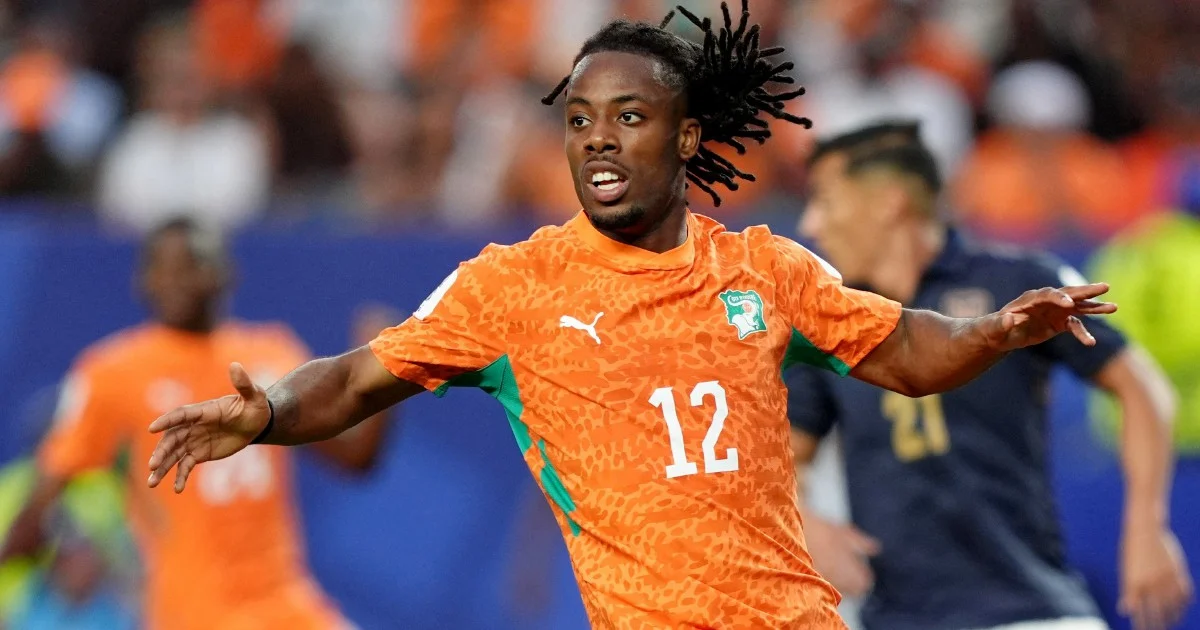
Elye Wahi, the Ivory Coast forward who started in his nation's recent World Cup triumph against Ecuador, was taken into custody last month as authorities in France pursued inquiries into suspected spot-fixing irregularities, according to reporting from The Athletic published this week.
The detention of the 20-year-old striker marks an unusual intersection of international football competition and criminal investigation, raising questions about the integrity of matches even at the highest levels of the sport. Spot-fixing—wherein specific moments within a game rather than the overall result are predetermined—has become an increasing concern for football governing bodies across Europe and beyond.
The French investigation appears to target individuals allegedly involved in manipulating aspects of matches played within French territory or involving French-based players and teams. Wahi's arrest, occurring in May, suggests the probe has been tracking suspected networks for some time before moving to the detention stage. The timing of his arrest relative to international match schedules adds another layer of complexity, as players balancing club commitments with national team duties face scrutiny from multiple jurisdictions.
Wahi's involvement in competitive play—including his selection to start for Ivory Coast in the World Cup match against Ecuador—occurred both before and potentially after his detention. This timeline raises significant questions about whether clubs and national football associations were informed of the investigation and how such information is typically managed to protect reputations while ensuring due process.
Match-fixing and spot-fixing conspiracies have periodically surfaced across European football, with various investigations revealing networks that often involve professional match-fixers, underground betting syndicates, and occasionally players or officials willing to compromise competition for financial gain. The involvement of a young international striker suggests these networks may be actively recruiting players at career inflection points—moments when financial pressures or developmental uncertainties might render them vulnerable to solicitation.
For Malaysian football observers, the Wahi case illustrates vulnerabilities within the global football ecosystem that extend beyond established elite leagues. Southeast Asian nations, including Malaysia, have grappled with their own match-fixing scandals, making international cases relevant to understanding how such schemes operate and how authorities typically respond. The French investigation demonstrates that sophisticated probes can span months before public disclosure, meaning detection may be significantly delayed.
The World Cup context adds diplomatic and organisational dimensions to the situation. With Ivory Coast participating in world football's premier tournament and Wahi representing his nation on that stage, any allegations create awkward complications for both the player's national association and the international governing bodies overseeing competition integrity.
Spot-fixing represents a particularly insidious threat to football because it bypasses the obvious red flags associated with match-fixing conspiracies that determine overall results. By targeting specific moments—such as which team receives a particular corner kick, when a yellow card is issued, or the timing of goals—fixers can manipulate betting markets while maintaining plausible deniability about competitive integrity. Detecting such schemes requires sophisticated statistical analysis and extensive investigation.
For Wahi personally, the arrest and investigation create significant professional jeopardy. Even if ultimately exonerated, being named in a criminal probe can damage player marketability, affect sponsorship opportunities, and influence future transfer prospects. Clubs investing in young talent increasingly conduct comprehensive due diligence investigations that would flag any ongoing legal entanglements.
The Athletic's reporting timing—well after the May arrest—suggests the information had been held confidentially pending formal charges or court proceedings in France. Media organisations typically exercise caution when reporting on active criminal investigations to avoid prejudicing legal proceedings or exposing themselves to defamation liability. The publication now may indicate the investigation has progressed sufficiently for public disclosure.
For the broader football community in Southeast Asia and Africa, the case underscores how interconnected modern football has become, with players moving across continents and operating within international regulatory frameworks. An Ivorian player arrested in France participating in a World Cup highlights how player welfare, safety, and integrity concerns transcend national boundaries and require coordinated international responses.
The investigation's scope remains unclear from available reports—whether it focuses narrowly on Wahi or encompasses a larger network of suspected fixers and collaborators. The methodology employed by French authorities and findings that emerge could inform other nations' approaches to preventing similar conspiracies. FIFA and continental confederations continue developing protocols for reporting and investigating suspected fixing, though implementation remains inconsistent across jurisdictions.
As the investigation continues, Wahi's case serves as a cautionary illustration of how the financial stakes in modern football—fuelled by global betting markets worth billions—create opportunities for criminal networks to compromise competitive integrity. The case also demonstrates that no player, regardless of international status or career trajectory, operates entirely outside vulnerability to such approaches.