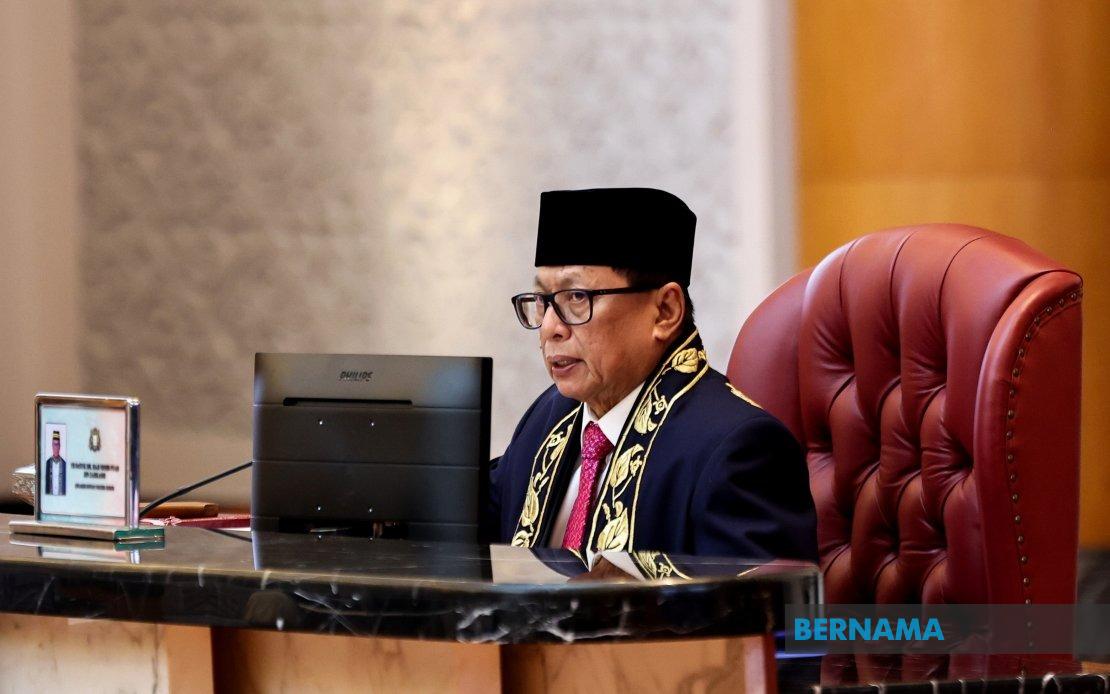
Datuk Dr Mohd Puad Zarkashi, the sitting assemblyman for Rengit and speaker of the Johor State Legislative Assembly, has announced his decision to step aside from contesting in the upcoming Johor state election scheduled for July 11. The move reflects a carefully considered withdrawal that was communicated to senior UMNO leadership two weeks prior to his public announcement on June 17, signalling an orderly transition rather than a surprise departure.
The 69-year-old politician anchored his decision on age-related considerations, projecting that he would reach 74 years old within five years should he contest and win the upcoming election. In his assessment, seeking re-election at his current life stage would be inappropriate, particularly given the demanding nature of legislative work and the need for sustained energy in representing constituents. This reasoning suggests a pragmatic evaluation of the physical and mental demands that come with extended tenure in elected office, a perspective that resonates increasingly within Malaysian political discourse as parties grapple with generational transitions.
Mohd Puad had informed UMNO president Datuk Seri Dr Ahmad Zahid Hamidi and Johor UMNO chairman Datuk Onn Hafiz Ghazi of his intentions approximately fourteen days before making the announcement public through a Facebook post. This advance notification to party hierarchy underscores the structured nature of his withdrawal and demonstrates respect for the party apparatus that would need to identify and vet replacement candidates. The timing of the communication also allowed party leadership adequate preparation time to manage succession planning without disruption.
Central to Mohd Puad's reasoning is his belief that opportunities in state-level contests should primarily benefit candidates aged fifty and under. This generational philosophy extends beyond his own constituency, as he explicitly advocated for a broader principle within the party: that younger aspirants should receive priority consideration for available seats. Such thinking aligns with contemporary debates in Malaysian politics concerning the need to refresh party cadres and prevent the entrenchment of ageing political structures, a concern shared across multiple parties in recent electoral cycles.
Mohd Puad has further encouraged Johor UMNO chairman Datuk Onn Hafiz Ghazi to lead an administration composed predominantly of younger legislators, positioning this generational shift as advantageous for the state's continuing governance and development objectives. By framing youth participation as essential to effective administration rather than merely tokenistic inclusion, Mohd Puad provides intellectual scaffolding for what might otherwise appear to be a pragmatic retirement decision. This narrative also subtly positions the incumbent leadership as forward-thinking rather than resistant to change, an important consideration in maintaining party unity during electoral transitions.
In his statement, Mohd Puad outlined specific qualities he believes candidate selectors should prioritize when identifying successors. These criteria—including formal education, demonstrated moral character, genuine commitment to party struggle, and comprehension of national strategic direction—establish a substantive framework for succession rather than leaving the process to patronage networks or factional considerations. By articulating these principles publicly, he creates a benchmark against which party selections can be measured and evaluated by both internal audiences and the broader electorate.
During the previous Johor state election in 2022, Mohd Puad secured victory in Rengit with a margin of 1,920 votes, demonstrating consistent electoral appeal among his constituents. This comfortable albeit not overwhelming majority provided him with a legitimate mandate to continue, making his voluntary withdrawal particularly noteworthy. Many politicians with comparable winning margins might have been tempted to seek another term, particularly given their experience and constituent relationships, making his principled exit more striking.
The political calendar remains compressed, with nomination day set for June 27—just ten days after Mohd Puad's announcement. This tight timeline means prospective candidates have minimal opportunity to mobilize support or secure endorsements, placing significant pressure on party mechanisms to identify, vet, and formally nominate replacements efficiently. The Rengit seat, previously held securely by a sitting speaker, now represents both opportunity and risk for UMNO's broader electoral strategy in Johor, as party dynamics around candidate selection become subject to heightened scrutiny.
Mohd Puad has committed to resolving outstanding administrative and legislative matters requiring his attention before nomination day arrives, suggesting he intends to maintain full functionality as speaker through the transition period. This dedication to completing pending work demonstrates professional responsibility and ensures continuity in institutional operations even as his personal political future undergoes significant recalibration. Such conscientiousness in managing the departure process reflects the institutional culture increasingly expected of senior elected officials.
In concluding his announcement, Mohd Puad expressed gratitude toward the constituents of Rengit who have supported him throughout his tenure, acknowledging their contributions to his electoral success and legislative work. He additionally conveyed appreciation to His Majesty Sultan Ibrahim, King of Malaysia, for consenting to his appointment as Johor speaker—a ceremonial courtesy that underscores the constitutional and hierarchical dimensions of state assembly operations and recognizes the sovereign's role in validating institutional appointments.
Mohd Puad's withdrawal contributes to broader patterns of generational transition occurring across Malaysia's political landscape as established figures make space for emerging cohorts. His explicit articulation of age-based reasoning and advocacy for youth inclusion provides a template—whether intentionally or not—that other senior politicians might reference when contemplating their own electoral futures. The decision also reinforces the principle within UMNO that party interest and succession planning should take precedence over individual political ambitions, a value the party has emphasized with varying degrees of consistency across different leadership transitions and factional disputes.