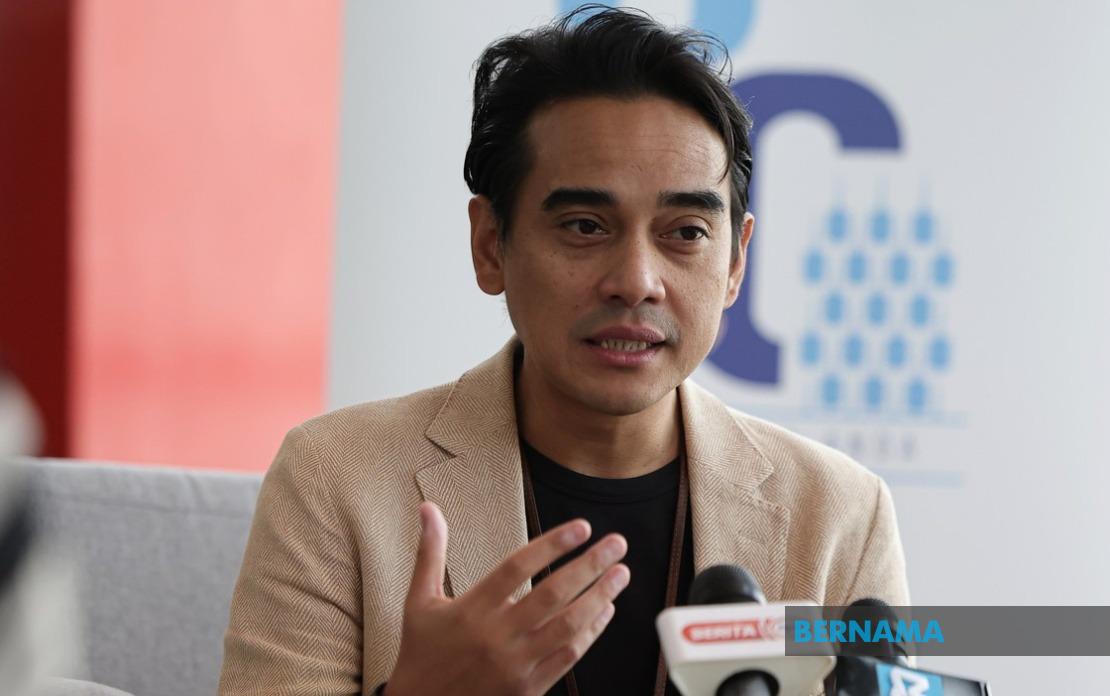
The evolving technological landscape presents both challenges and opportunities for Malaysia's journalism industry, according to Ashwad Ismail, the Director-General of Broadcasting, who delivered a stark message to media professionals: adapt or risk professional obsolescence. Speaking during an appearance on Bernama TV's The Nation programme in Kuala Lumpur on June 17, Ashwad articulated a perspective that diverges markedly from widespread anxiety within newsrooms across Southeast Asia, where artificial intelligence adoption remains contentious among practitioners protective of their livelihoods.
Rather than positioning AI as an existential threat to journalism, Ashwad reframed the technology as an instrument capable of amplifying journalistic capabilities when wielded competently. His characterisation reflects growing consensus among media leaders globally that the competitive dynamics within journalism are shifting away from whether AI will be used towards who will master its application most effectively. The distinction matters enormously for Malaysia's media ecosystem, where workforce adaptation challenges persist across both established news organisations and emerging digital platforms seeking to establish credibility in an increasingly saturated marketplace.
Ashwad's central thesis rested upon a competitive logic that journalists find both motivating and sobering: individual practitioners will not be displaced by artificial systems, but rather by competing journalists who demonstrate superior proficiency in leveraging AI to enhance their reporting capabilities, analytical depth, and output quality. This formulation acknowledges the genuine employment anxiety permeating newsrooms while simultaneously emphasising that technological competence has become a prerequisite for professional advancement. For Malaysian journalists navigating an industry already pressured by declining advertising revenues and audience fragmentation, the message underscores that skills development represents the primary defence against professional marginalisation.
The Broadcasting Director-General identified two interconnected concerns demanding urgent attention from media organisations and industry leadership. First, the demonstrated inability or reluctance of many media practitioners to adapt meaningfully to technological transitions threatens institutional capacity and individual career prospects simultaneously. Second, job losses within the sector—whether attributable to technological displacement or organisational restructuring—represent a tangible concern requiring proactive management strategies. These anxieties resonate particularly acutely in Malaysia, where media employment has contracted significantly over the past decade as traditional business models deteriorated and digital transformation proceeded unevenly across the industry.
Crucially, Ashwad insisted that AI adoption in newsrooms cannot proceed without robust governance frameworks and ethical guidelines. The emphasis on structured implementation reflects recognition that unconstrained technological deployment risks compromising editorial standards, journalistic integrity, and the human oversight essential to responsible news production. Media organisations require clear protocols establishing how AI tools may be appropriately deployed to enhance human capacity rather than substitute for journalistic judgment, editorial discretion, or accountability mechanisms. For Malaysian newsrooms, where regulatory scrutiny of media content remains pronounced and audience trust in institutional journalism has eroded measurably, governance frameworks assume heightened importance in ensuring AI applications strengthen rather than undermine public confidence.
The instrumental purpose Ashwad articulated for AI deployment—enhancing human capacities and improving journalistic products—reflects a constructive interpretation of technology's role within professional practice. Rather than envisioning AI systems autonomously generating news content or replacing editorial decision-making, this framework positions artificial intelligence as capable of accelerating research processes, identifying patterns within data, synthesising information across sources, and freeing journalists to concentrate on analysis, investigation, and storytelling. For resource-constrained Malaysian newsrooms managing multiple platforms and audiences with comparatively lean staffing, such efficiency gains potentially offer meaningful operational advantages when implemented thoughtfully.
Ashwad simultaneously identified rebuilding public trust in media institutions as inextricably linked to journalism's fundamental mission and values. He advocated that news organisations return to foundational journalistic principles, particularly through strengthening hyperlocal reporting that directly addresses community concerns and establishing substantive engagement with audiences beyond transactional content consumption. This emphasis on community-centred journalism reflects growing recognition across Southeast Asia that algorithmic content distribution and sensationalism have contributed materially to audience alienation and declining institutional trust. Hyperlocal reporting, executed with genuine commitment to understanding local dynamics and serving community information needs, potentially offers Malaysian news organisations a differentiation strategy as they compete against global digital platforms and international media properties.
The human dimension of journalism emerged as essential to Ashwad's conception of trustworthy news production and audience engagement. He argued that the personal connection between journalists and communities, the editorial judgment distinguishing important stories from trivial ones, and the accountability relationships binding news organisations to their audiences all depend fundamentally on human participation, values, and responsibility. This recognition guards against technological determinism that might assume AI systems, however sophisticated, can substitute for the ethical deliberation, contextual understanding, and community accountability that characterise legitimate journalism. For Malaysian audiences increasingly sceptical of information sources and fragmented across competing narratives, the assurance that human journalists retain editorial agency and accountability remains consequential.
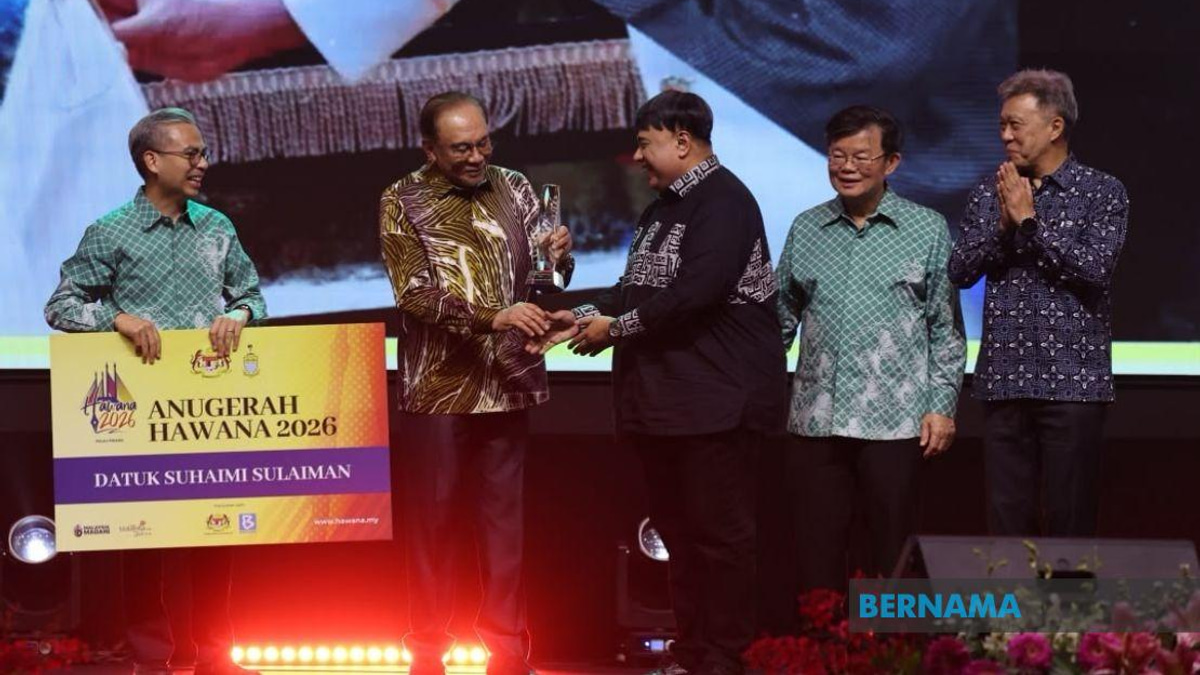
The timing of these remarks at HAWANA 2026, a major media industry convening expected to attract more than 1,200 participants including media practitioners, ASEAN delegates, and government officials, situated the discussion within broader regional conversations about media futures. The conference's official opening by Prime Minister Datuk Seri Anwar Ibrahim at PICCA Convention Centre @ Arena Butterworth, Penang on June 20 signalled government engagement with industry transformation challenges. For Malaysia's media sector, which operates within regulatory environments emphasising political stability and social harmony, the convergence of technological adaptation, professional standards, and trust-building initiatives reflects multidimensional pressures reshaping journalism across Southeast Asia.
Ashwad's framing ultimately presents both realistic acknowledgment of technological inevitability and affirmation that journalism's core functions—investigating truth, serving communities, holding power accountable, and maintaining public dialogue—remain fundamentally dependent on human competence, judgment, and ethical commitment. The challenge for Malaysian journalists and media organisations involves recognising AI as a professional tool requiring mastery rather than a threat demanding resistance, while simultaneously protecting the human-centred values and community relationships that legitimise journalism's public role. This balanced perspective may prove essential as Southeast Asia's media institutions navigate technological transformation without compromising the editorial integrity and audience trust that remain journalism's most durable competitive advantages.