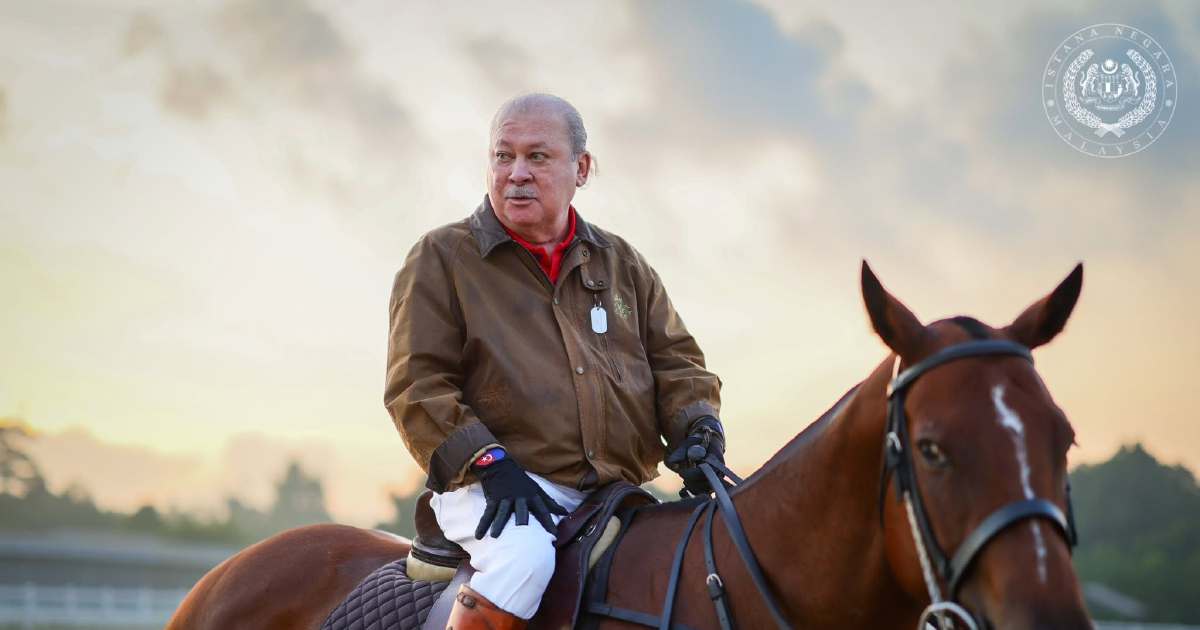
His Majesty Sultan Ibrahim, King of Malaysia, kept to his established morning fitness regimen by engaging in a horse-riding session at the Royal Johor Polo Club located in Istana Pasir Pelangi today, moving at an unhurried and composed pace throughout the activity.
The equestrian outing reflects the monarch's consistent approach to maintaining physical wellness through regular exercise, a practice that has become characteristic of his daily schedule. The choice of horse riding as a primary fitness activity aligns with both the heritage of Malaysia's royal institutions and the recognised health benefits associated with such pursuits, which combine cardiovascular exertion with balance and core strengthening.
The Royal Johor Polo Club, situated within the grounds of Istana Pasir Pelangi, serves as one of Malaysia's premier equestrian facilities and has long been associated with the royal family's recreational and sporting activities. The venue's location in Johor, the southernmost state of Peninsular Malaysia and home to the royal capital, provides convenient access for the King to engage in his preferred fitness routine while maintaining proximity to his official duties and residences.
Public demonstrations of the King's active lifestyle carry significance beyond mere personal health maintenance. Such visible engagement in physical activity by the nation's head of state often influences broader conversations about wellness and fitness culture within Malaysian society, signalling the importance placed on maintaining good health across all demographics. For a nation where sedentary lifestyles and associated health concerns have become increasingly prevalent, the example set by royal leadership can contribute meaningfully to shifting public attitudes toward exercise and physical well-being.
The relaxed manner in which His Majesty undertook the riding session, characterised as calm and composed, demonstrates an approach to fitness that emphasises sustainability and enjoyment rather than strenuous exertion. This measured approach to personal wellness aligns with contemporary medical guidance that emphasises moderate, consistent physical activity as more beneficial for long-term health outcomes than intermittent intensive exercise regimens. The horse riding routine thus represents not merely a recreational pursuit but a deliberate strategy for maintaining cardiovascular health and physical conditioning over the long term.
For Malaysian sporting enthusiasts and members of equestrian circles, continued royal patronage of activities such as polo and recreational horse riding provides institutional support for these disciplines. The presence of the King at such facilities reinforces their cultural and social significance within the Malaysian context, potentially encouraging broader participation in equestrian sports among the general population. The visibility of royal engagement with these activities helps sustain interest in horse sports across different segments of society.
Johor's position as a major centre for royal activities and governance means that such occurrences at prominent venues like the Royal Johor Polo Club often carry administrative significance alongside their wellness dimensions. The maintenance of regular routines at established facilities demonstrates continuity in royal operations and the functioning of state institutions, aspects that hold importance for public confidence in institutional stability and governance. Regular public-facing activities at such venues also maintain tangible connections between the monarchy and local communities.
The equestrian tradition within Malaysia's royal circles stretches back decades, representing a cultural continuity that links contemporary practice with historical royal pastimes. Polo and horse riding have featured prominently in the recreational pursuits of Malaysian royalty throughout the nation's modern history, establishing these activities as integral to the cultural identity of the institution. The continued engagement with these traditions by the current King reflects both personal inclination and institutional heritage.
From a broader wellness perspective, the incorporation of such activities into a demanding daily schedule underscores the challenges that senior figures face in maintaining physical fitness while managing substantial professional responsibilities. For a head of state navigating complex governance, diplomatic, and ceremonial obligations, the deliberate carving out of time for structured physical activity demonstrates a commitment to personal health management that many in high-pressure professional roles struggle to achieve. This balance between duty and self-care presents a relevant model within Malaysian corporate and government contexts, where work-life equilibrium remains a persistent challenge.
The continued maintenance of established routines and fitness practices also provides a degree of normalcy and personal consistency within an inherently public role. For an individual whose daily life and movements are subject to significant scrutiny and formal protocols, the preservation of preferred recreational activities offers continuity and psychological grounding. Such personal autonomy within the bounds of public expectation reflects a measured approach to the considerable pressures associated with holding Malaysia's highest constitutional office.


