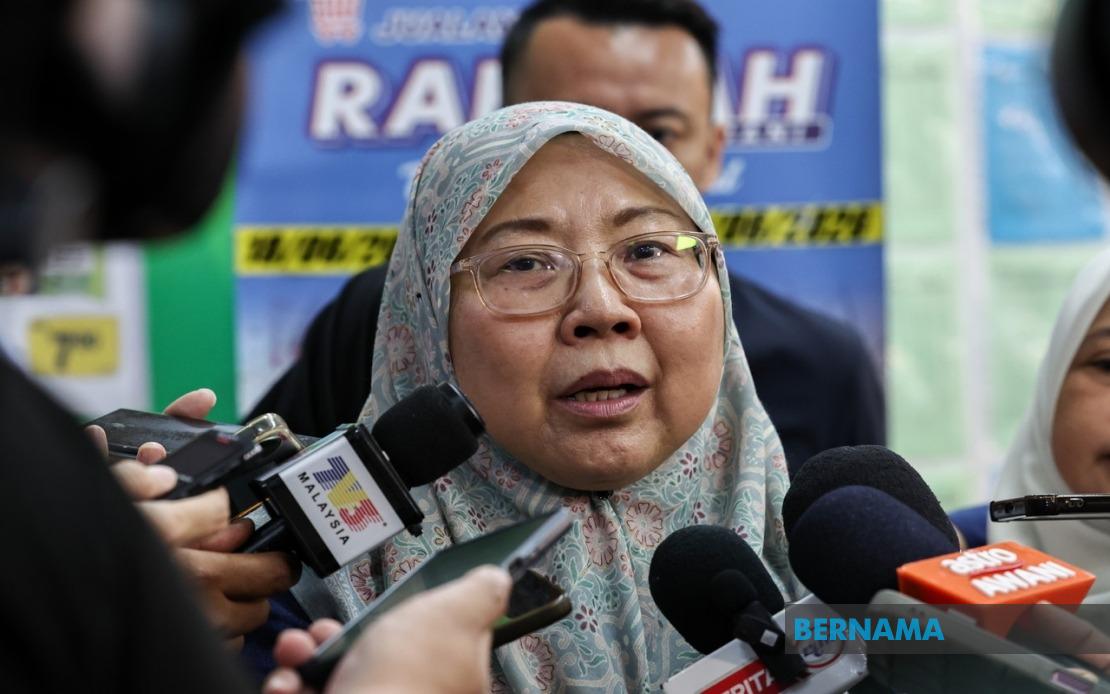
The Ministry of Domestic Trade and Cost of Living (KPDN) has given formal assurance that essential goods will remain in steady supply throughout Johor and Negeri Sembilan ahead of upcoming state elections, even as geopolitical tensions in West Asia continue driving up shipping costs globally. Deputy Minister Datuk Dr Fuziah Salleh made the commitment during an inspection of retail outlets, emphasizing that the government has implemented preventative strategies to shield consumers from potential disruptions that could emerge during the election period when demand typically surges from officials and visiting citizens.
The ministry's approach hinges on operational innovations designed to streamline distribution networks and prevent bottlenecks at critical points. Most significantly, KPDN has restructured how subsidised cooking oil reaches consumers by introducing a system that bypasses traditional wholesale intermediaries. Under this arrangement, repackers now deliver product directly to designated points of sale, reducing handling steps and potential delay points that could compromise availability. This direct-to-retail model represents a shift from conventional supply chain architecture that has historically involved multiple trading layers.
Johor's allocation of cooking oil demonstrates the scale of provisioning required for the state. The monthly quota exceeds 3,000 metric tonnes, divided among 18 repackers responsible for packaging and distribution. These suppliers feed inventory into 95 designated retail outlets spanning major supermarket chains including Econsave locations spread across different neighbourhoods. The tiered system enables authorities to track supply movements and maintain visibility over stock levels in real time, reducing the likelihood of localized shortages emerging undetected.
Security mechanisms embedded at the point of purchase reinforce the efficiency of this system. Checkout procedures now incorporate scanning requirements through mobile applications or verification of identification documents, specifically MyKad cards, to confirm that subsidised products reach only eligible Malaysian citizens. These controls address a persistent policy concern regarding price-controlled goods, where subsidy leakage has historically occurred through resale to non-citizens or diversion into parallel markets. By restricting access at the moment of transaction, KPDN aims to reduce wastage of government support meant for domestic consumers.
On-the-ground verification of inventory levels provides concrete evidence supporting the ministry's confidence in supply continuity. During the inspection at Econsave Taman Daya, officials confirmed that daily cooking oil stocks maintained approximately 100 cartons available for purchase, suggesting inventory rotation is functioning normally without signs of depletion or hoarding. This real-time observation carries weight for reassuring the public, as it demonstrates that assurances rest on documented conditions rather than projections alone.
Beyond cooking oil, KPDN's broader efforts to contain inflation and support affordability operate through the Rahmah MADANI Sales Programme (PJRM), a nationwide initiative offering discounted essential items. Since January 1 to mid-June 2026, the programme has conducted 13,692 promotional events across Malaysia, translating into approximately 1.46 million individual transactions. Johor alone has hosted 920 such events across all 56 state constituencies, drawing 2.3 million visitors. These figures suggest the programme has achieved significant penetration in the state, providing outlets where consumers can access subsidised goods beyond conventional retail channels.
The scale of PJRM participation underscores public appetite for cost-of-living relief, a political reality that backdrop the timing of these election announcements. By demonstrating active deployment of affordability measures immediately preceding voting periods, the government signals responsiveness to economic pressures affecting household budgets. The statistics cited reflect participation volume that would be visible to consumers, creating tangible evidence of intervention on their behalf.
The election calendar itself creates operational complexity for supply chains. Johor's state election is scheduled for July 11, with candidate nominations occurring on June 27 and early voting on July 7. The compressed timeframe between nomination and polling day means that campaign activities will intensify during the period when officials are most concerned about supply security. Additional foot traffic in commercial areas, increased movement of campaign teams and supporters, and temporary disruptions to normal activity patterns all carry potential to stress logistics networks.
For Malaysian consumers and businesses monitoring inflation dynamics, these assurances carry practical implications. Cooking oil remains a staple commodity whose price movements ripple through food production costs and household budgets. Johor's significance as a major commercial centre and population hub means that any localized shortage would affect pricing across the region and potentially trigger compensatory purchases that create artificial demand spikes elsewhere. Maintaining price stability in such a large market contributes to broader economic steadiness.
The ministry's acknowledgment of challenging global conditions demonstrates realistic assessment rather than denial. Rising logistics costs stemming from regional conflicts represent structural pressure that cannot be wished away through policy alone. By proactively restructuring supply chains and implementing direct distribution models, KPDN attempts to offset these external pressures through operational efficiency. This approach reflects adaptation to a new normal where traditional supply routes face sustained cost inflation.
Southeast Asian economies broadly share exposure to Middle Eastern logistics disruptions, as many rely on shipping routes passing through or near conflict zones. Malaysia's experience with maintaining supplies despite these conditions may offer lessons for neighbouring countries facing similar pressures. The specific innovations employed—direct repackager-to-retail distribution and real-time verification systems—represent replicable models that address both efficiency and subsidy leakage simultaneously.
Looking forward, the coming weeks will test whether these measures deliver on their promises. The period between nomination and polling offers a clear test case for supply chain resilience, as electoral activity creates unusual demand patterns. If shortages emerge despite KPDN's preparations, criticism will focus on the adequacy of quota allocations. If supplies remain stable, the ministry gains credibility for its operational approach heading into subsequent electoral periods, including potentially federal elections in coming years.