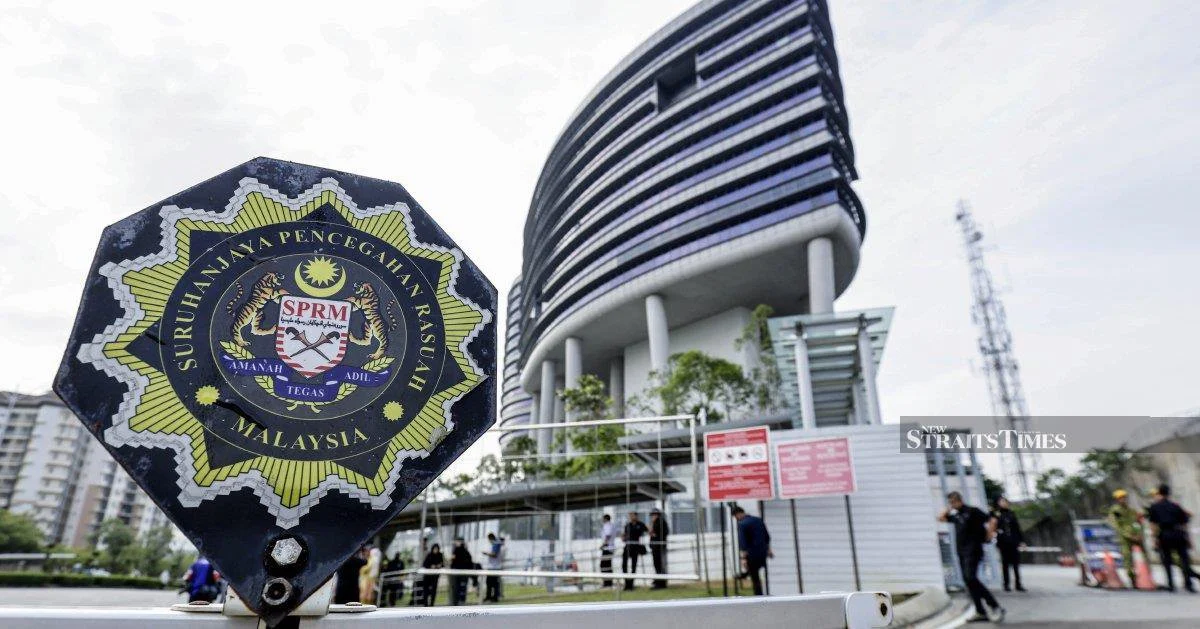
The Malaysian Anti-Corruption Commission has signalled a comprehensive examination of structural governance deficiencies embedded within the Daya Kerjaya 2.0 employment incentive scheme, a key government initiative designed to support workforce development. The decision to conduct this institutional audit comes as the anti-corruption body pursues a parallel investigation into what authorities believe are fraudulent claims valued at RM9 million connected to the programme.
The Daya Kerjaya 2.0 scheme represents a significant government investment aimed at fostering employment opportunities and skills enhancement among Malaysian workers. By examining the underlying procedural and administrative architecture that governs the programme's operations, the MACC seeks to identify systemic vulnerabilities that may have permitted irregular financial claims to proceed undetected. This two-pronged approach—addressing both individual misconduct and institutional weaknesses—reflects growing recognition that fraud prevention requires attention to the systems within which dishonesty can flourish.
The scale of the suspected fraudulent activity, pegged at RM9 million, underscores the financial stakes involved and raises questions about the adequacy of existing oversight mechanisms. Programme participants and beneficiary companies may have exploited procedural gaps to submit inflated or fabricated claims, suggesting that controls designed to validate expenditures and verify claimed outcomes were either insufficient or inconsistently applied. For Malaysian policymakers and administrators managing similar employment assistance schemes, the findings from this investigation will carry substantial implications for how public funds are safeguarded.
Governance weaknesses in employment incentive programmes are not unique to Malaysia. Across Southeast Asia, subsidised employment schemes often struggle with verification challenges, particularly when multiple implementing agencies or contractors are involved. The complexity of tracking compliance across diverse participating employers—from small enterprises to large corporations—creates natural friction points where fraudulent claims can slip through. Understanding precisely where the Daya Kerjaya 2.0 framework broke down will be instructive for regional policymakers grappling with similar challenges.
The MACC's decision to investigate both individual perpetrators and systemic defects suggests that the commission recognises the limits of prosecuting fraud cases in isolation. If the underlying governance structure remains unchanged, similar patterns of misconduct may recur, potentially affecting other government assistance programmes that share comparable administrative arrangements. This institutional perspective aligns with international best practices in corruption prevention, which emphasise that effective enforcement must be accompanied by structural reform.
From a public accountability standpoint, the governance review carries particular weight for citizens and taxpayers who depend on public programmes to deliver intended benefits fairly and efficiently. When employment incentive schemes are compromised by fraud, genuine job-seekers and honest employers may miss out on legitimate support, distorting the programme's intended distributional effects. The MACC's investigation thus serves not merely to recover misappropriated funds but to restore confidence in government employment initiatives.
The discovery of governance vulnerabilities also raises questions about how these weaknesses emerged in the first place. Were adequate resources allocated to compliance monitoring? Did implementing agencies conduct sufficient due diligence on applicants? Were digital systems sufficiently robust to cross-reference claims and detect anomalies? Such operational questions will likely feature prominently in the MACC's examination and may lead to recommendations for process improvements across other government-administered schemes.
For businesses operating in Malaysia's employment assistance ecosystem, the probe introduces uncertainty about retrospective scrutiny of their claims and eligibility. Honest companies that participated in Daya Kerjaya 2.0 may face heightened documentary requirements as the MACC verifies past transactions, even if they harboured no fraudulent intent. This collateral impact on legitimate participants represents a broader cost of systemic fraud that extends beyond the RM9 million in suspected illicit claims.
The political dimensions of this investigation should not be overlooked. Employment incentive programmes are frequently positioned as flagship policy initiatives reflecting government commitment to job creation and economic participation. A significant fraud scandal threatens that political narrative and may influence public perception of government economic competence. Depending on the investigation's findings and any subsequent prosecutions, the Daya Kerjaya 2.0 scheme's future and public confidence in similar initiatives could face material pressure.
Moving forward, the MACC's governance review will likely produce a detailed roadmap for institutional reforms intended to prevent similar occurrences. Recommendations may encompass enhanced verification protocols, stronger third-party oversight, improved data analytics capabilities to detect suspicious patterns, and clearer accountability frameworks for implementing officials. These measures, if implemented comprehensively, could serve as a model for strengthening governance across Malaysia's broader landscape of government assistance programmes.
The investigation also underscores the critical role that effective anti-corruption institutions play in protecting public resources. As Malaysia continues to navigate challenges of economic resilience and workforce development, robust enforcement mechanisms and institutional safeguards remain essential to ensuring that public funds reach their intended beneficiaries. The MACC's dual focus on individual accountability and systemic improvement represents a mature approach to corruption prevention that extends beyond mere prosecutorial activity to institutional capacity building.