Malaysia is set to intensify its outreach to young people as part of a broader strategy to counter religious extremism and the spread of misinformation in the digital sphere. The Prime Minister's Department (Religious Affairs) has committed to implementing an expanded youth engagement programme, drawing directly from guidance provided by Sultan Nazrin Shah of Perak during a recent royal address. The announcement underscores growing government concern about the vulnerability of Malaysia's younger generation to online radicalisation and divisive content.
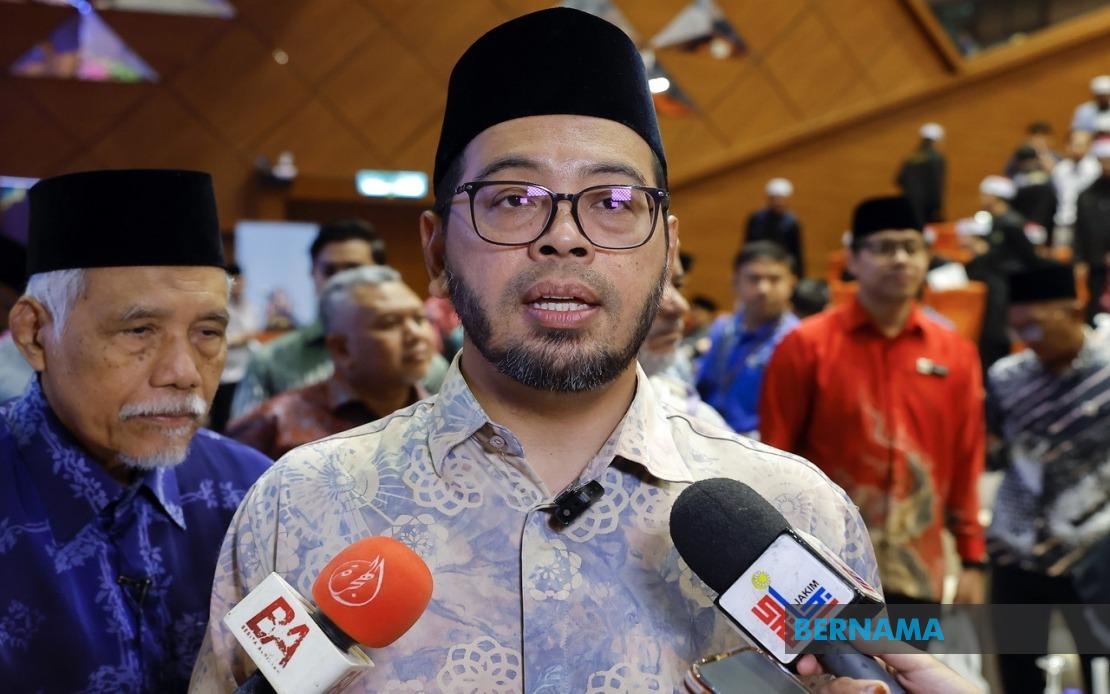
Dr Zulkifli Hasan, Minister in the Prime Minister's Department (Religious Affairs), made the commitment public on June 18 while addressing media representatives in Putrajaya. He pledged that his department would translate the Sultan's vision into concrete programmes and initiatives designed to bring religious leaders into direct dialogue with youth communities. The minister emphasised that the government views the royal guidance as a strategic framework for future policy implementation, signalling that Sultan Nazrin's concerns reflect official anxiety about emerging threats to social cohesion.
Sultan Nazrin's address, delivered the previous Friday, highlighted the multifaceted challenges confronting Malaysia's youth population in the contemporary digital landscape. Beyond extremism and false information, the Sultan identified climate anxiety, geopolitical instability, economic precarity, algorithmic polarisation, and eroding confidence in institutional structures as significant pressures bearing down on young Malaysians. This comprehensive framing suggests that policymakers recognise radicalism cannot be addressed in isolation—rather, it emerges from an ecosystem of social and psychological vulnerabilities that the digital age has both magnified and accelerated.
The Sultan's emphasis on religious leaders taking an active role carries particular weight in Malaysia's context. As custodians of moral authority in Muslim-majority communities, religious scholars and officials occupy a unique position to shape narratives and provide counter-messaging to extremist content. The implicit argument is that traditional religious institutions possess credibility that secular government messaging alone cannot match, particularly among young Muslims who may be sceptical of state-sponsored narratives. By mobilising these community figures, the government hopes to create multiple reinforcing channels through which moderate voices can reach impressionable audiences.
Dr Zulkifli's statement that the department will "mainstream" the royal messages suggests a systematic approach rather than ad hoc initiatives. This could entail integrating youth engagement objectives into existing religious education programmes, mosque-based outreach, and digital platforms where younger people congregate. Malaysia has invested significantly in counter-extremism infrastructure in recent years, yet challenges persist—lone-actor radicalisation cases periodically surface, and pro-Islamic State elements continue attempting to recruit through encrypted messaging applications. A renewed focus on engagement rather than purely enforcement-based approaches may reflect evolving understanding of what drives young people toward extremist ideologies.
The timing of this initiative reflects regional and global patterns in youth radicalisation. Across Southeast Asia, authorities have struggled to counter the appeal of transnational extremist movements, particularly among digitally native populations for whom traditional religious authority structures hold less sway. Thailand, Indonesia, and the Philippines have all grappled with similar challenges. Malaysia's response—leveraging religious leaders while addressing broader grievances around economic opportunity and social belonging—aligns with international best practice in counter-violent-extremism programming.
The National and International Tokoh Ma'al Hijrah Premier Lecture, where Dr Zulkifli made his comments, provided an appropriate venue for announcing enhanced youth engagement. The event focuses on Islamic thought leadership and contemporary religious discourse, audiences predisposed to support initiatives centred on religious guidance. Yet translating departmental commitments into effective programming will require substantial coordination. Religious leaders across Malaysia's diverse Islamic institutional landscape—from state-appointed muftis to independent scholars—must be brought into alignment, and resources must flow to communities where disengagement and grievance are most acute.
For Malaysian businesses and civil society, this policy shift carries implications. Companies operating in technology and social media sectors may face increased regulatory scrutiny regarding the algorithms and content moderation policies they deploy locally. Educational institutions could expect growing government interest in their curricula and student engagement strategies. NGOs working on youth welfare, mental health, and economic empowerment may find themselves positioned as implementation partners in a broader whole-of-society approach to protecting young people from radicalisation.
The emphasis on digital-era threats acknowledges that misinformation and extremism operate at internet speed, often outpacing traditional institutional responses. Religious scholars and leaders will need training and support to effectively engage youth through digital channels—creating content, moderating discussions, and building authentic online communities that can compete with slickly produced extremist material. This requires investment in media literacy, digital tools, and ongoing institutional support.
Looking ahead, success will depend on whether the government can move beyond symbolic commitments to sustained, adequately resourced programming. Regional neighbours' experiences suggest that youth engagement initiatives require patience; impacts accumulate over years rather than months. Additionally, authentic dialogue—rather than one-way messaging—proves more effective in building trust and resilience against extremist narratives. If Malaysia's enhanced youth engagement programmes prioritise listening to young people's concerns about climate, economics, and institutional trust, they may address root grievances rather than merely symptoms.
The Sultan's call and the government's response represent recognition that Malaysia's security increasingly depends on winning hearts and minds among young people navigating an increasingly complex information environment. Religious leaders possess moral authority, but that authority becomes credible only through genuine engagement with youth concerns. If implementation matches ambition, this initiative could serve as a model for how traditional institutions adapt to modern challenges while preserving institutional legitimacy and social cohesion.