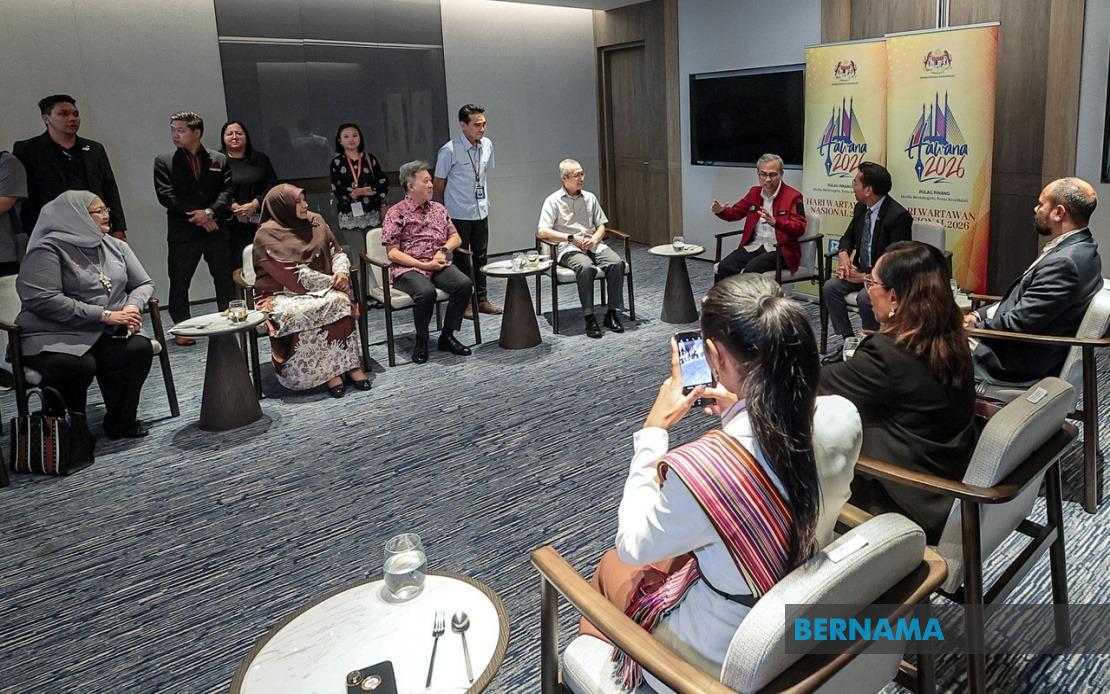
Malaysia is positioning itself to deepen institutional media relationships with Timor-Leste, with Communications Minister Datuk Fahmi Fadzil outlining plans for collaborative ventures between the two nations' broadcasting and news agencies. The initiative emerged during discussions with a high-level Timor-Leste delegation in Butterworth on June 20, signalling a broader regional approach to media development that extends beyond bilateral trade considerations into questions of press freedom and journalistic standards.
Fahmi's proposal centres on leveraging existing Malaysian media infrastructure to support Timor-Leste's communications sector. The Malaysian National News Agency, Bernama, and Radio Televisyen Malaysia (RTM) are positioned as primary vehicles for this expanded cooperation, reflecting Malaysia's confidence in these state-linked institutions as exemplars of professional practice. Additionally, Fahmi proposed that the Tun Abdul Razak Broadcasting and Information Institute (IPPTAR) establish training programmes specifically designed for Timorese journalists, creating a structured pathway for skill transfer and institutional knowledge-sharing across the Strait of Malacca.
The Timor-Leste contingent, led by Secretary of State for Social Communication Expedito Loro Dias Ximenes and accompanied by Agencia Noticiosa de Timor-Leste (TATOLI) leadership including President Noemio Mateus Soares Falcao, brought considerable credibility to the discussions. The East Timorese delegation's presence at the HAWANA 2026 conference—a gathering that attracted approximately 1,000 media practitioners from across the region—provided an ideal platform for formalising agreements that might otherwise have taken months to negotiate through conventional diplomatic channels.
A notable dimension of the talks involved candid discussion of regional press freedom metrics, particularly the Reporters Without Borders (RSF) World Press Freedom Index. Timor-Leste currently ranks first in Southeast Asia and 30th globally out of 180 countries, a ranking that underscores the relative strength of democratic institutions and journalistic independence in the former Portuguese colony. This positioning starkly contrasts with Malaysia, which Fahmi acknowledged holds second place within the region—a diplomatic way of framing a reality that has troubled media freedom advocates for years.
Fahmi's acknowledgment of Malaysia's press freedom ranking reveals an important inflection point in government messaging around media governance. The Communications Minister characterised the current MADANI administration's approach as distinctly different from its predecessors, claiming meaningful improvements over the past three to four years. This framing attempts to establish a narrative of progressive reform, suggesting that Malaysia's trajectory on press freedom metrics is ascending rather than stagnant. However, the fact that Malaysia remains behind Timor-Leste—a nation navigating profound post-conflict reconstruction challenges—indicates that structural obstacles to press independence persist despite rhetorical commitments to reform.
The diplomatic context surrounding these media discussions extends beyond professional courtesy. Southeast Asia has become increasingly attentive to questions of media integrity and information authenticity as nations grapple with disinformation, foreign interference, and the erosion of trust in public institutions. By positioning Malaysia as a partner in capacity-building for Timor-Leste's media sector, Fahmi's government seeks to establish itself as a stabilising force and knowledge provider within the region—roles that confer soft power benefits that transcend immediate bilateral relationships.
The involvement of senior officials from Malaysia's Communications Ministry, including Secretary-General Datuk Abdul Halim Hamzah and deputy secretary-general Datuk Bahria Mohd Tamil, alongside Bernama leadership including Chairman Datuk Seri Wong Chun Wai and Chief Executive Officer Datin Paduka Nur-ul Afida Kamaludin, underscores the seriousness with which the government treats this initiative. This assembly of institutional players suggests that any agreements emerging from these discussions would enjoy bureaucratic support and resource allocation necessary for implementation. The attendance of Broadcasting Director-General Ashwad Ismail further indicates that proposals extend across Malaysia's entire media ecosystem rather than remaining confined to news agencies.
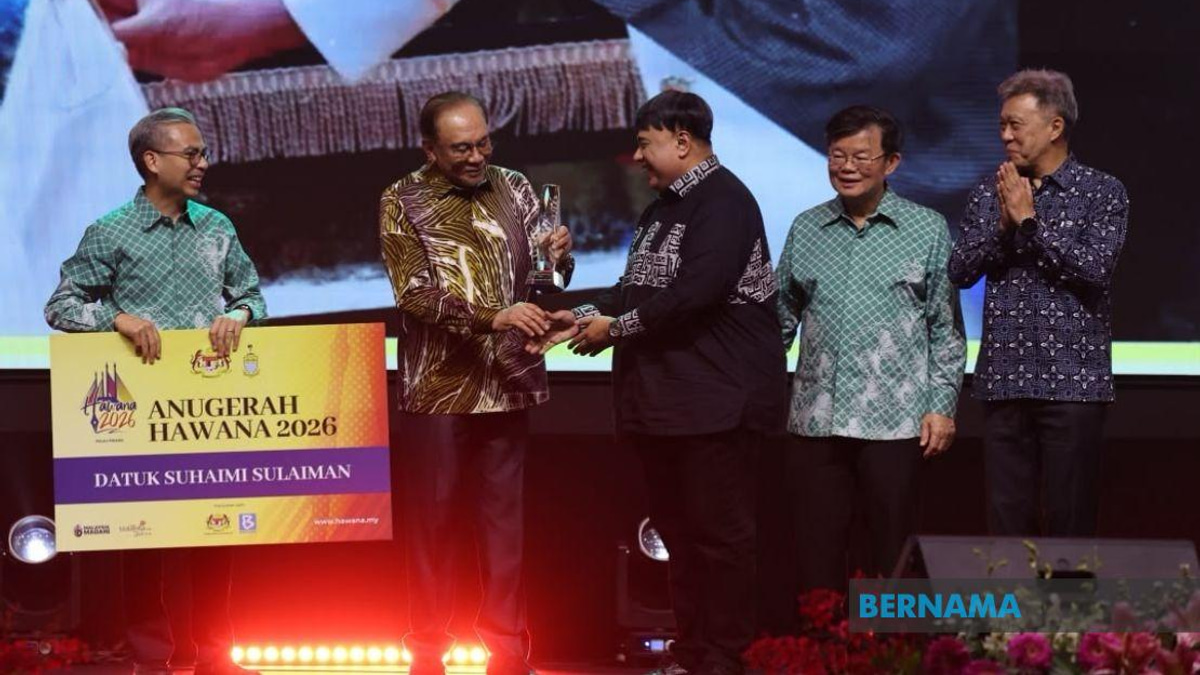
The timing of these discussions, occurring during the sixth edition of the Hawana conference under the theme 'Media Integrity Strengthens Credibility', introduces an additional layer of symbolism. Malaysian officials positioned themselves within a multilateral conversation about media ethics and institutional resilience, contexts that allowed them to address their own shortcomings while simultaneously offering expertise to a neighbour. Prime Minister Datuk Seri Anwar Ibrahim was scheduled to officiate the broader conference, indicating that media cooperation has been elevated to a level meriting prime ministerial attention.
For Timor-Leste, the prospect of formalised training and institutional partnerships with Malaysian media bodies offers practical benefits in developing professional infrastructure for journalists and news organisations. Despite the country's strong RSF ranking, resources for advanced training and institutional development remain constrained in a nation of fewer than 1.3 million people. Malaysian expertise in broadcasting operations, news production, and media management could meaningfully contribute to Timorese capacity-building efforts. The proposed journalist training through IPPTAR would create pathways for professional development that might otherwise require expensive international travel.
Malaysia's strategic interest in this partnership likely encompasses multiple objectives beyond simple goodwill. Closer media ties facilitate information exchange, cultural understanding, and people-to-people connections that strengthen diplomatic relationships. Furthermore, by positioning Malaysian institutions as partners in media development, the government subtly frames its own practices as worthy of emulation—a proposition that becomes more credible when paired with genuine institutional collaboration. Such partnerships also create informal networks among journalists and media professionals that can yield valuable intelligence and insight for Malaysian policymakers monitoring regional developments.
The broader significance of these discussions lies in how they reflect evolving regional attitudes toward media governance in Southeast Asia. Rather than treating press freedom as an external imposition or Western value, both Malaysia and Timor-Leste are engaging with it as a practical professional concern tied to institutional credibility and democratic legitimacy. This reframing moves discussions away from defensive posturing about sovereignty and toward constructive engagement with recognised international standards. Timor-Leste's strong RSF ranking demonstrates that Southeast Asian nations can achieve meaningful press freedom within their own political contexts, providing an example that challenges narratives suggesting authoritarian governance is inevitable in the region.
For Malaysian observers, the government's willingness to acknowledge its own ranking disadvantage while proposing genuine partnership with Timor-Leste suggests a more mature approach to regional relationships than existed under previous administrations. The MADANI government appears willing to learn from neighbours rather than assuming a position of uncontested superiority. Whether this rhetoric translates into substantive policy reforms affecting Malaysia's own media environment remains uncertain, but the diplomatic positioning at least opens space for such conversations. The coming months will reveal whether Fahmi's proposals for journalist training and institutional cooperation materialise into concrete programmes, and whether they contribute to measurable improvements in Malaysia's own press freedom trajectory.