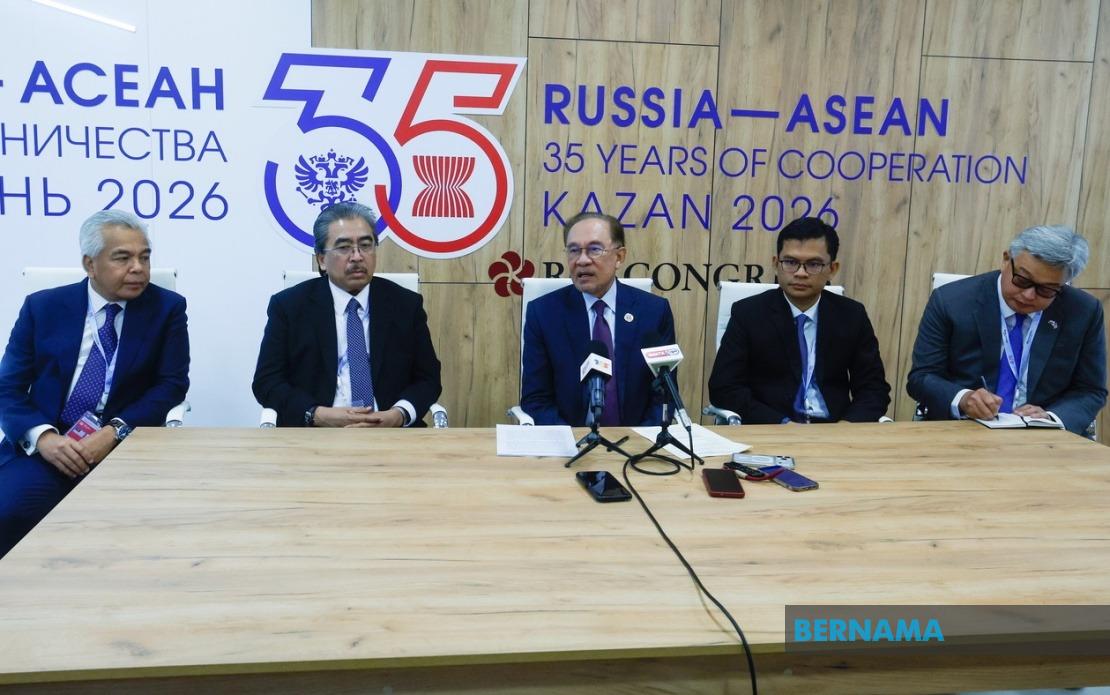
Prime Minister Datuk Seri Anwar Ibrahim has called for the acceleration of visa-free travel arrangements and direct flight services between Malaysia and Russia, arguing that the current tourism flow from the country remains disappointing compared to regional competitors. Speaking after his two-day attendance at the ASEAN-Russia Commemorative Summit in Kazan, Anwar highlighted the stark disparity in visitor numbers despite Malaysia's strategic location and tourism appeal. The premier stressed that bureaucratic delays and procedural obstacles are unnecessarily hindering the development of bilateral tourism ties at a time when Russia represents a significant untapped market for Malaysian hospitality and services.
The comparative statistics underscore the urgency of Anwar's message. Turkey attracts approximately five million Russian tourists annually, while Thailand welcomes around two million visitors from Russia each year. Malaysia, by contrast, receives only 100,000 Russian tourists annually, a figure that Anwar described as inadequate given the nation's competitive advantages in climate, cultural attractions, and travel infrastructure. This gap suggests fundamental problems with accessibility and procedural frameworks rather than any lack of Russian interest in visiting Southeast Asia. The disparity is particularly striking given that Russia maintains cordial diplomatic relations with Malaysia and both nations share interests in economic cooperation and regional stability.
Anwar identified multiple interconnected barriers impeding the growth of Russian tourism to Malaysia. The absence of direct flight connections between major Russian cities and Malaysian hubs significantly increases travel time and cost for potential visitors. Beyond transportation challenges, payment systems present another substantial obstacle. Russian travellers frequently encounter difficulties with international payment mechanisms, particularly given various sanctions-related restrictions that have made financial transactions between Russia and certain countries more cumbersome. Anwar suggested that Malaysia has been overly cautious in addressing these technical barriers, fearing negative reactions from other nations rather than prioritising its own economic interests and tourism development.
The prime minister's comments reveal a broader frustration with what he characterises as outdated thinking within Malaysian government structures. Anwar argued that reliance on legacy procedures and excessive deference to external political pressures has constrained Malaysia's ability to compete effectively for international tourism markets. His remarks suggest an administration willing to challenge conventional approaches and recalibrate policy priorities toward economic gain rather than diplomatic circumspection. This stance reflects the pragmatic business-oriented framework that Anwar has consistently championed since taking office, emphasising that nations must act in their genuine self-interest rather than being constrained by perceived international expectations.
The situation with Russia parallels challenges Malaysia faces with other nations under international scrutiny, including Iran. Anwar specifically noted that similar restrictions and hesitations affecting Russian tourist arrivals also impact Iranian visitors, suggesting a systemic issue with how Malaysia approaches bilateral relationships with countries facing geopolitical complications. His argument implies that Malaysia has allowed external pressures to dictate its own bilateral policies in ways that disadvantage its economy. By drawing this parallel, Anwar signalled that addressing visa and payment barriers with Russia should be part of a broader recalibration of Malaysia's approach to international commerce and tourism, rather than an isolated policy shift.
The timing of these remarks carries significance beyond immediate tourism concerns. The ASEAN-Russia Commemorative Summit represents an important moment for Malaysia and other Southeast Asian nations to reassess their strategic relationships with Moscow amid evolving global geopolitical dynamics. By publicly advocating for closer tourism ties, Anwar is positioning Malaysia as a nation willing to develop practical, mutually beneficial relationships with Russia despite international complexities. This approach reflects Malaysia's traditional non-aligned foreign policy stance and its emphasis on maintaining diverse international partnerships regardless of great power tensions.
Direct flight implementation would require coordination between Malaysian and Russian aviation authorities, plus commercial arrangements with airlines operating on both sides. Such connections would dramatically improve accessibility for Russian tourists while also opening opportunities for Malaysian visitors to explore Russia. The visa-free or simplified visa arrangements Anwar mentioned would require legislative adjustments and new bilateral agreements, processes that typically demand sustained political commitment and administrative coordination. These practical considerations explain why such arrangements have not yet materialised despite years of diplomatic relations between the countries.
From an economic perspective, substantially increasing Russian tourist arrivals would generate significant revenue across Malaysia's hospitality, retail, entertainment, and transportation sectors. Russian tourists typically spend at above-average rates compared to many source markets, making them particularly valuable for Malaysia's tourism industry recovery post-pandemic. The multiplier effects of increased Russian tourism would benefit not only hotel and airline operators but also local communities, artisans, and small business owners throughout Malaysian tourist destinations. Enhanced tourism flows could also strengthen commercial ties more broadly, creating opportunities for investment and trade partnerships beyond the tourism sector itself.
Anwar's public campaign for these arrangements also signals to Malaysian stakeholders, including business communities and tourism boards, that the government recognises the value of Russian markets and intends to pursue policies facilitating access. This messaging effect can encourage private sector actors to prepare infrastructure and services for anticipated Russian visitor growth. Airlines may become more willing to explore direct route establishment if government removes regulatory barriers, while hotels and tourism operators can tailor marketing campaigns toward Russian demographics with confidence that official policy supports expansion in this market.
The prime minister's comments also reflect broader Southeast Asian challenges in tourism competitiveness. Thailand and Turkey have clearly established their appeal to Russian travellers through sustained marketing, accessible payment systems, and streamlined visa procedures. Malaysia must undertake similar systematic improvements to compete effectively. Anwar's public articulation of these gaps suggests that government recognises deficiencies and intends to address them through coordinated policy action across aviation, immigration, and commercial sectors.
Moving forward, Malaysian tourism authorities should work with relevant government agencies to identify specific procedural bottlenecks and develop concrete timelines for implementing visa-free arrangements and facilitating airline negotiations for direct routes. Russian diplomatic missions can provide valuable guidance on payment system adaptations and visa processing preferences. The apparent political will from Malaysia's prime minister provides an opportunity to move beyond dialogue toward substantive policy implementation that could yield measurable increases in Russian tourism within months rather than years.