Timor-Leste President Jose Ramos-Horta has characterised the diplomatic relationship between his country and Malaysia as exceptionally robust, commending Kuala Lumpur's long-standing commitment to regional stability and governance. Speaking at Taylor's University in Petaling Jaya during a five-day official visit, the Nobel Prize Laureate underscored Malaysia's pivotal role in supporting Timor-Leste's development trajectory, particularly through its peacekeeping contributions in 1999 and sustained engagement thereafter.
Ramos-Horta's remarks carry weight given his distinguished background as both a human rights advocate and former journalist who witnessed Timor-Leste's turbulent transition to nationhood. His assessment extends beyond mere diplomatic pleasantries, reflecting a substantive appreciation for Malaysia's consistency in regional engagement over four decades. The president specifically highlighted how the nation has maintained its trajectory of development while strengthening its international standing, attributes he directly linked to the leadership approach adopted by Prime Minister Datuk Seri Anwar Ibrahim in recent years.
The timing of Ramos-Horta's visit underscores the deepening institutional connections between the two nations. His presence at Taylor's University to conduct a dialogue session with students on the theme "A Changing World, Enduring Values" demonstrates the educational and intellectual dimensions of the bilateral relationship. Such engagements signal mutual recognition of shared challenges in maintaining democratic values and institutional integrity amid evolving regional dynamics.
A particularly significant dimension of the visit involves Ramos-Horta's expression of gratitude toward Malaysia's instrumental role in facilitating Timor-Leste's accession to ASEAN. When Timor-Leste officially became the bloc's 11th member on October 26, 2025, it marked the regional organisation's first expansion in 26 years—a milestone that would not have materialised without backing from established member states, particularly during Malaysia's 2024 chairmanship. This achievement represents a culmination of diplomatic efforts that positioned Timor-Leste as a full participant in Southeast Asian affairs rather than remaining on its periphery.
Looking forward, Ramos-Horta articulated confidence in Timor-Leste's capacity to host the ASEAN summit in 2029, a responsibility that carries substantial diplomatic and logistical implications for the nation. His optimism regarding infrastructure readiness reflects the administration's commitment to leveraging this opportunity for national development. The president's statement that "we can do it" projects determination despite the acknowledged challenges of constructing requisite facilities within the specified timeframe, suggesting that international support, including from Malaysia, remains integral to realising this objective.
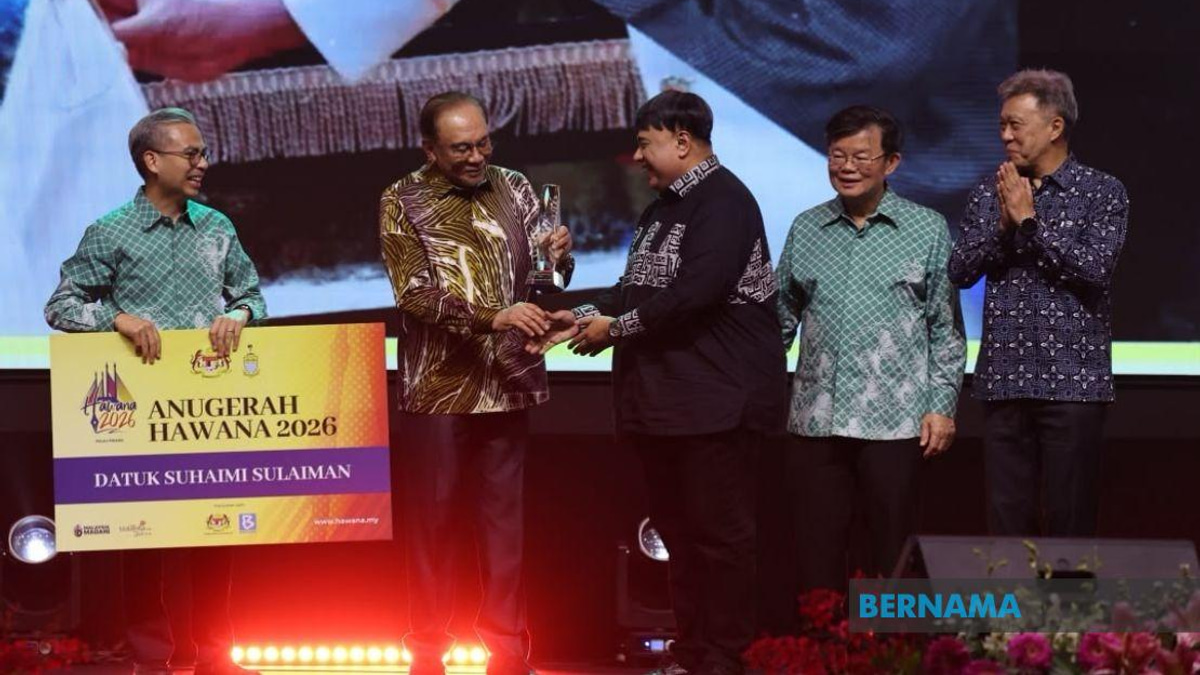
The president's message to Malaysian journalists, timed with the National Journalists' Day (HAWANA) 2026 celebration in Penang, emphasised the indispensable role of media institutions in fostering informed citizenry. Ramos-Horta's recognition that only well-informed societies can achieve cohesion and effectively address contemporary challenges reflects a broader Southeast Asian consensus on press freedom's relationship to democratic governance. His congratulations to Malaysian journalists implicitly acknowledge the nation's comparative institutional strength in this domain, a factor that distinguishes Malaysia within the regional context.
The broader context of this visit illuminates how smaller ASEAN members like Timor-Leste perceive Malaysia's positioning within the bloc. Rather than viewing larger neighbours as threatening competitors, Ramos-Horta's characterisation suggests respect for Malaysia's maturity as a democratic institution and its willingness to facilitate collective regional progress. This perception contrasts with occasional tensions in Southeast Asian diplomacy and reflects a pragmatic recognition that institutional stability and collaborative leadership benefit all member states.
Malaysia's support trajectory toward Timor-Leste extends beyond the high-profile moments of ASEAN integration. The historical commitment dating to the 1999 peacekeeping operations established a foundation of trust that subsequent governments have maintained and built upon. This continuity demonstrates how Malaysia navigates its regional responsibilities while managing its own domestic priorities, projecting soft power through institutional consistency rather than assertive diplomacy.
The implications for Malaysia extend beyond bilateral relations. Ramos-Horta's public commendation enhances Malaysia's standing as a responsible ASEAN actor committed to regional integration and stability. In an environment where great power competition occasionally pressures Southeast Asian nations to choose geopolitical alignments, Malaysia's reputation as an honest broker facilitating inclusion and development carries strategic value. The support for Timor-Leste's ASEAN membership and the broader assistance with infrastructure development reinforce this positioning.
Timor-Leste's preparation for the 2029 ASEAN summit also presents opportunities for Malaysia to deepen its role as a mentor and partner in capacity building. Malaysian expertise in hosting international forums, managing complex diplomatic protocols, and coordinating among diverse ASEAN members can prove invaluable to Timor-Leste's preparations. Such collaboration would strengthen bilateral ties while ensuring the summit's success, reflecting the mutual interests that characterise mature regional relationships.
The emphasis on enduring values amid global change, the central theme of Ramos-Horta's university dialogue, resonates particularly with Malaysian audiences navigating their own transitions. Both nations grapple with balancing modernisation and traditional social frameworks, managing religious and ethnic diversity, and adapting democratic institutions to contemporary challenges. Ramos-Horta's academic engagement suggests a recognition that these conversations benefit from cross-border dialogue and intellectual exchange.
Ramos-Horta's characterisation of Malaysia-Timor-Leste ties as exceptionally good reflects both the tangible achievements of bilateral cooperation and the softer elements of respect and mutual appreciation. For Malaysian policymakers, such external validation of the nation's regional role reinforces confidence in collaborative engagement strategies. For Timor-Leste, Malaysia's continued support provides reassurance as the nation navigates its complex position as Southeast Asia's youngest and most vulnerable ASEAN member, still consolidating its institutional foundations while pursuing ambitious development goals.