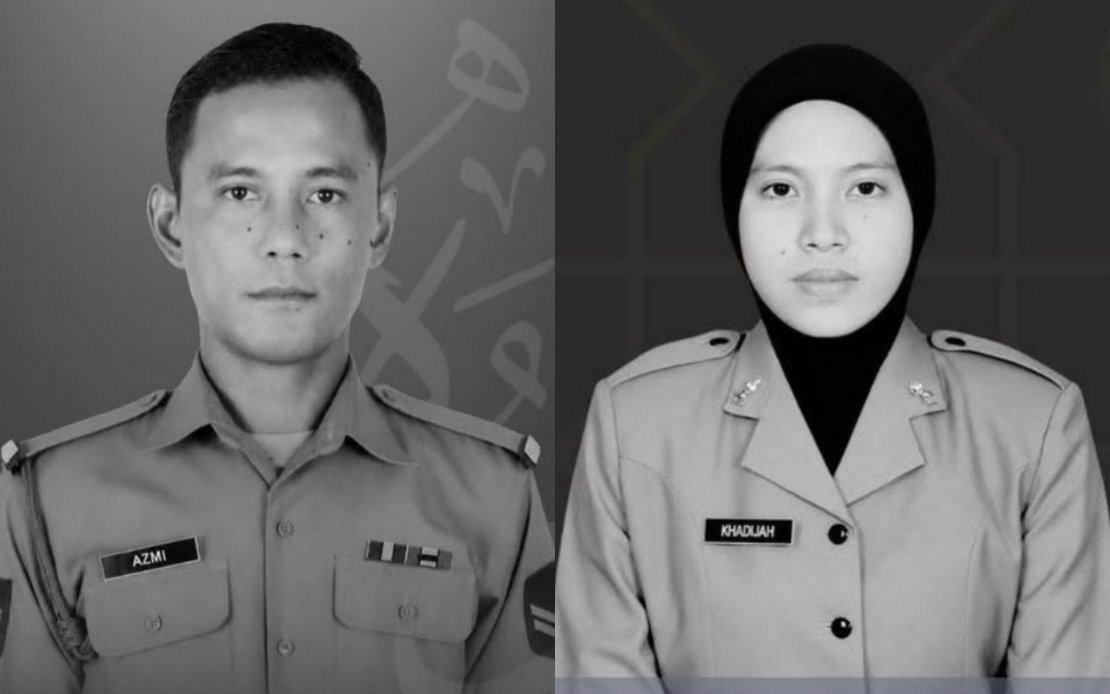
A fatal training accident has claimed the lives of two Malaysian Army personnel at a military shooting range in Kedah, prompting an immediate investigation into safety protocols. The incident occurred during a grenade-throwing exercise at Hobart Camp in Gurun early on June 16, when an explosion erupted without warning. The Army subsequently confirmed the identities of the two deceased soldiers as Corporal Norazmi Abu Bakar and Private Siti Khadijah Sungip, both of whom sustained catastrophic injuries in the blast.
Corporal Abu Bakar was serving with the 6th Battalion, Royal Malay Regiment, whilst Private Sungip belonged to the 1st Squadron, Royal Army Engineers Regiment. The explosion occurred at 10.57 am as the soldiers participated in RAJD Combat Enhancement Training, a programme conducted under the 2nd Infantry Division. Both personnel succumbed to their wounds whilst en route to Sultan Abdul Halim Hospital in Sungai Petani, signalling the severity of the injuries sustained in the accident. The remains were subsequently transferred to Sultanah Bahiyah Hospital in Alor Setar for post-mortem examination to determine the precise cause of death.
General Tan Sri Azhan Md Othman, the Malaysian Army Chief, has initiated a comprehensive and urgent investigation into the circumstances surrounding the tragedy. The commander expressed profound sorrow at the loss of the two personnel and extended heartfelt condolences to their families during this period of grief. In his statement, General Azhan emphasised the importance of resilience for the bereaved families whilst acknowledging the gravity of the incident for the military institution and the nation as a whole.
Training accidents involving explosives represent a persistent hazard within military establishments worldwide, and such incidents underscore the inherent risks faced by personnel engaged in combat readiness exercises. Grenade-throwing drills form a fundamental component of infantryman training, requiring soldiers to handle volatile devices with precision and adherence to stringent safety procedures. The circumstances of this particular incident—whether attributable to equipment malfunction, procedural deviation, or human error—will become clearer once the investigation concludes.
The Malaysian armed forces, like defence institutions across Southeast Asia, maintain ongoing programmes designed to enhance operational capability amongst personnel. These training regimens are essential for ensuring that soldiers possess the tactical proficiency and physical conditioning necessary for deployment in challenging environments. However, such intensive programmes demand rigorous safety oversight to minimise the risk of casualties during routine exercises. The accident at Hobart Camp highlights the tension between maintaining operational readiness and protecting military personnel from unnecessary hazard exposure.
The Army has committed to a comprehensive review of all training safety protocols in the aftermath of the incident. This undertaking reflects a broader institutional commitment to preventing similar tragedies and ensuring that lessons learned from this accident are systematically integrated into future training methodologies. Safety reviews following military accidents typically examine equipment specifications, instructor qualifications, procedural compliance, environmental factors, and individual performance during the moments preceding an incident.
For Malaysia's military personnel and their families, such incidents carry profound implications beyond the immediate loss of life. Soldiers and their dependents accept inherent occupational risks, yet the institutional responsibility to minimise preventable accidents remains paramount. The identification and investigation of root causes in training accidents serve not only to honour those who have perished but also to strengthen safety culture throughout the armed forces.
The tragedy also underscores the particular vulnerabilities of personnel engaged in technical military training. Explosive handling represents one of the most hazardous dimensions of military service, requiring continuous vigilance, appropriate equipment maintenance, and unwavering adherence to established safety protocols. Any deviation from prescribed procedures or equipment degradation can transform a routine training exercise into a catastrophic event within seconds.
As the investigation into the Gurun incident proceeds, the Malaysian military institution will undoubtedly examine whether this tragedy reflects isolated circumstances or whether systemic issues require institutional remediation. The findings will inform not only internal policy adjustments but potentially influence how neighbouring Southeast Asian military establishments approach similar training activities. Transparency regarding investigation findings and subsequent preventive measures will be crucial in maintaining public confidence in the armed forces' commitment to personnel welfare and operational integrity.