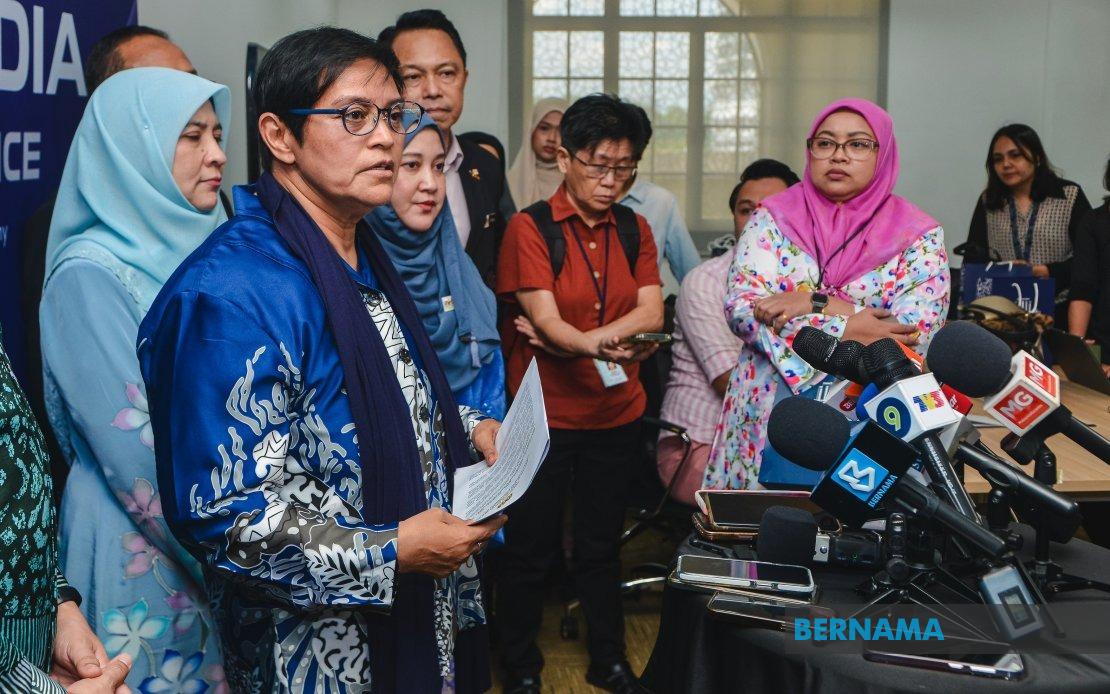
Malaysia has introduced a landmark legislative approach to tackling bullying through the Anti-Bullying Act 2026, fundamentally reshaping how accountability for such misconduct is assigned within families. Minister in the Prime Minister's Department (Law and Institutional Reform) Datuk Seri Azalina Othman Said announced that the legislation introduces parental joint liability, a departure from conventional criminal law that typically focuses accountability solely on the perpetrator. This innovative framework recognises bullying as a family matter requiring collective responsibility, with parents potentially facing legal consequences and financial penalties for acts committed by their children.
The shared responsibility model represents a significant evolution in Malaysia's approach to youth misconduct. Rather than treating bullying as an isolated individual transgression, the Act places parents on equal footing with young offenders regarding liability. This means that when a minor is found culpable of bullying, the financial burden of fines and associated penalties becomes a family obligation rather than residing with the child alone. Azalina explained that this mechanism deliberately extends beyond the young perpetrator, binding family members to comply with monetary judgements and other court-ordered measures, fundamentally altering how bullying cases are resolved within the Malaysian legal system.
The timing of this legislation reflects genuine concerns about escalating bullying incidents across Malaysian schools and communities. Azalina cited alarming statistics regarding the prevalence and severity of bullying cases, notably instances that have resulted in fatalities. These tragic outcomes underscore the pressing need for robust preventative measures and expedited justice mechanisms. By introducing stricter accountability measures and shifting liability to parents, policymakers aim to incentivise closer parental monitoring and intervention in children's conduct, with the expectation that parents will exercise greater oversight to avoid legal exposure. The legislation thus attempts to address bullying through a three-pronged strategy encompassing deterrence, family engagement, and victim protection.
Supporting this legislative framework, Malaysia has established a dedicated Anti-Bullying Tribunal to handle cases with specialised expertise. The tribunal comprises 56 appointed members drawn from legal professionals and specialists with backgrounds in child welfare, psychology, and related disciplines. This expert composition ensures that cases are adjudicated by individuals familiar with the complexities of youth behaviour and the psychological impacts of bullying on victims. Rather than routing all cases through conventional courts, which may lack this specialised knowledge, the tribunal provides a forum specifically designed to address bullying matters with appropriate sensitivity and understanding of developmental contexts.
The tribunal's headquarters, inaugurated at the Asian International Arbitration Centre (AIAC) in Kuala Lumpur, serves as an administrative hub for case management and coordination. However, the tribunal operates a decentralised model enabling proceedings to occur throughout Malaysia, ensuring geographical accessibility for complainants and respondents. Hearings may take place in schools, Legal Aid Department offices, or online platforms, recognising that many bullying incidents originate in educational settings and that virtual proceedings can accommodate those unable to travel to physical locations. This flexibility demonstrates an understanding that effective justice mechanisms must be geographically inclusive and accommodate the diverse circumstances of Malaysian communities.
To enhance nationwide access, the tribunal has established six distinct physical and virtual hearing zones that leverage existing government infrastructure. Rather than constructing new facilities, the initiative optimises resources already available through the Legal Affairs Division (BHEUU), the Insolvency Department, the Legal Aid Bureau, and unused courtrooms. This pragmatic approach maximises efficiency while reducing implementation costs. The availability of online hearing capabilities particularly benefits individuals in rural or remote areas where geographic distance might otherwise impede access to justice. By combining physical and virtual options, the tribunal ensures that bullying victims and their families need not overcome logistical barriers to seek remedies.
A notable feature of the Anti-Bullying Act 2026 is the expansion of victims' rights regarding case initiation. Previously, incidents occurring outside formal institutional settings might require navigation through school management or hostel administration before reaching formal adjudication. Under the new framework, victims possess the independent right to bring cases directly before the tribunal for incidents occurring outside schools or residential facilities. This provision eliminates intermediaries and potential gatekeeping, ensuring that bullying occurring in community spaces, on public transport, or through online platforms can be addressed directly without institutional bureaucratic processes. The change acknowledges that significant bullying occurs beyond school premises and that victims should not depend on institutional cooperation to access justice.
To facilitate case registration and lower barriers to complaint submission, the tribunal has implemented a public online portal. This digital platform allows individuals to document and lodge complaints without requiring physical attendance at government offices or legal representation. The portal represents a modernisation of access mechanisms, recognising that digital interfaces can encourage reporting, particularly among younger individuals who may feel intimidated by traditional bureaucratic processes. The ease of electronic submission potentially increases complaint volumes, enabling the tribunal to identify systemic patterns of bullying and intervene accordingly. Online registration also creates permanent records of complaints, supporting both case tracking and statistical analysis of bullying prevalence.
Azalina emphasised that a central objective underlying the Anti-Bullying Act 2026 is public awareness raising, particularly among children and young people. Through tribunal establishment and visibility, the government seeks to communicate that bullying carries serious legal consequences and should not be regarded as trivial youthful misbehaviour. This messaging is intended to deter potential offenders through awareness of accountability mechanisms while simultaneously signalling to victims that institutional pathways exist for seeking redress. The tribunal thus serves a dual function as both a justice mechanism and an educational institution, using its operations and publicised cases to reshape social attitudes toward bullying behaviour.
The introduction of parental joint liability in Malaysia's Anti-Bullying Act 2026 carries significant implications for family dynamics and parental decision-making regarding children's socialisation and behaviour management. Parents now face direct legal exposure for their children's bullying conduct, creating incentives for closer monitoring and more active intervention in peer relationships and online interactions. This approach assumes that parents possess awareness and capacity to prevent bullying, which may not always align with reality, particularly in economically disadvantaged households where parents juggle multiple employment obligations. Critics might argue that joint liability without accompanying support services could unfairly burden families already struggling with resource constraints.
For Malaysian schools and institutions, the tribunal's establishment creates parallel justice channels distinct from traditional disciplinary procedures. Schools will need to develop policies clarifying when incidents should be referred to the tribunal versus handled internally through existing discipline mechanisms. This potentially creates coordination challenges, as educators must identify cases meeting tribunal thresholds while continuing standard misconduct investigations. The tribunal's nationwide presence may also shift expectations regarding bullying response times, as institutions must determine whether tribunal involvement accelerates or delays outcomes for affected students. Educational leaders will require training regarding tribunal procedures and obligations to ensure compliance.
Regionally, Malaysia's Anti-Bullying Act 2026 may establish a precedent for Southeast Asian approaches to youth misconduct and family-based accountability. As neighbouring countries grapple with rising bullying incidents and their psychological impacts on young populations, Malaysia's legislative innovation offers a model combining specialised tribunals, parental liability, and accessible justice mechanisms. Whether this approach effectively reduces bullying prevalence, protects victims, and avoids unintended consequences for families will likely inform other nations' policy development. The tribunal's operation over coming months will generate evidence regarding whether joint liability structures successfully deter misconduct or create perverse incentives and implementation challenges.