Malaysia's Fire Department (JBPM) has documented a troubling trend in residential fire incidents, revealing that unsafe charging practices for electronic devices have destroyed approximately RM14.2 million worth of property across the nation over the past three years. The problem spans 59 separate cases distributed across ten states, with no fatalities recorded during the period despite the substantial financial toll on affected families and communities.
The geographic distribution of these incidents tells a revealing story about fire risks in Malaysia's residential areas. Sarawak emerges as the most affected state, suffering approximately RM9.7 million in losses from just eleven fire cases—representing nearly 69 percent of the national total and underscoring the severity of the problem in East Malaysia. Kelantan follows with RM1.14 million in damages from seventeen incidents, while Sabah recorded three cases resulting in RM806,800 in losses. The concentration of losses in Sarawak, despite having fewer cases than Kelantan, suggests that individual incidents in the state have been particularly destructive.
The remaining seven states account for a comparatively smaller share of documented losses but remain significant areas of concern. Selangor, despite being the nation's most densely populated state, recorded five incidents totalling RM661,040 in damages. Penang experienced nine cases with RM537,125 in losses, while Johor reported two incidents resulting in RM470,000 in property destruction. Putrajaya registered one case with RM387,000 in damages, Melaka recorded four incidents totalling RM214,810, Terengganu documented two cases with RM175,000 in losses, and Perak identified five incidents resulting in RM95,750 in damages. Notably, Kedah, Negri Sembilan, Pahang, Perlis, Kuala Lumpur, and Labuan recorded no documented cases during this period.
The fire department emphasises that investigating each incident demands careful analysis rather than simplistic assessment based solely on financial loss or fire size. Investigators must navigate unique challenges specific to each case, requiring meticulous and systematic approaches adapted to the particular circumstances. Variables including the fire's physical location, the specific type of device that ignited, the degree of evidence preservation or destruction, hazards present at the scene, and the technical specifications requiring specialist analysis all influence investigation complexity and duration.
Paradoxically, JBPM notes that the most technically demanding investigations frequently involve smaller fires that require extensive laboratory analysis and rigorous forensic methodology to establish definitive causation. These cases demand the ability to extract accurate conclusions from minimal physical evidence that may be severely damaged, partially destroyed, or entirely consumed by fire. The investigative burden in such scenarios often exceeds that of larger, more visually dramatic incidents where evidence remains more readily apparent.
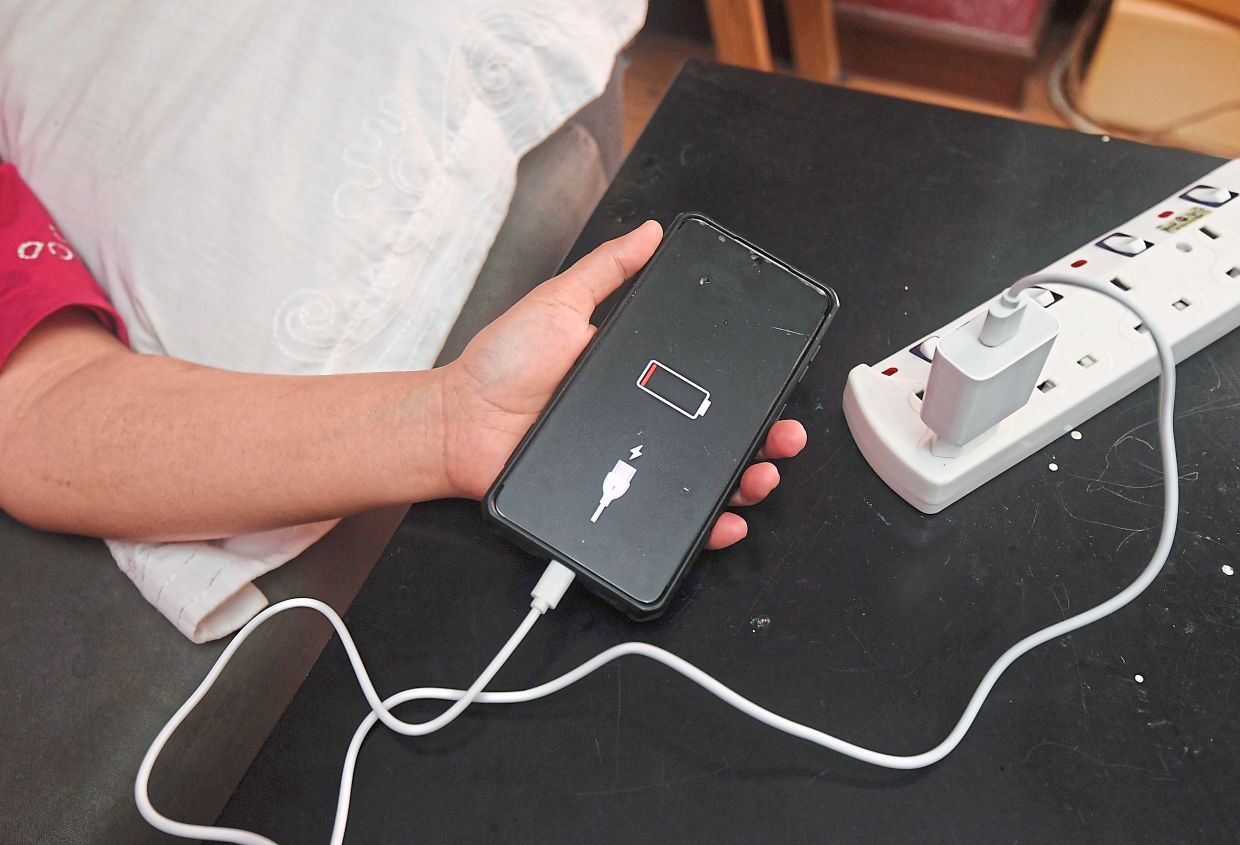
Through careful examination of fire scenes and debris analysis, JBPM has identified a consistent pattern of preventable human behaviours that precipitate device-charging fires. Residents frequently leave smartphones, tablets, and laptops charging unattended overnight, a practice that eliminates any possibility of detecting and responding to early warning signs of malfunction. The use of uncertified chargers and low-quality replacement cables represents another major risk factor, as does the widespread habit of charging devices on soft furnishings such as mattresses, pillows, upholstered sofas, and blankets that can easily ignite when exposed to heat.
Additional dangerous practices compound these risks further. Many households overload power strips with multiple high-draw devices simultaneously, creating conditions for electrical overload and heat generation. Perhaps most concerning, users continue operating devices showing visible signs of battery or electrical degradation—swollen battery casings, excessive heat emission, unusual burning odours, or damaged charging cables—conditions that substantially elevate fire probability. These warning signs represent critical opportunities for intervention that many users either fail to recognise or deliberately ignore.
The root cause underlying these persistent unsafe behaviours appears to be economic rather than informational. JBPM observes that many Malaysian consumers continue prioritising lower purchase prices over genuine safety standards and product quality assurance. This cost-conscious approach leads to widespread adoption of substandard chargers, counterfeit cables, and unverified electrical accessories that fail to meet established safety specifications. Such equipment frequently overheats during operation, experiences internal short circuits, or fails catastrophically in ways that generate flames and ignition sources within the home environment.
The fire department attributes incomplete public awareness about device-charging hazards as a persistent challenge undermining prevention efforts. Despite documented losses and media coverage, significant portions of Malaysia's population remain inadequately educated about the specific fire risks associated with modern electronic devices and their power supplies. This awareness gap directly translates into continued adoption of unsafe practices, as users lack the knowledge necessary to recognise and avoid dangerous situations.
To address this escalating problem, JBPM has implemented a multipronged prevention strategy emphasising product safety certification and consumer education. The department strongly recommends that all Malaysian consumers exclusively use charging equipment bearing SIRIM certification marks or other recognised international safety approvals, ensuring that products have undergone rigorous testing against established safety standards. Users should avoid placing charging devices on soft surfaces where generated heat cannot dissipate safely, and should immediately replace any damaged sockets, cables, adaptors, or chargers rather than continuing to use compromised equipment.
Moving forward, JBPM commits to sustained public education initiatives targeting fire safety awareness, launching preventive outreach campaigns, and establishing strategic partnerships with relevant government agencies and industry stakeholders. These efforts aim to cultivate a cultural shift toward safety-conscious consumer behaviour regarding device charging practices. For Malaysian households, the message is straightforward: the cost savings from purchasing cheap chargers and cables pale in comparison to potential losses from property destruction and the physical danger posed by residential fires that could have been entirely preventable through simple precautions and certified products.