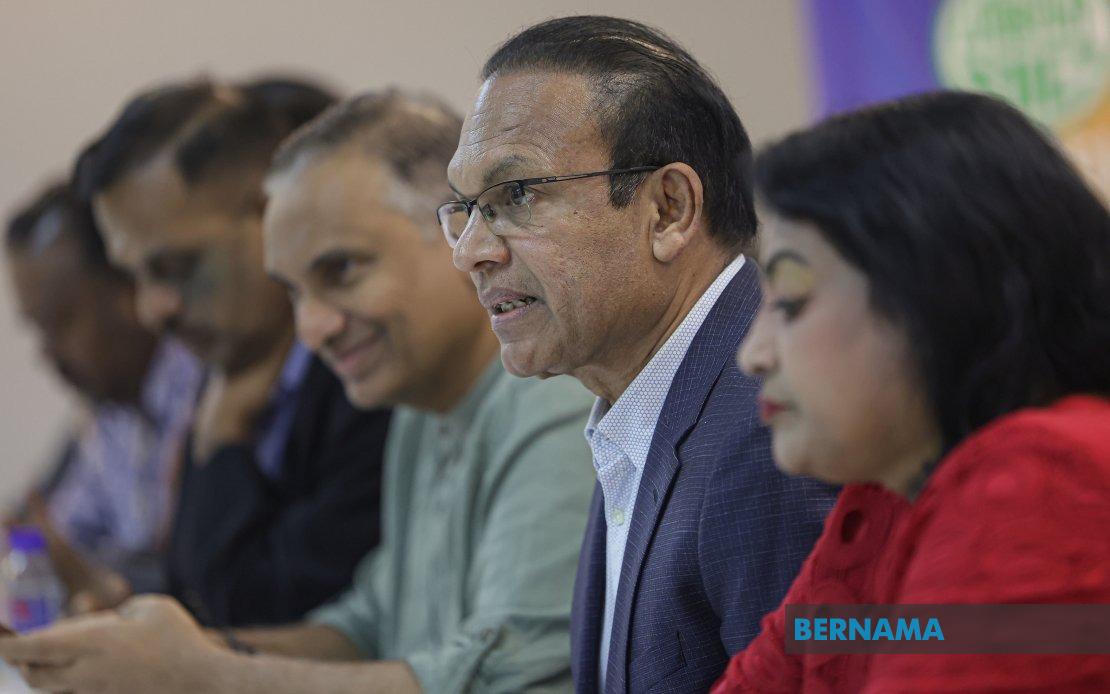
The Malaysian Indian Congress (MIC) is gearing up for the Johor state election with an allocation of four seats, according to party vice-president Datuk T. Murugiah. The announcement came after MIC president Tan Sri SA. Vigneswaran recently concluded discussions with Barisan Nasional component parties on seat distribution for contests in both Johor and Negeri Sembilan, signalling the coalition's final push to secure minority community support in crucial electoral contests.
The four-seat allocation in Johor marks a minor adjustment from the 2022 state election, when MIC successfully won three out of four seats it contested. That previous cycle saw the party capture Kemelah, Kahang and Tenggaroh, while losing Bukit Batu—a result that shaped internal strategies for this election cycle. Party insiders suggest that MIC will likely field candidates in Kemelah, Kahang and Bukit Batu this time around, while trading away the Tenggaroh seat to UMNO in exchange for Perling, demonstrating the intricate seat-sharing negotiations that characterise BN's internal coalition dynamics.
Meanwhile, negotiations regarding MIC's participation in Negeri Sembilan remain unresolved, with party officials indicating that the final seat count for that state has not yet been determined. The uncertainty reflects ongoing deliberations among BN's multiple component parties as they seek to balance representation and electoral viability across several state contests occurring within a compressed timeframe. Party officials emphasised that preparation activities are progressing steadily despite the ongoing negotiations.
To maximise its electoral reach, MIC has embarked on an intensive speaker training programme designed specifically for grassroots mobilisation within Indian communities. The party will conduct a two-day training session in Johor Bahru this weekend for approximately 150 speakers, equipping them with presentation skills and consistent messaging strategies. These trained speakers will subsequently be deployed across all 56 state constituencies that Barisan Nasional intends to contest, enabling the coalition to deliver tailored appeals to Indian voters who often hold significant influence in mixed constituencies throughout Johor.
The training initiative underscores MIC's recognition that effective campaign communication requires more than simple ballot appeals. By focusing on public speaking competency and message consistency, the party aims to ensure that Indian voters receive accurate, persuasive information about BN's policy positions and development promises. This strategic investment in speaker capacity reflects lessons learned from previous campaigns and demonstrates MIC's commitment to modernising its grassroots organisation.
MIC also signalled its intention to introduce fresh faces into its electoral strategy, with party sources indicating that approximately half of the party's candidates in this Johor election will be newcomers to state-level politics. This generational refresh represents an effort to broaden the party's appeal and signal openness to emerging leadership within the Indian Malaysian community. The emphasis on new candidates may also reflect an attempt to move beyond previous electoral disappointments and create momentum among younger Indian voters.
In Negeri Sembilan, the party is reportedly positioning itself to contest two seats, though final confirmation awaits completion of ongoing negotiations with other BN partners. The Negeri Sembilan contest occurs later than Johor, with polling scheduled for August 1, providing additional time for internal coalition discussions and candidate finalisation. The nomination deadline for Negeri Sembilan candidates falls on July 18, allowing parties a month to confirm their electoral strategies.
Johor's electoral timetable places immediate pressure on all contesting parties. The nomination of candidates will occur on June 27, just eleven days after these organisational announcements, followed by the main polling day on July 11. This compressed schedule requires parties to finalise candidate selections and launch campaign activities almost simultaneously, making the current training and preparation phase critical to overall performance.
Beyond electoral activities, MIC is leveraging its upcoming 80th anniversary celebrations to strengthen community engagement and party cohesion. The party has organised sports competitions across 152 areas nationwide scheduled for this Saturday, featuring football, badminton, bowling, carrom and hiking events. By explicitly inviting participation from people of all races, MIC seeks to position itself as an inclusive political entity while simultaneously building grassroots momentum heading into the state elections.
The party's simultaneous focus on electoral preparation and community engagement demonstrates an attempt to operate on multiple fronts. While leadership works through coalition negotiations and candidate selection, ground-level activities maintain public visibility and keep party machinery energised. This dual approach aims to ensure that when campaign activities commence in earnest, MIC possesses both organisational readiness and community goodwill.
MIC's strategic positioning in this electoral cycle reflects broader coalition dynamics within Barisan Nasional. As a minority-based component party, MIC must balance the need to demonstrate electoral relevance—which justifies its coalition participation—against the reality that non-Malay seats remain limited within BN's broader seat allocation framework. The four-seat allocation in Johor and prospective two seats in Negeri Sembilan represent the party's bargaining power within the coalition architecture.
For Malaysian Indian voters, these elections present an opportunity to influence policy directions across two significant states. MIC's training emphasis on accurate information delivery suggests the party recognises Indian community concerns about development priorities, economic opportunities and representation quality. The outcome in Johor and Negeri Sembilan will provide important indicators regarding minority community support for the BN coalition and may shape political calculations heading into the next federal election cycle.