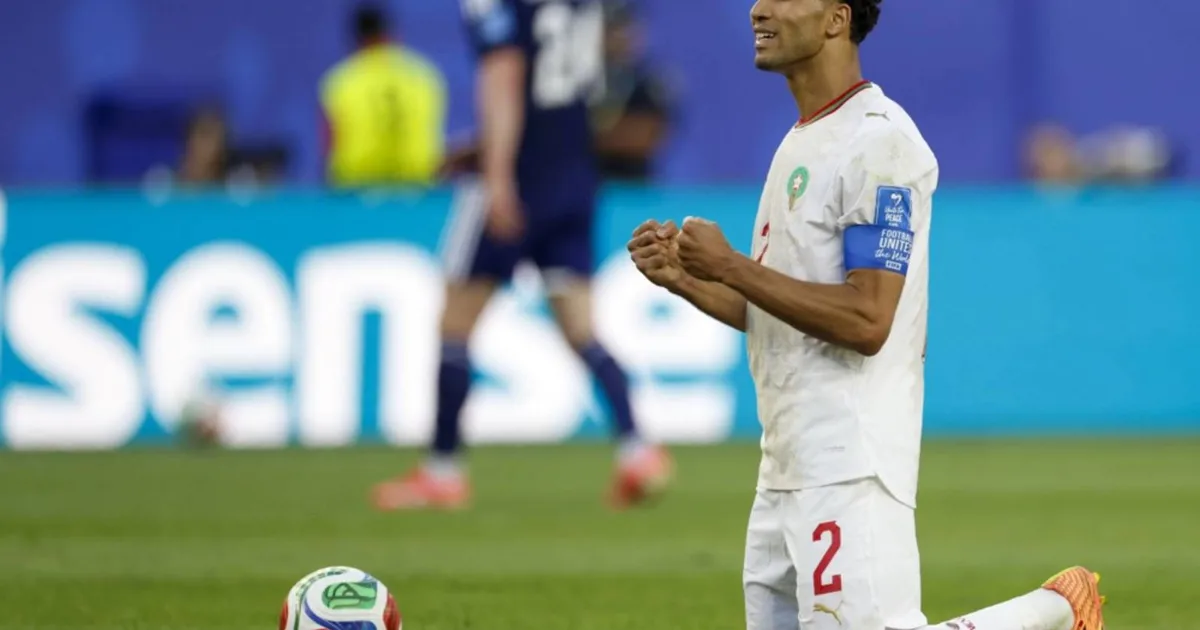
Achraf Hakimi, the Paris Saint-Germain defender and key player for Morocco's international squad, is proceeding with his professional commitments despite ongoing legal proceedings, according to statements made by the national team's World Cup coach. The athlete has categorically denied allegations involving a 24-year-old woman, with the incident in question occurring in the Paris region during 2023.
Hakimi's inclusion in Morocco's squad and his continued participation in team activities underscore the coaching staff's assessment of his mental resilience during this challenging period. The coach's public confidence in the player's psychological state suggests that despite the gravity of the allegations and the stress inherent in navigating legal proceedings, Hakimi has not allowed these external pressures to compromise his professional focus or team participation. This stance represents a significant vote of confidence from the national coaching setup.
The allegations represent a serious matter that extends beyond the football pitch, affecting not only Hakimi's personal life but also his standing within the sport. In recent years, European football has witnessed increased scrutiny of player conduct both on and off the field, with governing bodies and clubs taking more decisive action regarding allegations of misconduct. The case adds to a broader conversation about athlete accountability and the intersection of sporting careers with personal legal troubles.
For PSG, Hakimi's situation presents a dual challenge: maintaining the player's professional performance while managing the reputational implications of having a squad member involved in legal proceedings. The French club has navigated similar circumstances with various players over the years, and their approach to supporting or distancing themselves from Hakimi may set precedents for how elite European clubs handle sensitive matters involving high-profile athletes.
The backdrop of Morocco's World Cup aspirations adds another layer of complexity to Hakimi's situation. As a crucial defensive component of the team's international project, his availability and mental state directly impact the nation's competitive prospects in future tournaments. The coach's assessment that Hakimi remains psychologically balanced suggests confidence that the player can compartmentalise legal proceedings from competitive duties, though such compartmentalisation remains extraordinarily difficult in practice.
From a regional perspective, Moroccan football and broader Arab sports discourse will be watching how this situation develops. Hakimi represents one of Africa's most prominent players on the global stage, and the allegations carry implications for how the region's athletes are perceived internationally. The handling of such cases can influence sponsorship relationships, media narratives, and broader perceptions of football culture in North Africa and the Middle East.
The 2023 incident that forms the basis of the allegations has triggered judicial processes within France's legal system, where assault and sexual conduct allegations are treated with particular seriousness. The timeline and procedural aspects of the case remain within the French courts' jurisdiction, meaning the resolution could extend over an extended period, potentially spanning multiple football seasons and tournament cycles.
Hakimi's composure, as characterised by the Morocco coach, may reflect professional maturity or the quality of legal representation and personal support systems surrounding him. High-profile athletes facing allegations often benefit from experienced legal teams, psychological counselling, and organisational support designed to help them navigate such turbulent periods while maintaining performance levels. Whether these support structures sufficiently insulate Hakimi from psychological distress remains an open question.
The statement from Morocco's coaching staff also carries diplomatic weight, as national football associations must balance supporting their players with maintaining institutional credibility. By publicly affirming Hakimi's steadiness, the coach simultaneously demonstrates loyalty to the player while subtly suggesting that the allegations have not derailed team planning or squad cohesion. This calculated messaging reflects the delicate political and public relations environment surrounding such cases.
For football fans and observers across Southeast Asia and beyond, Hakimi's situation serves as a reminder that even the most talented athletes can face extraordinary personal challenges that test their resilience far beyond competitive contexts. The intersection of elite sport, legal scrutiny, and personal circumstances creates a uniquely demanding environment where professional excellence and personal crisis coexist. How Hakimi manages this duality over coming months will shape perceptions not only of him as a player but of how modern football handles complex ethical and legal terrain.
As the case progresses through French judicial processes and Hakimi continues his career with PSG and the Moroccan national team, the football world will continue observing whether the coach's assessment of his composure proves accurate or whether the mounting pressures eventually affect his performance and participation. The outcome will carry implications for how football addresses athlete conduct, how clubs support players facing legal challenges, and how national teams balance competitive ambitions with broader institutional responsibilities.